Recently Viewed Products

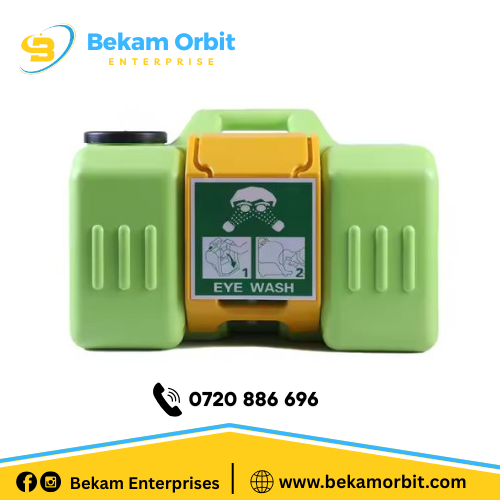
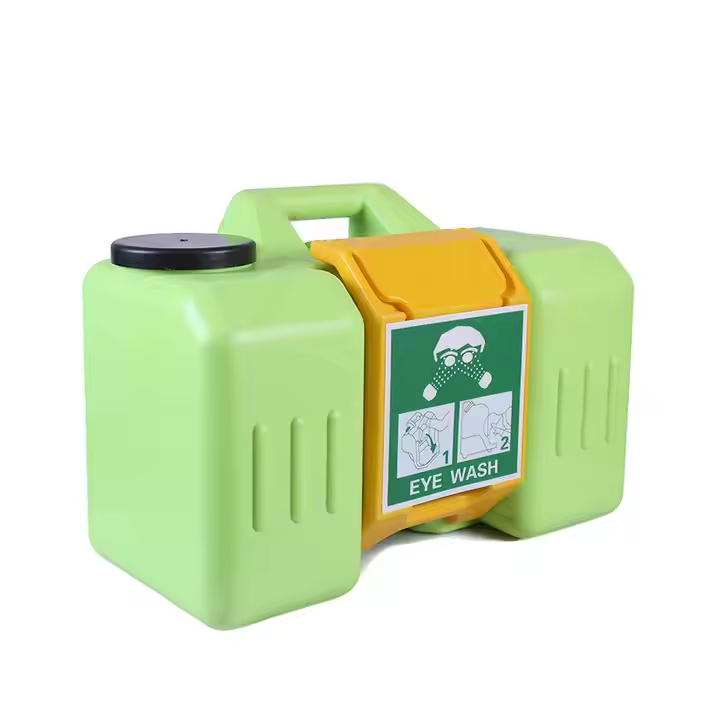
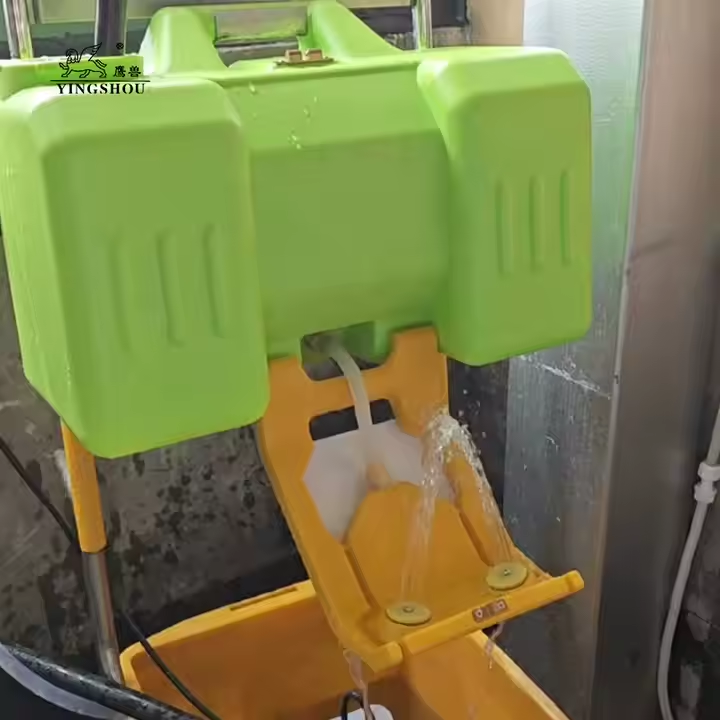
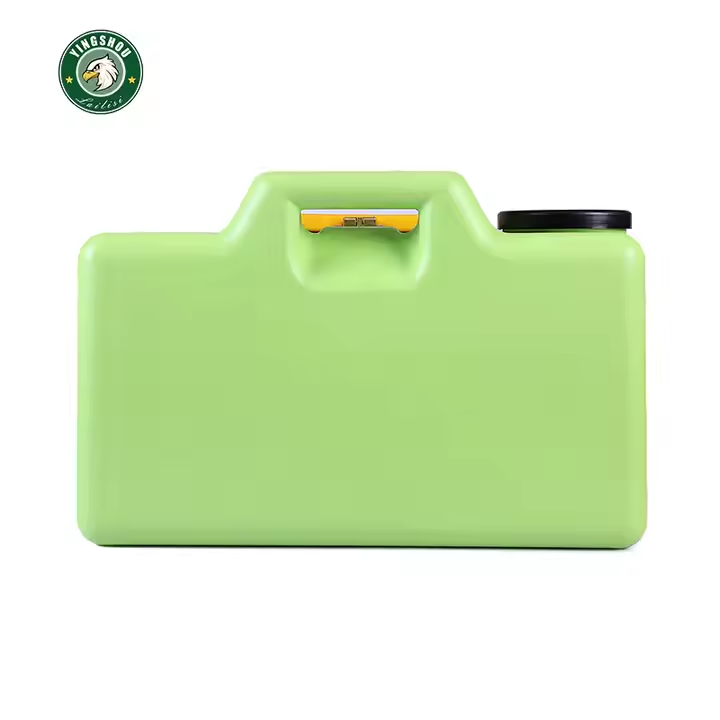
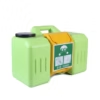
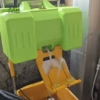
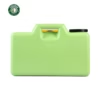
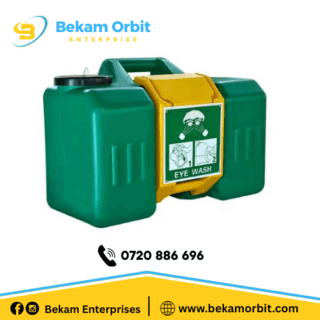
Gravity Flow 9-Gallon Portable Emergency Eyewash Station (ANSI Z358.1)
KShs15,000.00
The Gravity Flow 9 Gallon Portable Emergency Eyewash gives you fast eye flushing anywhere you don’t have plumbing—construction sites, garages, workshops, refineries, and remote projects. Dual spray heads, simple activation, and a self-contained tank designed to support a full emergency response window aligned to ANSI guidance.
Why Gravity Flow 9 Gallon Portable Emergency Eyewash matters on Kenyan worksites
When dust, metal shavings, cement splashes, fuels, solvents, or corrosives hit the eyes, seconds matter. But many real worksites don’t have a sink nearby—or any reliable potable water source at all. This is where a self-contained, gravity-fed eyewash becomes the practical solution: you can mount it near the hazard and be ready for immediate flushing.
Key features of the Gravity Flow 9 Gallon Portable Emergency Eyewash
1) Portable, self-contained design (no plumbing needed)
You get emergency eye flushing even in areas without a fixed water line—perfect for temporary sites, mobile teams, and remote work areas.
2) Mount anywhere for real-world placement
Set it up where your team actually works: wall, shelf, table, or even on a truck tailgate for field operations.
3) Dual spray heads + intuitive activation
The dual nozzles deliver a controlled flushing pattern to both eyes, and activation is designed to be simple during an emergency.
4) 9-gallon tank capacity for emergency flushing time
The 9-gallon capacity supports extended flushing aligned to the widely referenced ANSI/ISEA Z358.1 emergency response window (commonly referenced as 15 minutes).
5) Tepid water guidance (comfort that keeps people flushing)
Standards guidance commonly defines “tepid” flushing fluid as 16–38°C (60–100°F)—important because water that’s too cold or too hot can reduce effective flushing time.
Standards & compliance (ANSI/ISEA Z358.1 + OSHA guidance)
This unit is built for sites that need to align with recognized eyewash expectations:
- OSHA 29 CFR 1910.151(c) requires suitable facilities for quick drenching/flushing where corrosives may be present, and OSHA has long referenced ANSI as the common guidance benchmark in interpretations.
- ANSI/ISEA Z358.1 is the most commonly cited emergency eyewash/shower standard globally (covering accessibility, flushing duration expectations, and tepid water guidance).
Where this eyewash station is ideal to use
- Construction sites (cement dust, debris, grinding/metalwork)
- Garages & auto workshops (brake dust, fluids, battery acid risk)
- Refineries, oil & gas, industrial maintenance
- Warehouses handling chemicals, cleaning agents, or corrosives
- Farm chemical mixing/handling points
- Temporary sites, remote projects, mobile teams (no plumbing)
Setup, placement & maintenance tips for Gravity Flow 9 Gallon Portable Emergency Eyewash
- Place it close to the hazard so it’s reachable immediately (don’t hide it in a store). ANSI guidance often stresses quick access/visibility.
- Use potable water and keep the tank sealed/clean.
- Inspect weekly (visual checks) and follow the manufacturer’s maintenance instructions—this is especially important for self-contained units.
- Train staff on where it is and how to activate it fast (don’t wait for an incident).
Specifications (Quick View) for Gravity Flow 9 Gallon Portable Emergency Eyewash
| Spec | Details |
|---|---|
| Product type | Portable, self-contained emergency eyewash |
| Capacity | 9 gallons (approx. 34L) |
| Operation | Gravity flow |
| Spray heads | Dual spray heads |
| Mounting | Wall, shelf, table, mobile setup (e.g., truck tailgate) |
| Plumbing required | No |
| Standards reference | Supports ANSI/ISEA Z358.1 & OSHA eyewash guidance |
| Tepid water guidance | 60–100°F (16–38°C) definition commonly referenced |
FAQs
1) Is this the same as a plumbed eyewash station?
No—this is self-contained and portable, designed for areas without plumbing, while still supporting recognized eyewash expectations.
2) How long should an emergency eyewash flush last?
ANSI/ISEA guidance commonly references a 15-minute flushing duration as an emergency first-aid mitigation window for splashes/exposures.
3) What does “tepid water” mean for eyewash stations?
“Tepid” is commonly defined as 60–100°F (16–38°C) in ANSI-aligned guidance to support effective flushing.
4) Where should I mount the unit?
Mount it near the hazard, clearly visible, and easy to access—don’t place it behind locked doors or blocked storage.
5) How do we maintain a portable eyewash station?
Do weekly visual checks, keep the water clean, and follow manufacturer instructions—self-contained units can have different care requirements depending on the flushing fluid approach.
- Browse options: Eyewash stations in Nairobi
- Related category: Eye protection equipment in Kenya
- For full decontamination setups: Safety showers in Kenya
- Helpful guide: Eyewash stations in Kenya: types and features
Related products

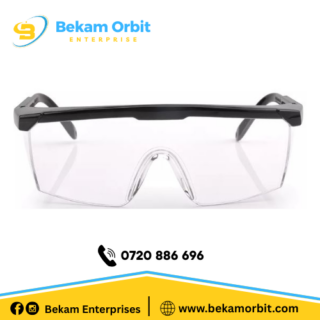
Construction Safety Glasses
KShs250.00Add to cartFeatures of Construction Safety Glasses:
- Material: Polycarbonate (PC) lens and nylon frame
- Lens Coating Options: Standard, anti-scratch, anti-fog
- Safety Standards: CE EN166, ANSI Z87.1, AS/NZS
- Features: Anti-impact, anti-fog, anti-UV, anti-scratch
- Primary Function: Eye protection
- Applications: Laboratory work, painting, hospitals, chemical factories, and more
Eye Protection Safety spectacles
KShs300.00Add to cartEye Protection Safety spectacles have the following features and advantages Component Specification Frame Heavy Duty Polycarbonate (PC) Lens Super Clear PC Lens Legs Length Adjustable PC Legs Standard CE EN 166:2001 Application Construction, Grinding, Metal Cutting, Painting, Workshop, Laboratory, Shooting, Cycling, Car Repair, Landscaping, etc.
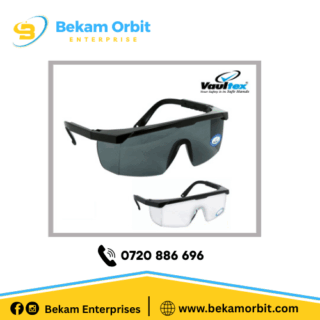
Vaultex Dark Safety Glasses
KShs300.00Add to cartVaultex Dark Safety Glasses – UV & Impact-Resistant Eye Protection in Kenya
Vaultex Dark Safety Glasses offer durable, impact-resistant eye protection with 99.9% UV filtering and anti-scratch lenses. Ideal for construction, outdoor work, and industrial use in Kenya, these ergonomic safety spectacles feature a wraparound design with adjustable temples for all-day comfort. ANSI Z87.1 and EN166 certified, they deliver premium safety at an affordable price.
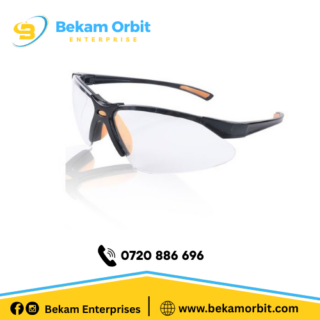
Clear Anti-Fog Safety Glasses
KShs300.00Add to cartFeatures
- Material: Polycarbonate lens with nylon frame
- Lens Coatings Available: Standard lens, anti-scratch, anti-fog
- Lens Color: Clear
- Standards: CE EN166, ANSI Z87.1
- Features: Impact-resistant, anti-fog, UV protection, scratch-resistant
- Function: Eye protection
- Applications: Laboratories, painting, hospitals, chemical factories, and more

Product Gallery
Featured Products
-
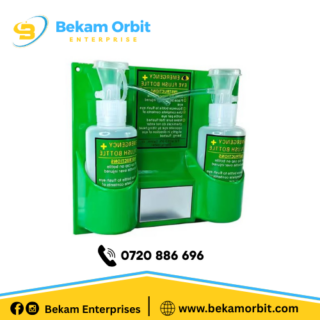
wall-mounted with 1000 ml bottles emergency eye wash station
KShs9,000.00
-
9-Gallon Gravity-Flow Portable Eye Wash Station
KShs17,000.00
-
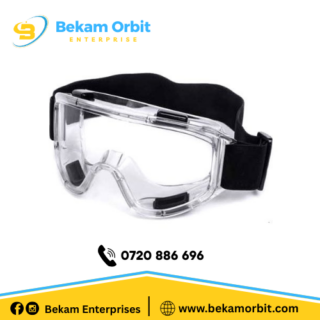
Lab Safety Goggles
KShs400.00
-
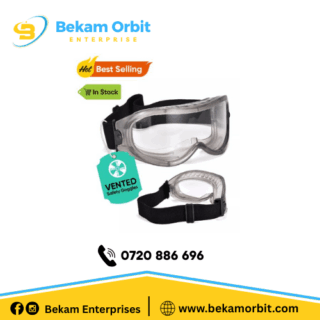
Over Glasses Safety Goggles
KShs700.00
-
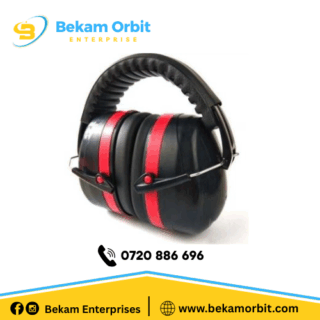
Safety Noise Cancelling Earmuffs
KShs1,300.00
-
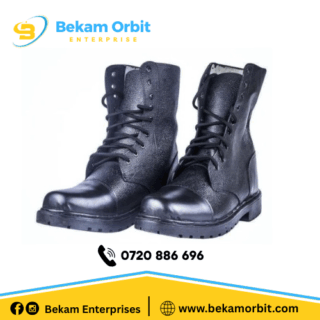
Askari Security Boots
KShs1,800.00
-
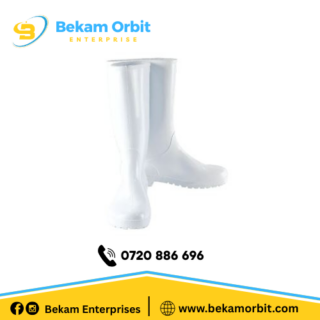
White light duty gumboots
KShs800.00
-
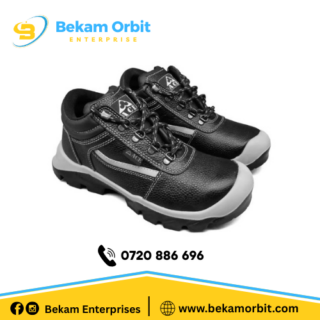
Ace Duma Safety Shoes
KShs3,100.00