Cut Resistant Glove Levels: Comparing ANSI and EN 388 Ratings
When it comes to hand protection in industries like construction, metal fabrication, and glass handling, selecting the proper cut resistant gloves can mean the difference between safety and serious injury. In Kenya’s dynamic industrial sector, many safety managers and procurement officers search for trusted gloves that meet global standards for cut resistance.
In this guide, we break down Cut Resistant Glove Levels, comparing the widely used ANSI/ISEA 105 standard and the European EN 388 standard, so you can make an informed decision and choose the best gloves for your team’s safety and productivity.
Why Understanding Cut Resistant Glove Levels Matters
Cut injuries are among the most common workplace hazards, especially where workers handle sharp tools, metals, or glass. The right gloves reduce the risk of lacerations, downtime, and medical costs.
However, not all cut resistant gloves are equal. This is where understanding ANSI cut levels and EN 388 ratings becomes critical. These standards categorize gloves based on the amount of force or weight required to cut through the material, enabling you to match the glove’s performance to your specific work environment.
ANSI/ISEA 105 Cut Resistant Glove Levels Explained
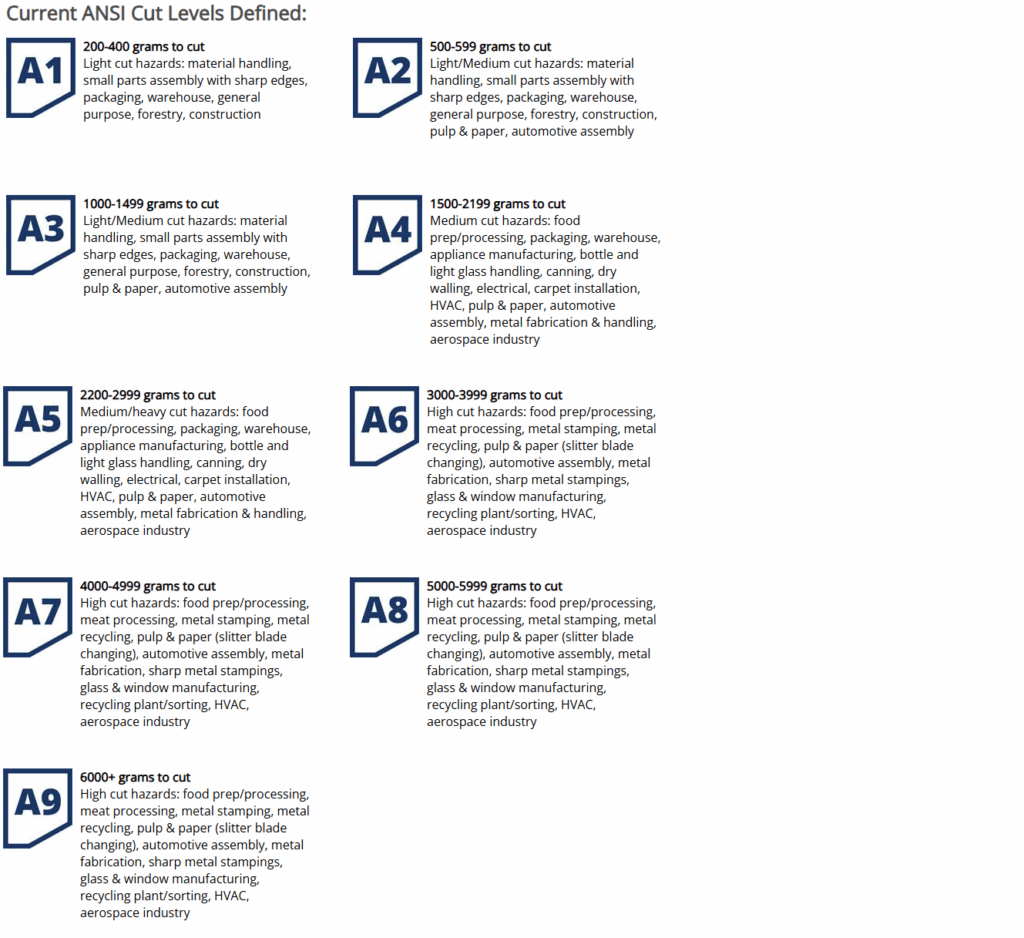
In North America — and increasingly recognised globally — the ANSI/ISEA 105 standard rates gloves on a scale from A1 to A9:
A1 (Light): Basic protection for minimal cut hazards — ideal for general assembly or light material handling.
A2–A3 (Light/Medium): Suitable for low to medium risks, such as warehouse tasks and light-duty cutting.
A4 (Medium): Handles moderate hazards, such as sheet metal handling or packaging tasks.
A5 (Medium/Heavy): Stronger protection for sharp materials, such as glass or sharp-edged metals.
A6–A9 (High to Extreme): Designed for high-risk tasks involving powerful cutting tools or heavy machinery.
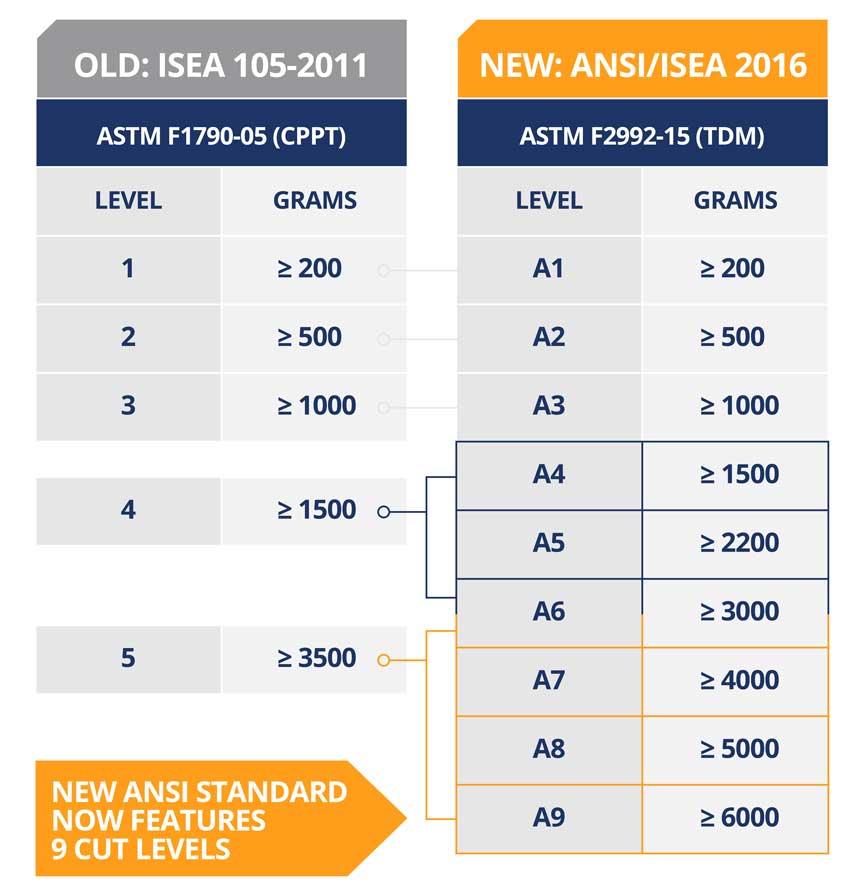
The updated ANSI/ISEA 105-2016 standard utilizes the ASTM F2992-15 test method, which ensures consistent and precise measurements of cut resistance in grams. By offering nine distinct levels, this standard eliminates the gaps present in older versions, providing more explicit guidance for selecting the appropriate PPE.
EN 388 Cut Resistant Glove Levels: The European Standard
The EN 388 standard, commonly found on cut-resistant gloves sold in Kenya, categorizes gloves using two methods:
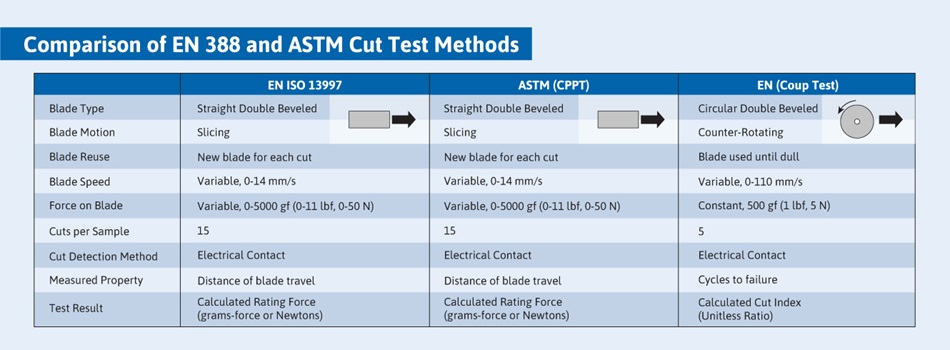
Coup Test (Levels 0–5) — the traditional method using a rotating circular blade.
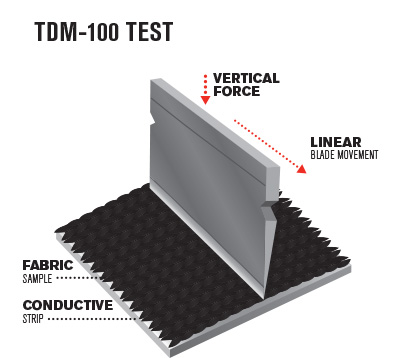
ISO 13997 Test (Levels A–F) — the modern TDM-100 test for high-precision results, especially for gloves made with advanced yarns that dull blades easily.

Modern TDM 100 test for high precision results 
EN markings on cut-resistant gloves
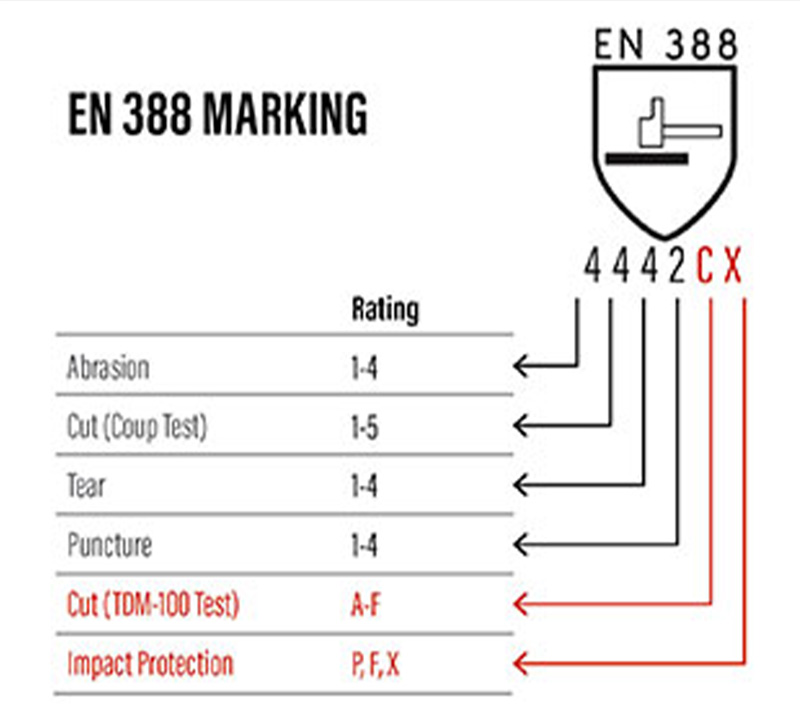
Here’s how the EN 388 alpha scale works:
Level A (Low): For minimal cut risks.
Level B (Low to Medium): Basic protection for light tasks.
Level C (Medium to High): Solid protection for moderate hazards.
Level D (High): High-level cut protection for more dangerous tasks.
Level E (Very High): Excellent resistance for severe cutting risks.
Level F (Extremely High): Maximum protection in ultra-high risk environments, e.g., meat processing or heavy industrial cutting.
Unlike ANSI, EN 388 scores are given in Newtons (force) instead of grams (mass).
For technical details, check the official ISO 13997 standard here.
Key Differences Between ANSI and EN 388 Cut Resistant Glove Levels
| Feature | ANSI/ISEA 105 | EN 388 |
|---|---|---|
| Measurement unit | Grams | Newtons |
| Scale | A1 – A9 | A – F |
| Test Method | ASTM F2992-15 | ISO 13997 (TDM-100) |
| Common Use | North America | Europe, Africa, and the global |
While both standards now use the TDM-100 test, the scoring is not directly interchangeable. For example, an ANSI A4 glove does not automatically equal an EN Level D glove. Always check both ratings if they are available.
How to Choose the Right Cut Resistant Glove Level in Kenya
Many Kenyan industries, from agriculture to metal works, rely on trusted brands to protect their workforce. When selecting gloves:
✅ Assess the hazard: Know whether you handle light cardboard or sharp glass.
✅ Check the rating: Higher levels mean more protection but may affect dexterity.
✅ Think about coating: PU-coated gloves provide better breathability and fine control, while nitrile-coated gloves excel in puncture resistance and grip in oily conditions.
✅ Balance comfort with safety: Don’t sacrifice flexibility if your tasks need precision handling.
For a variety of tested and certified options, explore our General Purpose Gloves collection — designed to meet different cut resistant glove levels.
PU Coated vs Nitrile Coated Cut Resistant Gloves
Let’s compare two popular glove coatings commonly searched by buyers in Kenya: PU-coated cut resistant gloves and nitrile-coated cut resistant gloves.
PU-Coated:
Best suited for dry environments and tasks that require dexterity.
Offers good cut and abrasion resistance.
Comfortable and breathable, but not ideal for oily surfaces.
Nitrile-Coated:
Excellent grip in oily and wet conditions.
Superior puncture and tear resistance.
More durable than PU but less breathable.
If your tasks involve working with slippery or greasy materials, nitrile is your go-to choice. For assembly lines or electronics handling, PU delivers the finesse you need.
FAQs About Cut Resistant Glove Levels
Are cut resistant gloves truly cut-proof?
No glove is cut-proof. They are designed to lower the risk of injury by resisting cuts better than bare hands or regular gloves.
Which cut resistant glove level do I need?
Light tasks: ANSI A1–A2 / EN A–B
Moderate risk: ANSI A3–A5 / EN C–D
High risk: ANSI A6–A9 / EN E–F
Do cut-resistant gloves protect against punctures or chemicals?
Some do, but always check for additional ratings, such as puncture resistance or chemical protection, if your job demands it.
How do I know if my gloves meet the standards?
Look for markings on the glove or packaging. Reputable suppliers will show both ANSI and EN 388 ratings.
Final Thoughts: Safer Hands, Safer Workplaces
Understanding cut resistant glove Levels is crucial to protecting your hands and complying with safety regulations in Kenya’s industrial and commercial sectors. By comparing ANSI and EN 388 ratings, you can select gloves that strike a balance between protection, comfort, and performance.
Ready to upgrade your team’s hand safety? Visit our General Purpose Gloves page for a wide selection of certified gloves for every cut hazard level.
Explore more safety tips and protective gear on our blog and keep your workforce safe every day.



Product Gallery

Featured Products
-
 wall-mounted with 1000 ml bottles emergency eye wash station
KSh9,000.00
wall-mounted with 1000 ml bottles emergency eye wash station
KSh9,000.00 -
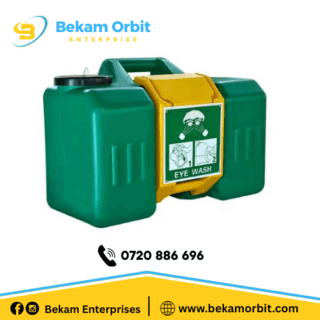
9-Gallon Gravity-Flow Portable Eye Wash Station
KSh17,000.00
-
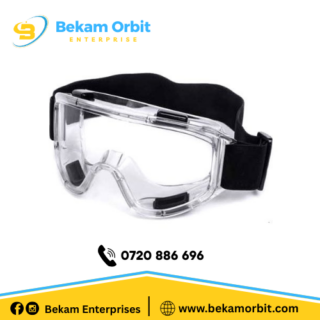
Lab Safety Goggles
KSh400.00
-
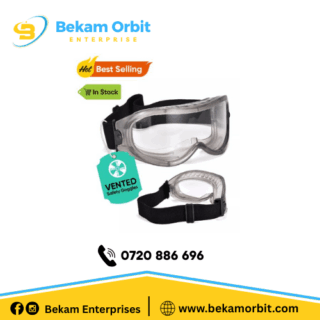
Over Glasses Safety Goggles
KSh700.00
-
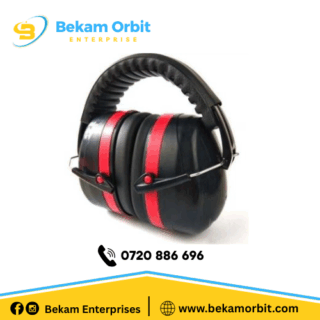
Safety Noise Cancelling Earmuffs
KSh1,300.00
-
Askari Security Boots
KSh1,800.00
-
White light duty gumboots
KSh800.00
-
Ace Duma Safety Shoes
KSh3,100.00