LATEX VS NITRILE VS PU GLOVES: WHICH WORKING GLOVE SHOULD I CHOOSE?
Choosing the right work glove can mean the difference between staying safe and suffering an injury on the job. When it comes to work gloves, the coating you pick —latex vs nitrile vs PU gloves— determines how well your gloves will perform in your specific working conditions.
In this guide, we break down the pros, cons, and best uses for latex, nitrile, and polyurethane (PU) coated gloves, with real examples stocked locally in Kenya, so you can confidently select the right pair for your needs.
Why Coating Matters for Work Gloves

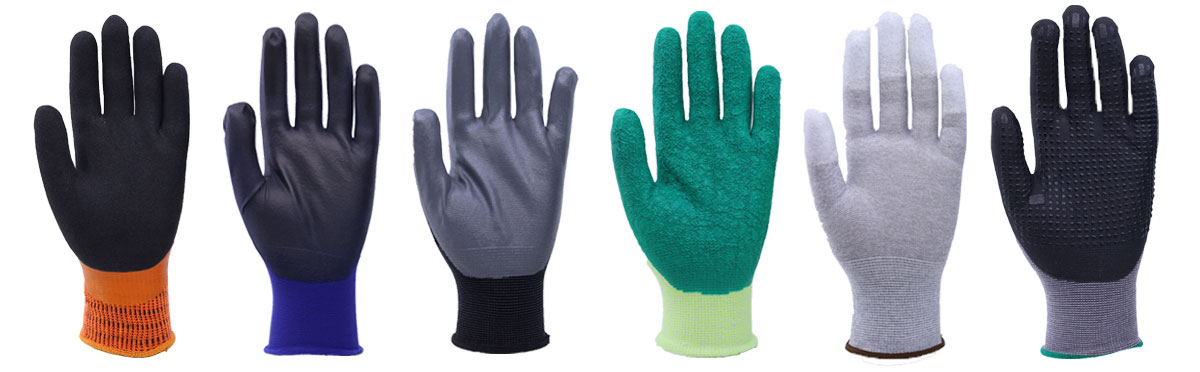
Modern work gloves are designed with a flexible liner and a palm, 3/4, or full coating. This coating provides protection against water, oil, chemicals, cuts, abrasion, and impact.
Whether you’re working on a construction site, in the oil and gas industry, or handling delicate electronics, understanding the differences between —latex vs nitrile vs PU gloves— will help you choose the best glove for safety, comfort, and durability.
Latex Coated Gloves: Flexible, Grippy & Cost-Effective
Latex is a natural rubber that provides high elasticity, comfort, and excellent dry grip. Latex gloves are a go-to choice for many industries in Kenya due to their durability and affordability.
Benefits of latex-coated gloves:
- Excellent dry grip for handling glass, metal, and rough materials.
- Good abrasion and tear resistance.
- Comfortable and flexible fit for all-day wear.
- Performs well in both dry and moderately wet environments.
Downsides:
- May cause allergic reactions.
- Not suitable for oil-heavy or chemical-intensive work.
Common uses: Construction, scaffolding, glass handling, and general material handling.
Example: Diamond Grip Industrial Gloves
Nitrile Coated Gloves: The Oil & Chemical Resistant Champion
Nitrile is a synthetic rubber, making nitrile gloves an ideal latex-free alternative with superior resistance to oils, grease, and some chemicals. They also offer great puncture resistance and durability.
Benefits of nitrile coated gloves:
- Best resistance to oils and hydrocarbon-based liquids.
- Strong protection against punctures and abrasions.
- Available in micro-foam or sandy nitrile for extra grip.
- Hypoallergenic.
Downsides:
- Slightly less flexible than PU gloves.
- Higher cost than latex gloves.
Common uses: Oil and gas, automotive maintenance, metal fabrication, wet or oily environments.
Example: Gorilla Cut 5 Nitrile Gloves
PU Coated Gloves: Light, Flexible & Perfect for Precision
Polyurethane (PU) is a synthetic polymer known for its thin, flexible coating, which provides exceptional touch sensitivity and a good grip for precise work.
Benefits of PU coated gloves:
- Highly flexible and lightweight.
- Excellent for fine assembly tasks.
- Breathable and comfortable for long hours.
- Moderate oil and chemical resistance.
Downsides:
- Less durable than nitrile in heavy-duty conditions.
- Slightly less grip than latex in dry environments.
Common uses: Electronics assembly, cleanroom work, warehouse packaging, timber handling, precision mechanics.
Example: PU Coated Cut Resistant Gloves
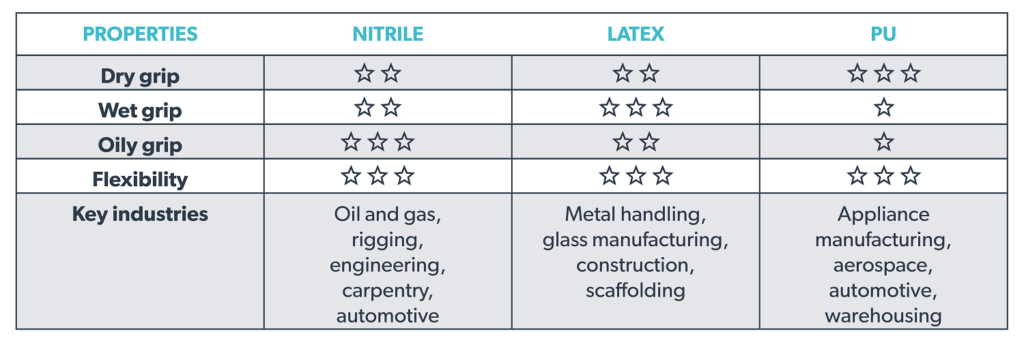
Quick Comparison Table
| Feature | Latex Coated | Nitrile Coated | PU Coated |
|---|---|---|---|
| Grip | Excellent (dry) | Excellent (wet/oily) | Good (dry) |
| Flexibility | High | Medium | Very High |
| Chemical Resistance | Low | High | Medium |
| Durability | High | High | Medium |
| Cost | Affordable | Moderate | Moderate |
| Allergy Risk | Possible | None | None |
Consider Cut Resistance Too!
Aside from the coating, you should check the cut resistance level. Gloves are rated under ANSI and EN 388 standards. To learn more about how to pick the right cut level, read our guide:
Cut Resistant Glove Levels: Comparing ANSI & EN 388 Ratings
Shop Certified Gloves for Kenyan Workplaces
We stock certified gloves that meet global safety standards. Whether you need latex-coated gloves for dry work, nitrile gloves for oily tasks, or PU gloves for fine assembly, you’ll find the right pair for your team.
Browse our full range of general-purpose gloves here
Frequently Asked Questions (FAQ)
1. Which glove coating is best for oily work?
Nitrile-coated gloves are the top pick for oily or greasy tasks because they resist oil and provide a firm grip even in wet conditions.
2. Can latex gloves cause allergies?
Yes, some workers develop skin reactions to natural latex. If that’s a concern, go for nitrile or PU-coated gloves, which are latex-free.
3. What jobs are PU gloves best for?
PU gloves are ideal for precision tasks that require high dexterity, such as electronics assembly, handling small components, or working in a cleanroom environment.
4. Are latex gloves chemical resistant?
Not really. Latex has poor resistance to oils and many chemicals. For chemical handling, nitrile is the better choice. Read more on how to choose the right chemical-resistant gloves for your work.
5. Which coating is most durable?
Nitrile coated gloves usually last the longest in tough conditions. Latex is also durable, but it doesn’t handle oil or chemicals as well.
6. Can I use PU gloves in areas with oil?
PU gloves can handle light oil, but nitrile performs better for heavy oil or grease exposure.
7. Where can I buy quality LATEX VS NITRILE VS PU gloves in Kenya?
You can find certified latex, nitrile, and PU coated gloves in our hand protection section — all tested to meet international safety standards.
Final Takeaway
Choosing between LATEX VS NITRILE VS PU gloves depends on your work environment:
✔️ Latex for affordable, strong dry grip tasks.
✔️ Nitrile for oily, chemical, or high-abrasion work.
✔️ PU for precision tasks needing maximum dexterity.
Ready to protect your hands better?
Shop our certified work gloves today!



Product Gallery
Featured Products
-
 wall-mounted with 1000 ml bottles emergency eye wash station
KSh9,000.00
wall-mounted with 1000 ml bottles emergency eye wash station
KSh9,000.00 -
9-Gallon Gravity-Flow Portable Eye Wash Station
KSh17,000.00
-
Lab Safety Goggles
KSh400.00
-
Over Glasses Safety Goggles
KSh700.00
-
Safety Noise Cancelling Earmuffs
KSh1,300.00
-
Askari Security Boots
KSh1,800.00
-
White light duty gumboots
KSh800.00
-
Ace Duma Safety Shoes
KSh3,100.00