
Understanding Material Types Used for Hard Hats
When it comes to workplace safety in Kenya, choosing the right hard hat is more than a formality — it’s a necessity. Hard hats protect workers from falling debris, electrical hazards, and unexpected impacts on busy sites. However, the secret to top performance lies in the material types used for hard hats, which directly affect the protection level, comfort, durability, and branding.
Understanding the various material types used for hard hats is essential for making informed safety decisions.
This detailed guide breaks down the most common safety helmet materials — HDPE, ABS, fiberglass, and more — so you can make the best choice for your crew and site conditions.
Why the Hard Hat Material Matters
Every construction helmet must withstand impact, penetration, and harsh weather conditions. The material type used for hard hats determines:
✅ Strength against blunt and sharp impacts
✅ Weight and wearer comfort
✅ UV and chemical resistance
✅ Printing surface for clear company branding
✅ Overall cost-effectiveness
The selection of material types used for hard hats affects the overall safety ratings of the helmets.
To get a deeper understanding of the main safety helmet classifications (EN 397, EN 14052, EN 12492, and EN 50365), check out our comprehensive guide on safety helmet standards and buying tips in Kenya.
1️⃣ High-Density Polyethylene (HDPE)
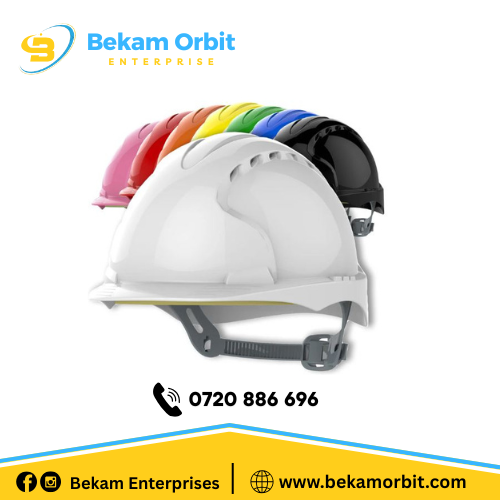
HDPE hard hats are the workhorse of the construction and industrial PPE world. They strike the right balance between cost, durability, and compliance, which is why trusted models like the Vaultex Safety Helmet and JSP Evo 2 Helmet are made from tough HDPE.
Why Choose HDPE:
- Lightweight yet impact-resistant
- Excellent UV resistance for Kenya’s climate
- Cost-effective for bulk purchases
- Versatile for construction, farming, and warehouse work
Minor Trade-off:
HDPE’s surface isn’t as smooth as ABS, so logos may appear slightly less sharp.
✅ Explore our HDPE safety helmets here.
2️⃣ Acrylonitrile Butadiene Styrene (ABS)
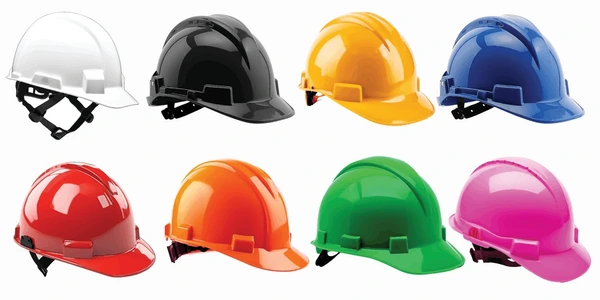
ABS helmets are favored for their higher impact strength and polished finish, perfect for projects where appearance and branding matter as much as safety.
Benefits of ABS Hard Hats:
- Stronger impact resistance than HDPE
- Smooth surface allows crisp logo printing
- Lightweight for all-day comfort
- Ideal for construction, building inspection, and supervisor use
Things to Note:
Costs slightly more than HDPE; however, UV exposure can degrade ABS more quickly if not properly stored.
3️⃣ Fiberglass Safety Helmets
When the job involves high heat, sparks, or high voltage, fiberglass hard hats are the industry standard, widely used in welding, mining, and electrical engineering.
For many industries, the choice of material types used for hard hats is dictated by specific safety standards.
Why Fiberglass?
- Excellent heat and electrical resistance
- Sturdy and long-lasting
- Ideal for specialized industries
Consideration:
Heavier than plastic helmets, it costs more but offers unmatched thermal safety.
4️⃣ Other Specialized Materials
Besides the big three, other materials play a niche role in the hard hat market:
- Polypropylene: Cost-effective but lower impact resistance.
- Carbon Fiber: Super strong and lightweight, but very expensive.
- Ultem & Molded Thermoplastic: High-performance for specialized industrial needs.
- Bakelite Composite: Older technology, less common today.
- Metal: Historically used but now rare due to electrical hazard risks.
For a deeper technical comparison, see this detailed external guide on material types used to make hard hats by Industrial Safety Gear.
Reviewing the various material types used for hard hats can help you select the most suitable protective gear.
How to Choose the Right Hard Hat Material
| Job Condition | Recommended Material |
|---|---|
| General Construction | HDPE or ABS |
| High Branding & Premium Look | ABS |
| High Heat, Welding, or Mining | Fiberglass |
| Budget Supply | HDPE |
Need extra help choosing? Our detailed guide to Kenya’s safety helmets, including types, standards, and buying tips, can help you make an informed decision.
Bonus Safety Tip: Gloves Matter Too
Alongside your helmet, don’t overlook proper hand protection. For construction and industrial work, consider:
- Nitrile Coated Gloves: Best for oily environments.
- Latex Coated Gloves: Excellent grip and flexibility.
- PU Coated Gloves: Perfect for tasks needing high precision and dexterity.
This balanced PPE approach ensures complete site safety.
FAQs: Material Types Used for Hard Hats
It’s vital to understand the material types used for hard hats to ensure optimal protection in various job settings.
Q1: What material is most used for hard hats in Kenya?
HDPE is the top choice for general work due to durability and cost savings. ABS is used when impact strength and branding quality are of primary importance.
Q2: Which is better — HDPE or ABS?
ABS provides better impact resistance and smoother branding, but at a higher cost. HDPE is durable, UV-resistant, and more budget-friendly.
Q3: How often should I replace a hard hat?
Replace every 2–5 years, sooner if exposed to high UV, chemicals, or visible damage.
Q4: What hard hat is best for electrical work?
Fiberglass or Class E-rated helmets provide top protection for electrical environments.
Q5: Where can I buy certified hard hats in Nairobi?
Check out our full head protection gear selection for HDPE, ABS, and fiberglass options.
Final Word on Material Types Used for Hard Hats
Understanding the material types used for hard hats ensures you protect your team with the right balance of safety, comfort, and value. Whether you choose a budget-friendly HDPE helmet, a premium ABS design, or a rugged fiberglass model for extreme conditions, always confirm it meets international and local standards.
Ultimately, being informed about the material types used for hard hats is crucial for workplace safety.
Incorporating the right material types used for hard hats can enhance safety during hazardous work conditions.
✅ Ready to upgrade your team’s safety?
Browse our trusted, certified safety helmets and headlamps in Kenya and secure the best protection today!


Product Gallery
Featured Products
-
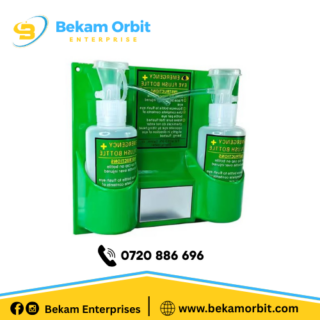
 wall-mounted with 1000 ml bottles emergency eye wash station
KSh9,000.00
wall-mounted with 1000 ml bottles emergency eye wash station
KSh9,000.00 -
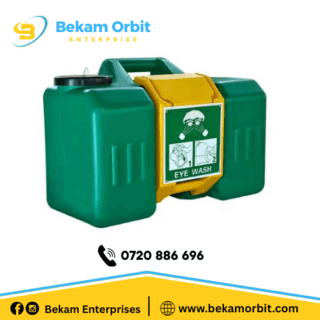
9-Gallon Gravity-Flow Portable Eye Wash Station
KSh17,000.00
-
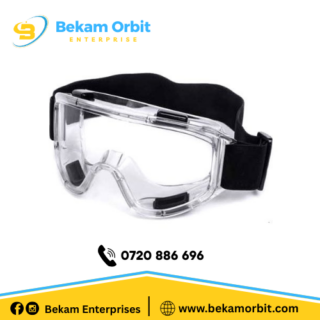
Lab Safety Goggles
KSh400.00
-
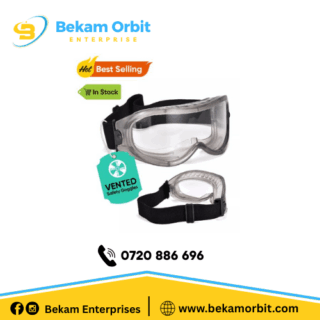
Over Glasses Safety Goggles
KSh700.00
-
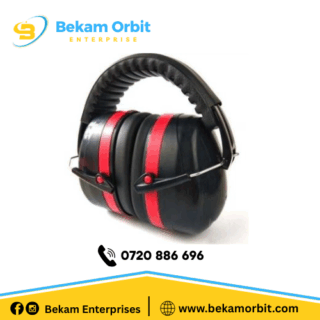
Safety Noise Cancelling Earmuffs
KSh1,300.00
-
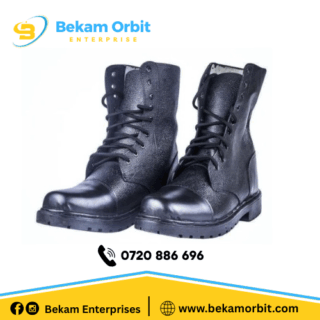
Askari Security Boots
KSh1,800.00
-
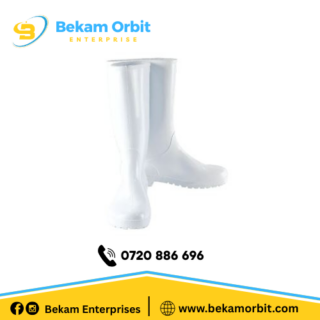
White light duty gumboots
KSh800.00
-
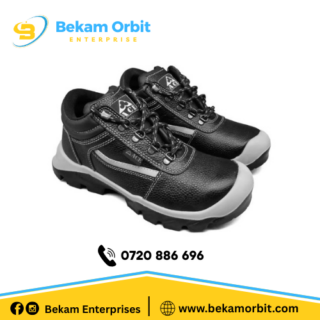
Ace Duma Safety Shoes
KSh3,100.00