Fall Arrest vs Work Positioning vs Fall Restraint in Kenya: Choosing the Right Fall Protection System
Working at height is one of the quickest ways a normal job can turn into a serious incident—especially on rooftops, scaffolding, towers, ladders, steel structures, and warehouse racking. That’s why contractors, facility teams, and safety managers are investing more in fall protection systems in Kenya that are matched to the real hazard on site (not just “buy a harness and hope”).
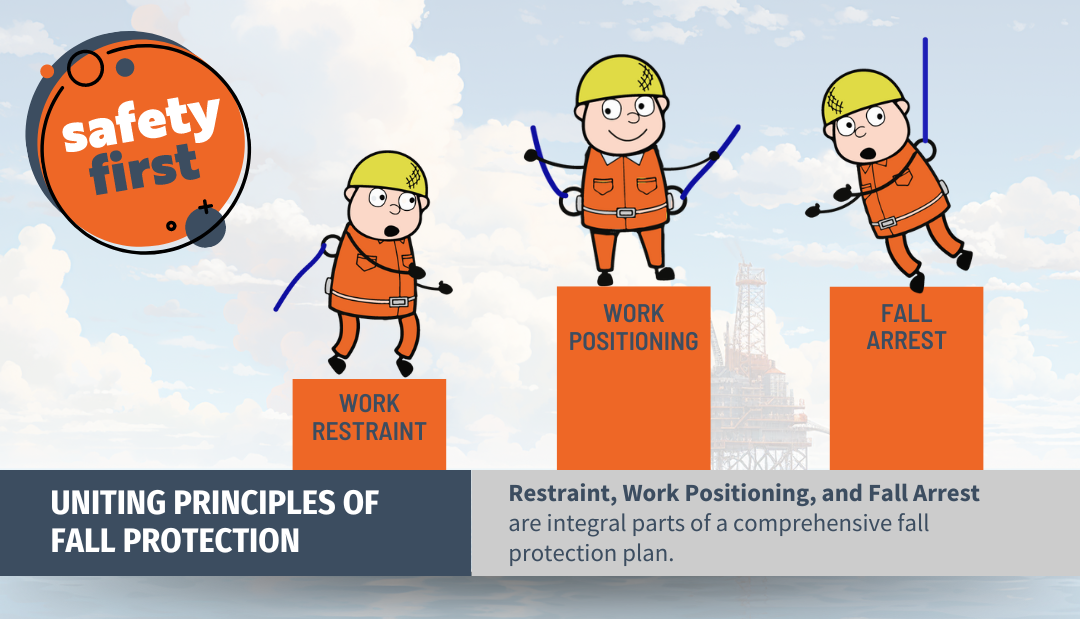
In this guide, we break down the three most common fall protection systems in Kenya:
- Fall Arrest – stops you after you fall
- Work Positioning – supports you while you work hands-free
- Fall Restraint – prevents you from reaching the edge
And we’ll show you exactly when each system is the right choice, what components you need, and the common mistakes Kenyan sites must avoid.
If you’re sourcing equipment, start here: fall protection gear in Kenya.
Start with the safest approach (don’t begin with PPE)
Before selecting a lanyard or harness, ask:
- Can we eliminate the height risk (work from the ground and use extendable tools)?
- Can we engineer the risk out (using guardrails, covers, and platforms)?
- Can we control access (permits, signage, supervision)?
- If not, choose the correct fall protection system (restraint, positioning, or arrest).
PPE is essential—but it’s the last line of defense. The goal is always to reduce the likelihood of a fall first, then use the right system to protect the worker.
Quick definitions (site-friendly)
1) Fall Arrest System (catches you after a fall)
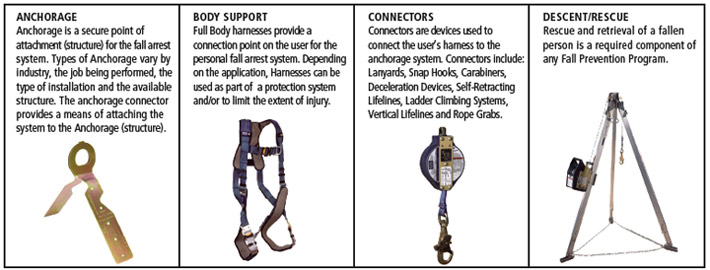
A fall arrest system is designed to stop a fall in progress and reduce the forces on the body. It does not prevent the fall—it arrests it. This is one of the most common fall protection systems in Kenya for construction and maintenance work, where edge exposure can’t be avoided.
2) Work Positioning System (holds you in place to work hands-free)
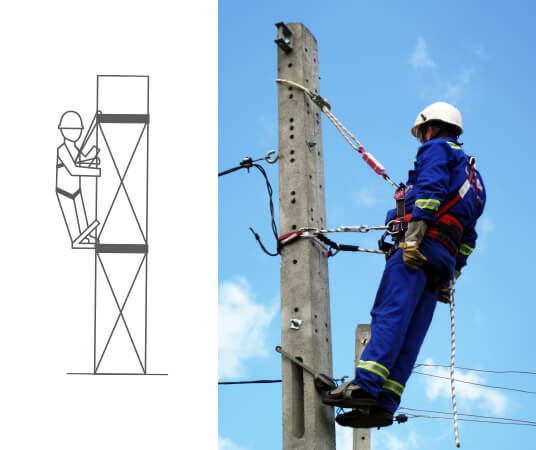
A work positioning system supports a worker in a stable posture (often on a vertical surface) so they can work with both hands free. It’s common in pole work, tower work, and maintenance tasks that require leaning while supported.
3) Fall Restraint System (prevents reaching the fall hazard)
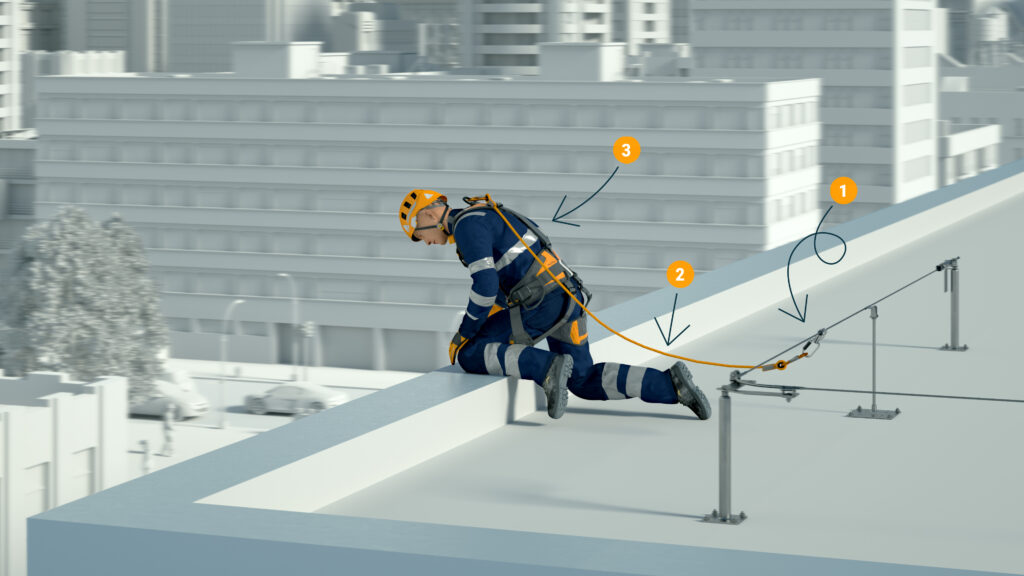
A fall restraint system is set up so the worker cannot physically reach a fall hazard (roof edge, opening, fragile roof sheet, skylight). When correctly designed and adjusted, restraint is often the safest and simplest option.
Comparison table: Fall Arrest vs Positioning vs Restraint
| System | Main goal | Can a fall happen? | Typical setup | Best for |
|---|---|---|---|---|
| Fall Arrest | Stop the fall after it happens | ✅ Yes (but arrested) | Harness + energy absorber lanyard or SRL + anchorage | Roof edges, scaffolds, towers, steel work, MEWP work |
| Work Positioning | Hold worker stable, hands-free | ⚠️ Limited (must be controlled) | Positioning harness/belt + positioning lanyard + anchorage | Poles, walls, tower tasks needing stability |
| Fall Restraint | Prevent reaching the edge | ❌ No (if correctly set) | Harness/belt + fixed-length restraint line + anchorage | Roof maintenance, near skylights/openings |
If you’re building your setup, browse fall protection harnesses to ensure they match your system type.
Fall Arrest systems in Kenya (when a fall could happen)
When fall arrest is the right choice
Choose a fall arrest system in Kenya when:
- The worker must operate near an edge/opening, and restraint isn’t practical
- The task requires movement at height (towers, steelwork, scaffolds, roofing)
- You have adequate clearance below and a rescue plan in place
Core components of a fall arrest system
A proper fall arrest system typically includes:
- Anchorage (a rated, suitable point to connect)
- Connector (hooks/carabiners/anchor slings)
- Full body harness (not a waist belt for fall arrest)
- Deceleration device (shock absorber lanyard, SRL, rope grab + lifeline)
If you’re shopping for a reliable setup, start with a certified harness such as the Comfy II full-body harness or the Vaultex full-body safety harness with double lanyards (ideal when workers need two-hook movement for continuous connection).
Why clearance matters (the part many sites miss)
A fall arrest system only works if the worker has enough fall clearance to avoid striking a lower level. Clearance depends on:
- lanyard length (or SRL type)
- deceleration distance (shock absorber deployment)
- harness stretch and D-ring shift
- worker height and connection method
- a safety margin
If clearance is limited, consider an SRL, as it typically reduces the free-fall distance. A strong option for site work is 6m Allen Cooper self retracting lifeline.
Rescue planning is part of the fall arrest system
Fall arrest saves a worker from impact—but you still need a plan to retrieve the worker quickly. A good fall protection program includes rescue procedures, equipment access, and assigned roles (especially on towers, roofs, and confined-access structures).
Work Positioning systems in Kenya (stability + hands-free work)
When work positioning is the right choice
Use work positioning when the job requires:
- stable posture on a vertical surface (pole/tower/wall)
- both hands free for tools, welding, fastening, or installation
- controlled and limited movement while supported
This is one of the most commonly misunderstood fall protection systems in Kenya because many people assume positioning equals arrest. It doesn’t. Positioning is for working support, not catching a high free-fall by default.
What work positioning does well
A well-designed work positioning system:
- supports the worker’s posture (reduces fatigue)
- improves accuracy and productivity
- allows hands-free working while remaining supported
Best practice (important)
In many real-world jobs, work positioning is combined with a backup fall arrest connection—especially if there’s any risk of a swing fall, unexpected movement, or edge exposure. The correct combination depends on the task and anchorage position.
Fall restraint systems in Kenya (prevention-first)
When fall restraint is the best option
Fall restraint works best where you can set boundaries—especially:
- roof inspections and rooftop maintenance
- working near skylights
- working near unprotected edges
- accessing rooftop equipment (HVAC, tanks, telecom fixtures)
A correctly adjusted fall restraint system in Kenya prevents the worker from reaching the hazard zone. That means no fall occurs, which is always better than relying on fall arrest.
Why fall restraint often wins
- simpler planning than arrest (less clearance complexity)
- lower risk of injury because there’s no fall to stop
- easier supervision and safer workflow for many roof tasks
The standards that matter (what to ask for in Kenya)
When buying fall protection systems in Kenya, don’t focus only on price. Focus on:
- certification/markings
- correct system type (restraint vs positioning vs arrest)
- safe connectors and reliable anchorage solutions
- inspection procedures and replacement policies
Common EN standards you’ll see:
- EN 361 – full body harness (fall arrest)
- EN 358 – work positioning / restraint belts & lanyards
- EN 355 – energy absorbers (shock absorber lanyards)
- EN 360 – retractable fall arresters / SRLs
If your site specifications reference ANSI/ASSP requirements, ensure the gear and program align accordingly—especially for rescue planning, managed systems, and inspection requirements.
How to choose the right fall protection system (simple decision guide)
Choose Fall Restraint if:
- You can set a fixed-length line that prevents reaching the edge
- The work area can be clearly bounded (roof zones, plant rooftops)
- The priority is prevention and reduced fall exposure
Choose Work Positioning if:
- The worker must be supported while working hands-free
- The task is on a pole/wall/tower surface where stability is essential
- You can control free-fall risk and (where needed) add arrest backup
Choose Fall Arrest if:
- The worker can reach a fall edge/opening during the task
- Restraint cannot be set up practically
- You have sufficient clearance below and a workable rescue plan
Common mistakes Kenyan sites should avoid
- Buying “a harness” without matching the system type
Fall arrest requires an arrest-rated full-body harness—not a simple belt. - Poor anchorage selection
An incorrect anchorage position increases free-fall distance and swing-fall risk. - Ignoring clearance
Even a certified fall arrest system can still allow impact if clearance is insufficient. - No rescue plan
Fall arrest isn’t complete without a fast rescue method. - No inspection routine
Webbing cuts, UV damage, corrosion, deformed hooks, and damaged stitching must be taken seriously.
If you’re building a compliant setup for your team, explore height safety equipment and choose the right combination for your task.
FAQs: Fall protection systems in Kenya
Is work positioning the same as fall arrest?
No. Work positioning supports hands-free work. Fall arrest is designed to stop a fall in progress. Many jobs require positioning and an arrest backup, depending on risk.
Do I need an SRL or a shock absorber lanyard?
It depends on clearance, mobility needs, and task type. SRLs are helpful where reduced free-fall is needed. Shock absorber lanyards are common for general fall arrest where clearance is adequate. For SRLs, see 6m Allen Cooper self-retracting lifeline.
What is the safest fall protection system?
Where possible, fall restraint is often the safest because it prevents contact with the fall hazard. If restraint isn’t feasible, use a properly designed fall-arrest system with clearance and a rescue plan.
Get the right fall protection setup from Bekam Orbit
Bekam Orbit supplies fall protection systems in Kenya for construction sites, facilities, telecoms, warehouses, and industrial maintenance—covering fall arrest, work positioning, and fall restraint solutions.
Start here:
- Shop PPEs in Nairobi (and get delivery countrywide)
- Browse fall protection harnesses
- Explore fall protection gear in Kenya
Popular picks:
- Vaultex full-body safety harness with double lanyards
- Comfy II full body harness
- 6m Allen Cooper self-retracting lifeline
📍 Office/Pickup: Accra Towers, 3rd Floor, T5 (next to Accra Hotel) — Nairobi.



Product Gallery
Featured Products
-
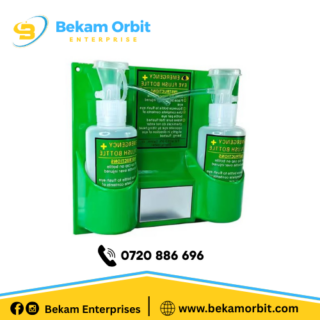
 wall-mounted with 1000 ml bottles emergency eye wash station
KSh9,000.00
wall-mounted with 1000 ml bottles emergency eye wash station
KSh9,000.00 -
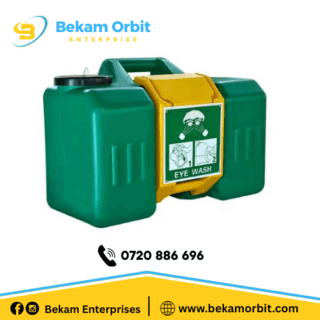
9-Gallon Gravity-Flow Portable Eye Wash Station
KSh17,000.00
-
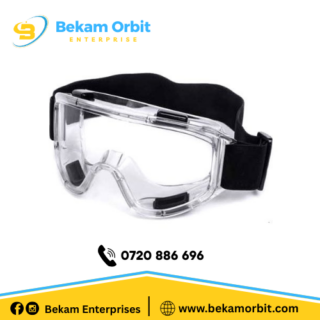
Lab Safety Goggles
KSh400.00
-
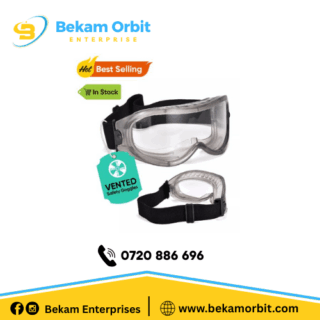
Over Glasses Safety Goggles
KSh700.00
-
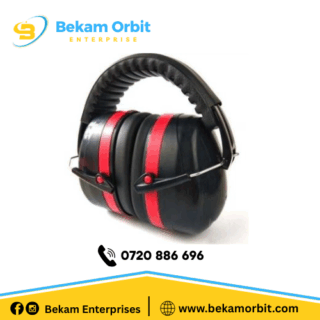
Safety Noise Cancelling Earmuffs
KSh1,300.00
-
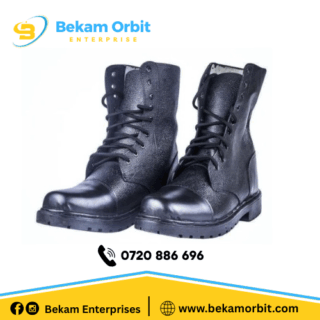
Askari Security Boots
KSh1,800.00
-
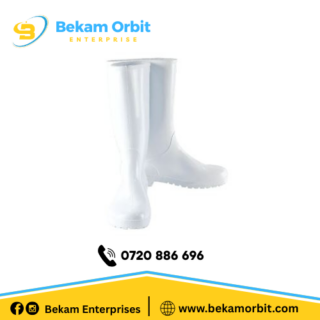
White light duty gumboots
KSh800.00
-
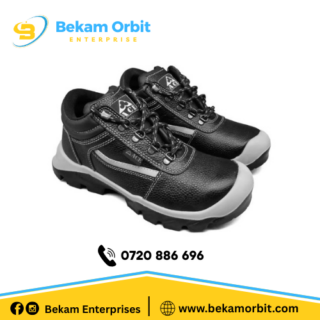
Ace Duma Safety Shoes
KSh3,100.00