Denim Material in Kenya: What It Is, Types, GSM Guide, Uses & Care Tips
If you’re comparing fabrics for uniforms, aprons, and stylish workwear, denim material in Kenya is one of the most searched options—and for good reason. Denim looks premium, handles daily wear well, and works perfectly for hospitality, barista aprons, and modern uniforms.
In this guide, you’ll learn what denim material in Kenya really is, the best weights (GSM/oz), common denim types, how it compares to other workwear fabrics, and how to care for denim so it lasts longer.
What is denim material?
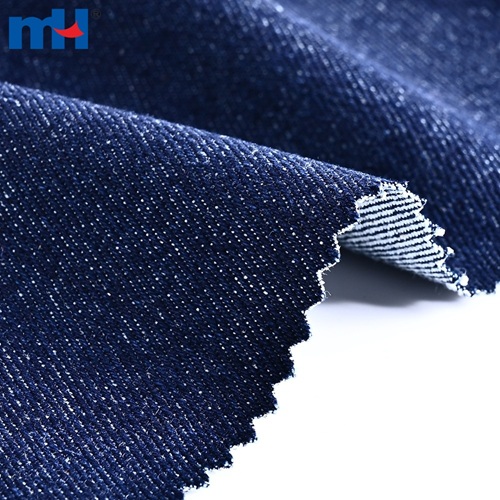
Denim is a durable twill-woven fabric—most commonly cotton—characterized by a classic structure in which the warp (outer threads) is dyed (often blue/indigo) and the weft (inner threads) is lighter (often white). Encyclopedia Britannica
That twill weave is the reason denim has:
the familiar diagonal texture
strong abrasion resistance
a “structured” feel that looks premium on aprons and uniforms
So when buyers ask about denim material in Kenya, they’re usually looking for a fabric that balances durability + appearance + comfort for daily use.
Denim vs jeans: quick clarification
Denim = the fabric
Jeans = a garment made from denim
This matters because denim material in Kenya is used for much more than jeans—especially in hospitality and branded workwear.
How denim is made (why it looks blue outside and lighter inside)
Traditional denim uses yarn-dyed warp yarns (often indigo) and a lighter weft, which creates the classic “blue outside / lighter inside” look.
That also explains why some denim products:
bleed dye on the first few wears/washes
fade gradually in high-friction areas (patina)
Denim GSM & weight guide (what to choose in Kenya)
When buying denim material in Kenya, weight matters a lot—especially for aprons and uniforms.
Common denim weight ranges (practical)
200–260 GSM (lightweight): uniforms, light shirts, lighter aprons (cooler, more flexible)
260–340 GSM (midweight): the sweet spot for most hospitality aprons and daily wear
340–450+ GSM (heavyweight): heavy-duty aprons and rugged wear (stronger, warmer)
Rule of thumb:
If you want a durable apron that feels premium and lasts a long time, choose midweight to heavyweight denim.
Types of denim material in Kenya (and what each is best for)
Here are the most useful denim types you’ll see in the market:
1) Raw denim (unwashed)
Stiffer at first, molds to the wearer over time
More dye transfer early on
Great for people who want longevity and “fade character.”
2) Washed denim
Softer from day one
Less dye bleeding
Best for staff comfort and frequent washing schedules
3) Stretch denim
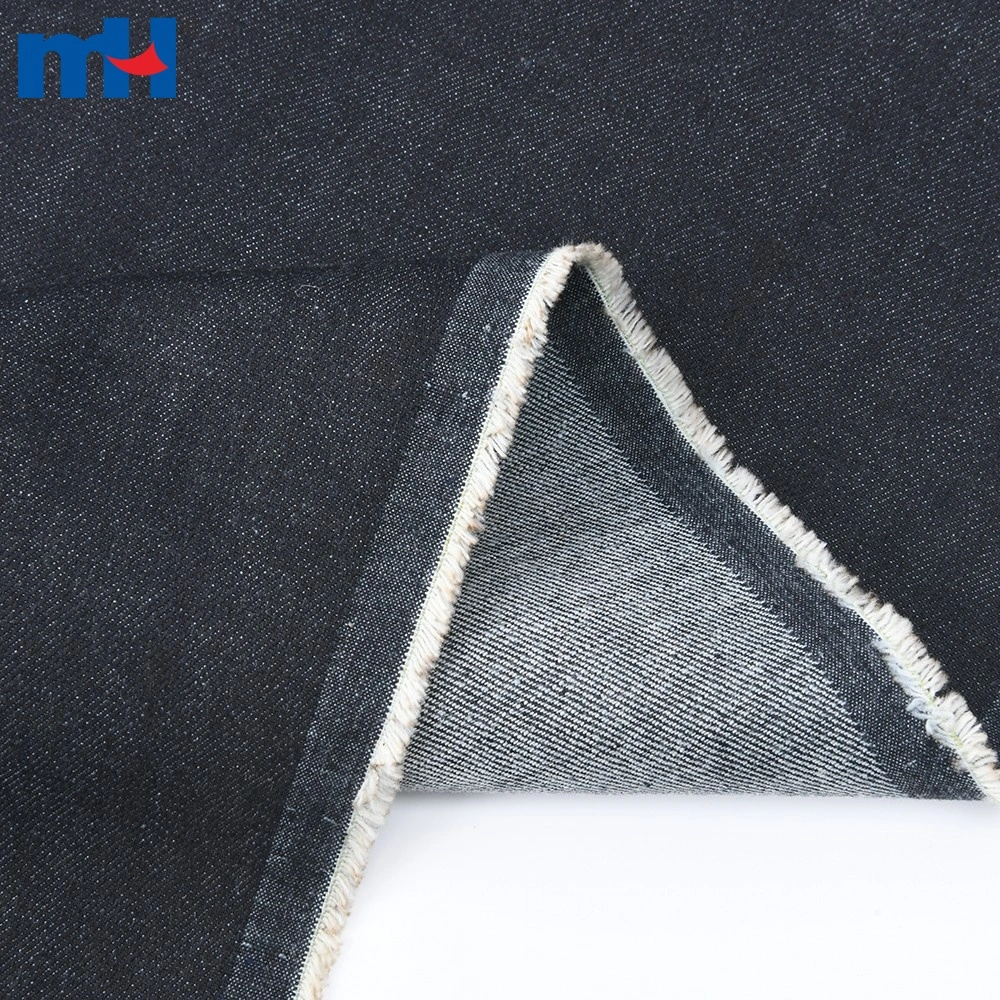
Denim blended with elastane/spandex
More mobility and comfort (great for active roles)
4) Selvedge denim
Premium finishing (often higher cost)
More of a fashion/luxury positioning than a mass-uniform fabric
For hospitality and service teams, washed or midweight denim is usually the best balance.
Best uses of denim material in Kenya
Hospitality & barista aprons (top use case)
Denim is a favorite for cafes and restaurants because it looks modern and feels premium.
check;
Helpful explainer blog: Types of Aprons in Kenya
Stylish workwear and casual uniforms
Denim is great where a team wants durability but also a “smart-casual” look (sales staff, workshop reception, logistics supervisors).
For overall/coverall, this check the link below:
Denim vs cotton drill vs twill vs tetrex (quick comparison)
Since many buyers compare fabric options for uniforms, here’s a simple guide:
| Fabric | Comfort (heat) | Durability | Look/finish | Best for |
|---|---|---|---|---|
| Denim | Medium | High | Premium/modern | Aprons, hospitality uniforms, casual workwear |
| Cotton drill (twill) | High | High | Workwear-professional | Overalls, dust coats, conti suits |
| Twill (general) | Medium–High | High | Clean + structured | Workwear uniforms, trousers |
| Tetrex | Medium | High | Utility/easy-care | High wash frequency teams |
Read detailed blog posts about twill and tetrex fabrics.
Pros and cons of denim material in Kenya
Why denim is a solid choice
Durable twill weave that handles daily wear
Premium look (great for branding and modern uniforms)
Good structure (hangs well on aprons and outerwear)
Ages well (denim looks better over time if cared for correctly)
Downsides
Can feel warm in hot environments if the denim is heavy
May bleed dye early on (especially darker denim)
Can shrink if washed in high heat (depending on finishing)
How to wash and care for denim (so it lasts longer)
For most denim garments and aprons:
Turn inside out, wash cold on a gentle cycle
Avoid harsh detergents/bleach
Air dry or use low heat
Wash dark denim separately early on to avoid dye transfer
These habits help preserve color and reduce unnecessary wear, especially for daily-use hospitality aprons.
FAQs: denim material in Kenya
1) Is denim material in Kenya good for work aprons?
Yes—especially midweight/heavyweight denim. It’s durable and looks premium for hospitality and barista teams.
2) Is denim waterproof?
No. Denim can handle daily wear well, but it’s not waterproof. For waterproof protection, PVC materials are better.
3) Does denim shrink?
Some denim can shrink, especially when exposed to high heat. Cold washing and low-heat drying reduce the risk of shrinkage.
4) Denim vs cotton drill—what’s better for overalls?
For heavy-duty overalls, cotton drill is usually more breathable and meets workwear standards. Denim is excellent for aprons and stylish workwear.
Read Next: Compare More Workwear Fabrics
Types of Aprons in Kenya — choose between denim, PVC waterproof, chef, waiter, and more
Dungarees vs Overalls for Durable Workwear — understand the difference and which jobs each fits
Twill Fabric Kenya — why twill is a top choice for uniforms and workwear
Tetrex Fabric — easy-care fabric guide for overalls and industrial uniforms
CTA
If you’re shopping for denim material in Kenya for hospitality uniforms or branded aprons, start with:


Product Gallery
Featured Products
-
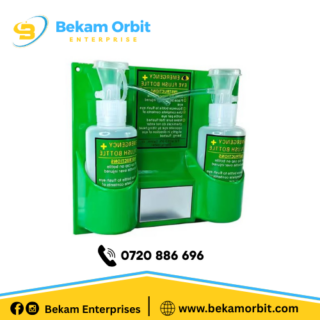
 wall-mounted with 1000 ml bottles emergency eye wash station
KSh9,000.00
wall-mounted with 1000 ml bottles emergency eye wash station
KSh9,000.00 -
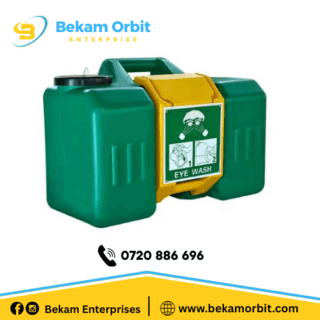
9-Gallon Gravity-Flow Portable Eye Wash Station
KSh17,000.00
-
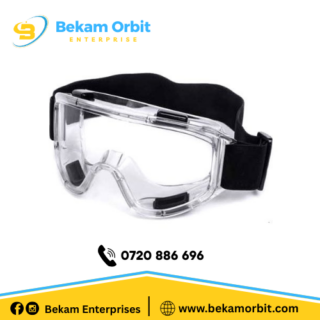
Lab Safety Goggles
KSh400.00
-
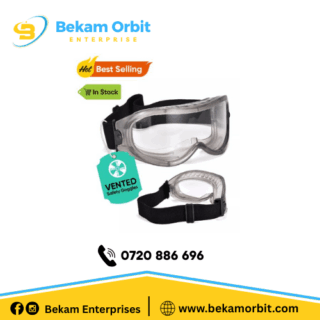
Over Glasses Safety Goggles
KSh700.00
-
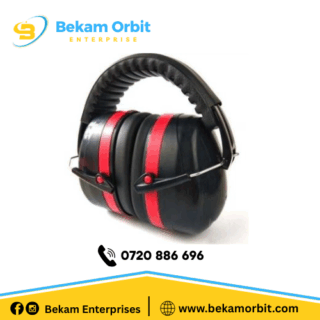
Safety Noise Cancelling Earmuffs
KSh1,300.00
-
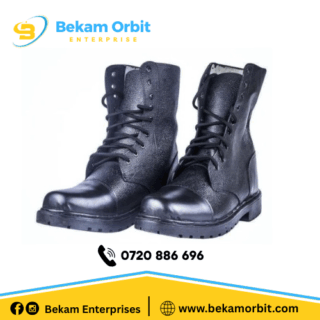
Askari Security Boots
KSh1,800.00
-
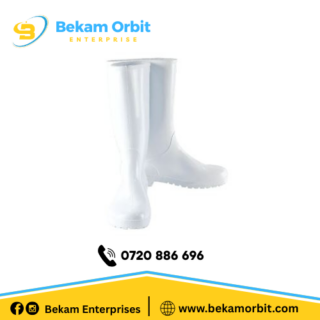
White light duty gumboots
KSh800.00
-
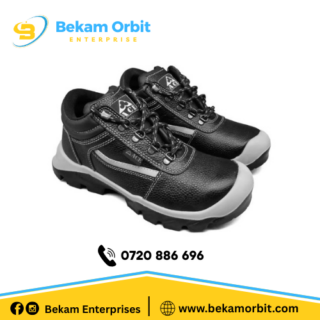
Ace Duma Safety Shoes
KSh3,100.00