Recently Viewed Products
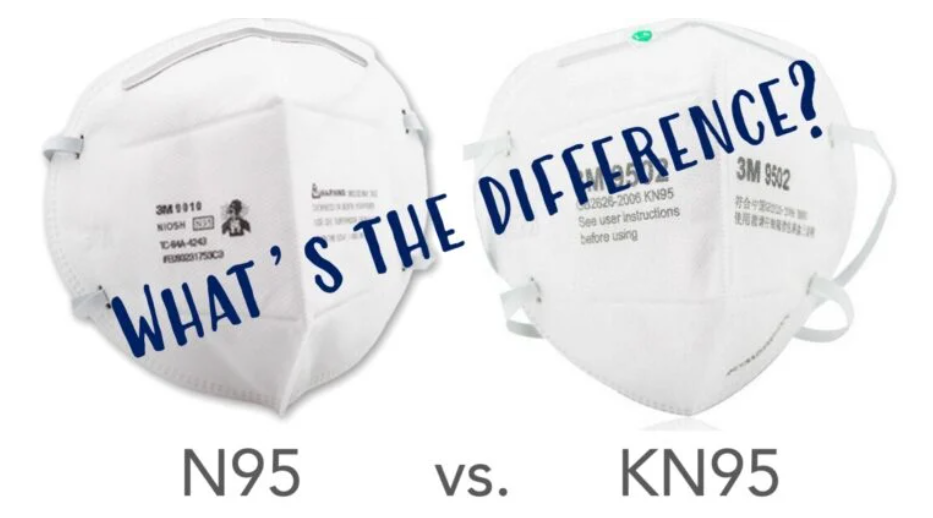
N95 vs KN95 Masks in Kenya: Key Differences, Standards, Fit & What to Buy
If you’ve ever searched “N95 vs KN95 masks in Kenya”, you’ve probably noticed a lot of sellers treat them as identical. In real life, both can be excellent at filtering airborne particles—but standards, fit, and authenticity are where most buyers get it wrong. (Molekule)
This guide explains the difference between N95 and KN95 masks, how to verify authenticity, and what to choose for common Kenyan use cases, such as construction dust, grinding, hospital settings, cleaning chemicals, and polluted urban air.
N95 vs KN95 masks in Kenya: Which One Should You Choose?
- N95 is a respirator certified in the U.S. by NIOSH under strict approval/oversight systems.
- KN95 complies with the Chinese standard GB 2626 (commonly GB 2626-2019 for packaging/markings) and is not NIOSH-approved.
- On paper, both target ~95% filtration for certain non-oil particles, but the seal on your face matters as much as the filter.
- In practice, a well-fitting, genuine KN95 can provide good protection, but a poorly fitting (or fake) mask—N95 or KN95—can perform poorly.
Comparison table: N95 vs KN95 masks
| Feature | N95 Respirator | KN95 Mask |
|---|---|---|
| Standard | U.S. approval system (NIOSH) | China GB 2626 (often GB 2626-2019 shown) |
| Typical straps | Often head straps (better sealing for many users) | Often ear loops (may reduce seal unless well designed/tight) |
| Seal/fit importance | High—tight seal reduces leakage | High—leaks reduce protection even if filter is “95” (MFI Medical) |
| Authenticity risk | Still possible to see fakes or mislabeled products | Higher risk of inconsistent quality across brands |
1) Standards explained (why the label matters)
What “N95” actually means
N95 is tied to a U.S. respirator certification system—approved products are tested and can be removed/deauthorized if they don’t meet requirements.
What “KN95” means
KN95 is built to the Chinese standard GB 2626, and many guidance resources recommend verifying the marking GB 2626-2019 when buying KN95 masks.
Are KN95 and N95 equivalent?
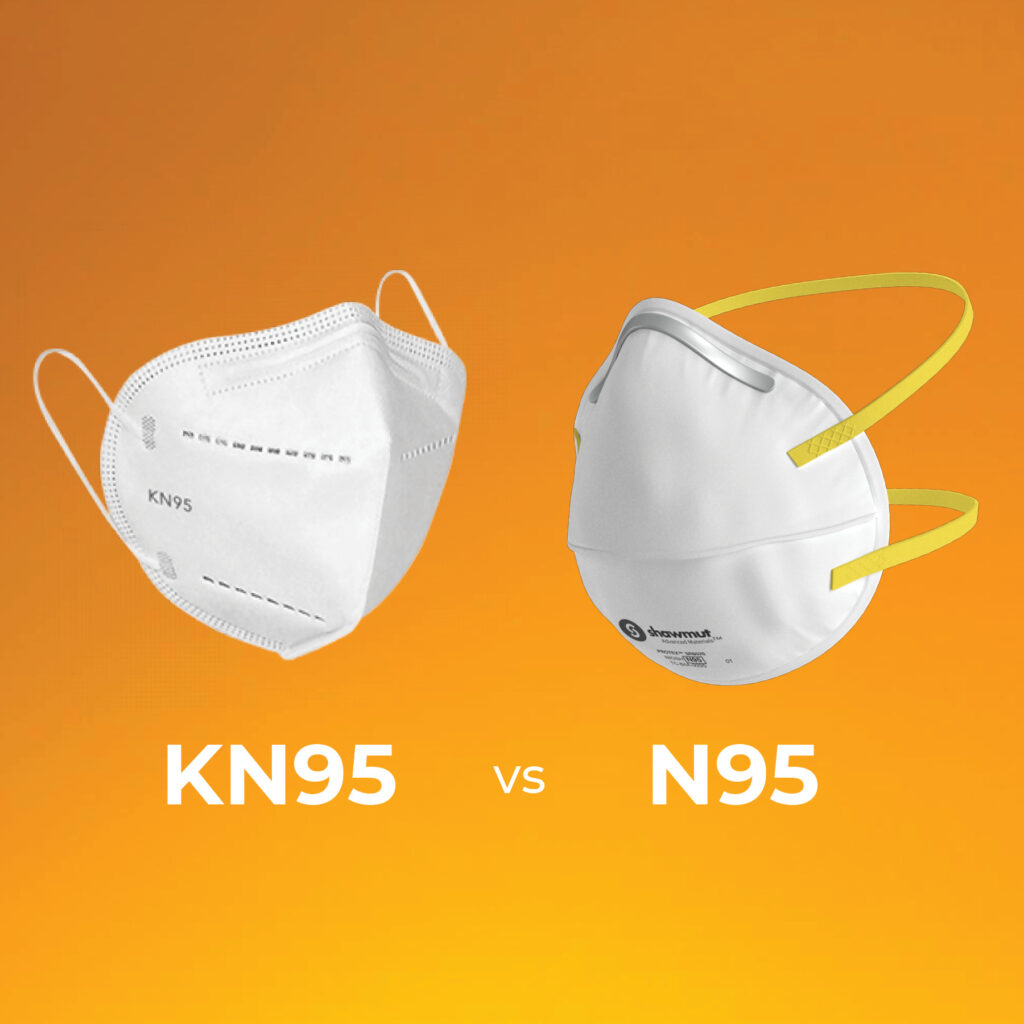
Several sources treat them as broadly comparable when the product is genuine and fits properly, and 3M publishes a comparison showing that KN95/FFP2-type classes can be considered “similar” to N95 for filtering non-oil-based particles (the keyword is “similar,” not “identical”).
2) The biggest difference in real life: fit and seal
A respirator’s filter can be excellent, but if air leaks around the cheeks or nose, unfiltered air gets in.
- Many N95 designs use head straps, which often achieve a tighter seal for more users.
- Many KN95 designs use ear loops, which can be comfortable but may reduce the seal unless the mask is high quality and tight (or uses a behind-the-head fastener).
- For workplace programs, fit testing is often recommended for the best results.
Kenya tip: In dusty jobs (construction, grinding, quarry work, cement handling), the seal is everything—if you see glasses fogging heavily or feel air rushing around the nose/cheeks, upgrade the fit (a better model, the correct size, or a proper reusable respirator).
3) Breathability and comfort (why some people remove masks)
Breathability can vary by standard/model. One comparison notes that KN95s may be allowed to restrict airflow more than N95s (which affects comfort during long shifts).
Practical buying tip: If your staff work 8–12 hours, prioritize:
- a reliable seal,
- comfortable nose foam/nose clip,
- breathable design,
- correct sizing.
4) The hidden problem: counterfeits and “fake N95” labels
Counterfeits are a ranking keyword for a reason—buyers keep getting burned.
One lab testing effort reported that some products labeled “N95” did not meet the expected filtration performance. (smartairfilters.com)
The CDC/NIOSH guidance highlights common red flags.
How to spot a suspicious N95 fast
According to CDC/NIOSH guidance, signs that an N95 may be counterfeit include missing required label markings, misspellings of “NIOSH,” decorative add-ons, and ear loops that don’t match the expected configuration (unless approved with a connecting fastener).
How to sanity-check a KN95 purchase
Look for GB 2626-2019 markings as a quick verification clue, and avoid “too cheap to be true” bulk deals with no documentation.
5) What should you buy in Kenya? (use-case guide)
A) Construction, sanding, grinding, cement, road works (heavy dust)
- Best: genuine N95 with a strong seal, or a reusable half-face respirator with the right particulate filters for repeated dusty exposure.
- Why: dust loads are heavy; you need consistent sealing and comfort.
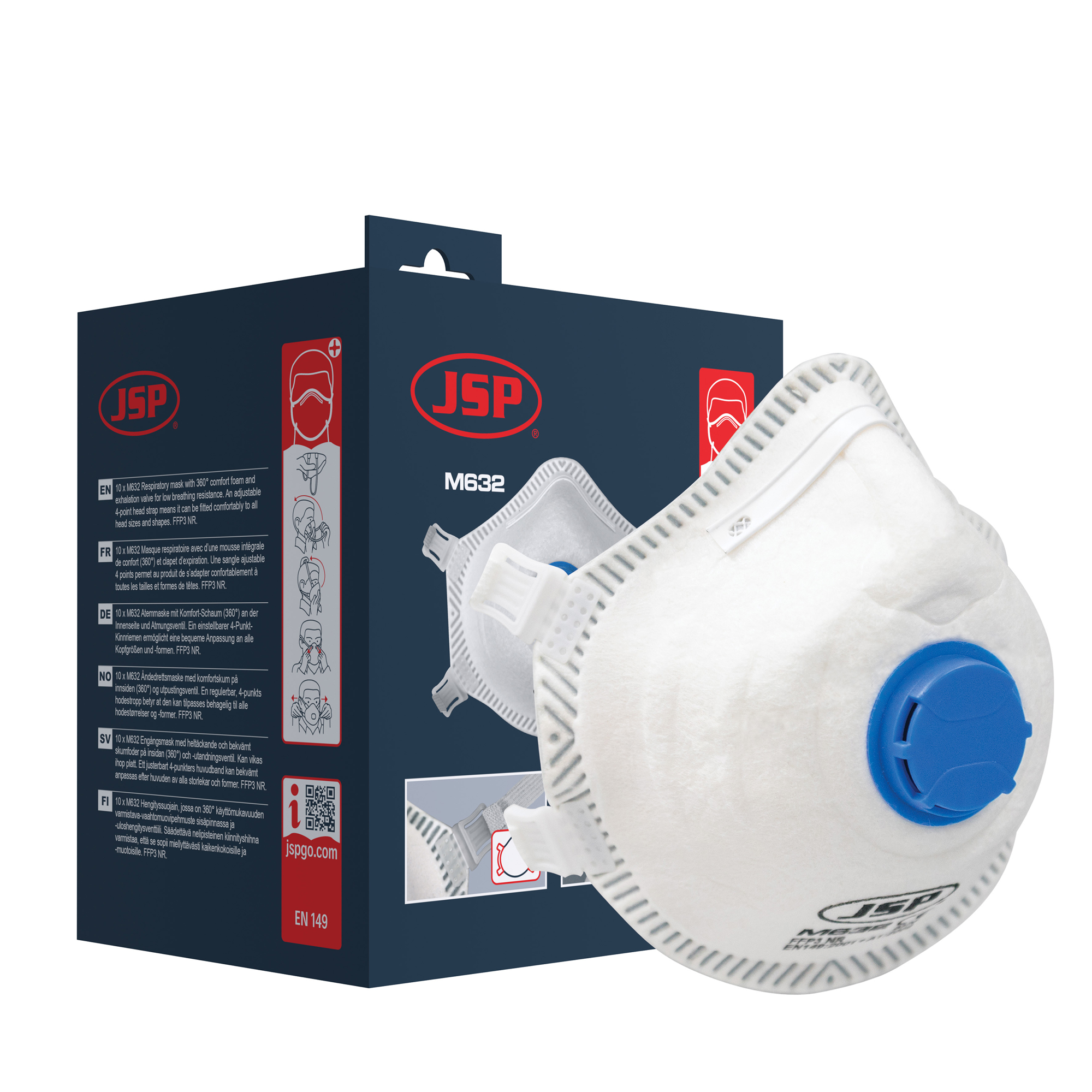
Looking for reliable respiratory protection in Kenya? Start by browsing our Respiratory Protection Equipment in Kenya category. If you want a proven disposable option for dust and
airborne particles, check the N95 3M 8210 particulate respirator. For frequent, heavy-duty use (construction, grinding, cement, or long shifts), upgrade to a reusable system from our Air
Purifying Respirators (APR) category.
B) Hospitals, clinics, salons, crowded indoor areas
- Best: a well-fitting N95/KN95, depending on policy and availability; prioritize seal and authenticity.
- If source control matters (protecting others), consider non-valved options.
C) Cleaning chemicals, solvents, strong fumes (NOT just dust)
A big mistake is using an N95/KN95 for chemical vapors. If your risk is gas or vapor (paint fumes, solvents, fuel fumes, strong cleaning chemicals), a particulate mask won’t protect you
properly—you need a proper respirator with the correct cartridges, not just an N95/KN95. Start with a reliable Chemical respirator mask, or upgrade to maximum coverage with the 3M 6800 full face respirator.
D) Everyday errands, low-risk outdoor use
- A basic mask may help with large droplets and general dust, but it won’t seal as well as a respirator.
A medical-style comparison: basic/surgical masks are loose-fitting, while N95/KN95 are designed for higher filtration and (when sealed) higher protection. (MFI Medical)
6) N95 vs KN95 vs surgical masks (don’t mix them up)
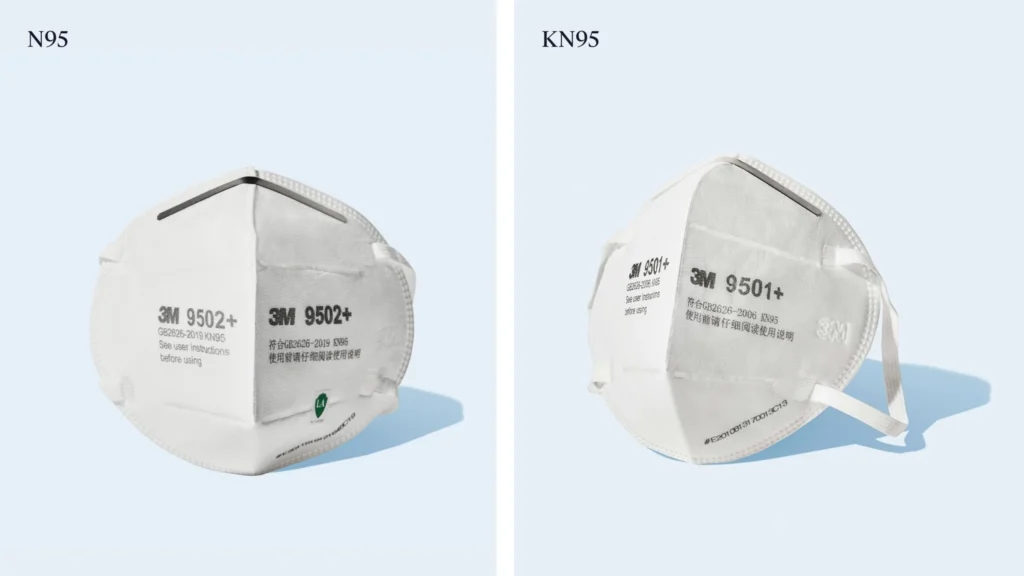
A simple way to explain it:
- N95/KN95 = higher filtration of airborne particles when properly sealed.
- Surgical/basic masks: looser fit; mainly block larger droplets/splashes; easier to wear.
Not sure whether you need a mask or a respirator? Read our simple guide: Respirators vs Masks in Kenya.
FAQs
1) Which is better: N95 or KN95?
Neither is automatically “better.” A genuine mask and a good fit are what matter most.
2) Is KN95 the same as N95?
They’re built to different standards, but are often considered similar for filtering non-oil particles when authentic and well-fitting.
3) How do I check if an N95 is real?
Check for correct markings and avoid common counterfeit signs, such as misspelled “NIOSH” or missing required labels.
4) What should I look for on a KN95 mask?
Look for GB 2626-2019 on the mask/packaging and buy from reputable suppliers.
5) Are valved masks okay?
Valves can improve comfort, but they may not filter exhaled air as well as non-valved designs (so some settings prefer non-valved).
6) Can I reuse an N95/KN95?
Many are intended to be disposable; some guidance allows limited reuse if clean/undamaged, but workplace policies vary.


Product Gallery
Featured Products
-
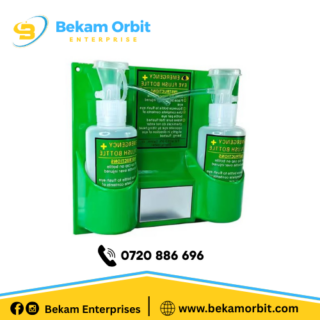
 wall-mounted with 1000 ml bottles emergency eye wash station
KSh9,000.00
wall-mounted with 1000 ml bottles emergency eye wash station
KSh9,000.00 -
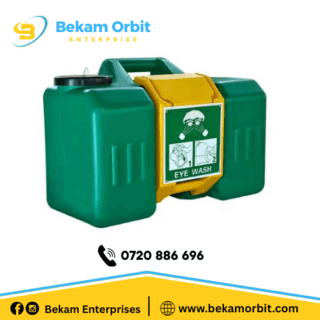
9-Gallon Gravity-Flow Portable Eye Wash Station
KSh17,000.00
-
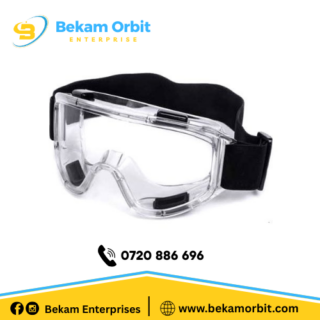
Lab Safety Goggles
KSh400.00
-
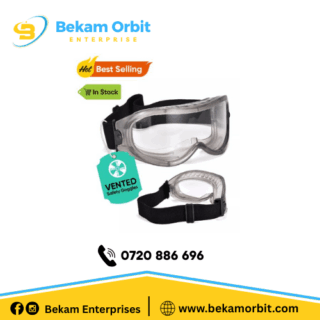
Over Glasses Safety Goggles
KSh700.00
-
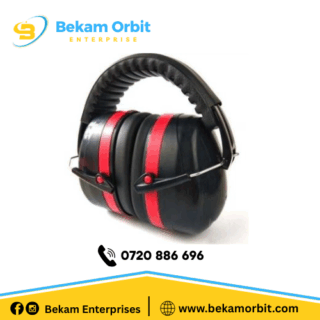
Safety Noise Cancelling Earmuffs
KSh1,300.00
-
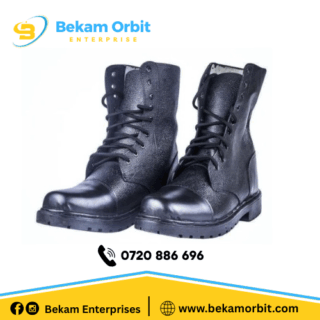
Askari Security Boots
KSh1,800.00
-
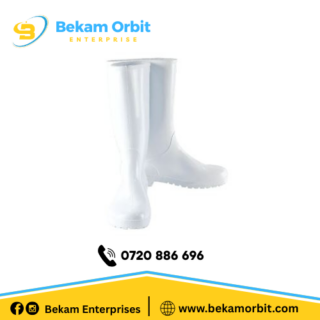
White light duty gumboots
KSh800.00
-
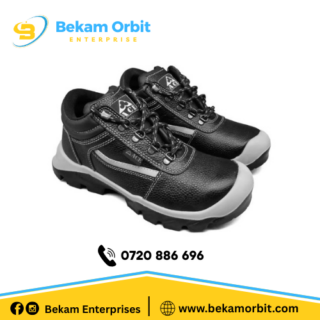
Ace Duma Safety Shoes
KSh3,100.00