Recently Viewed Products
Safety Glasses vs Safety Goggles in Kenya: What’s the Difference & What Should You Buy?
If you’re shopping for eye PPE in Nairobi or anywhere in Kenya, the biggest mistake people make is assuming safety glasses and safety goggles are interchangeable. They’re not.
In real worksites—construction, grinding, welding, labs, pest control, and manufacturing—the “right” choice depends on one key idea:
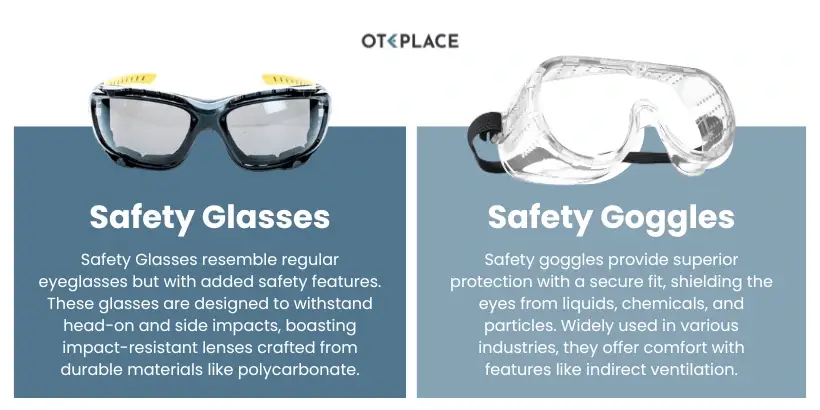
Glasses primarily protect against impact from the front and sides. Goggles provide a seal that blocks dust, splashes, and fine airborne particles from multiple directions. (sourcesbg.com.au)
The real difference: coverage vs seal
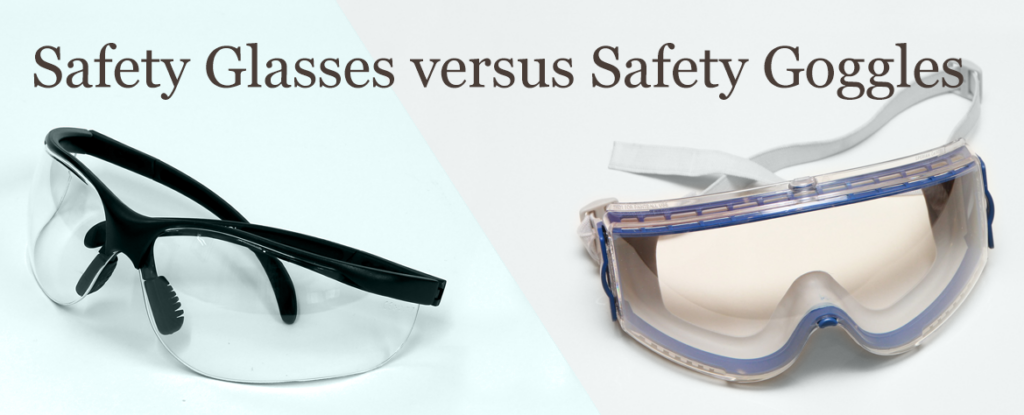
Safety glasses (spectacles)
Safety glasses look like normal glasses but use impact-resistant lenses (often polycarbonate) and side coverage (wraparound or side shields). They’re commonly chosen for general impact risks like chipping, drilling, light grinding dust, and flying debris.
Safety goggles
Safety goggles use a strap and typically create a seal around the eyes. That seal is what makes goggles the better choice for chemical splash, high dust, fine particles, mist/spray, and hazards that can enter from multiple angles. (oteplace.com)
Quick comparison table
| Feature | Safety Glasses | Safety Goggles |
|---|---|---|
| Fit | Temple arms (like sunglasses) | Strap + enclosed frame |
| Protection style | Front + side impact (varies by design) | Full coverage + seal |
| Best for | Flying debris, basic dust, and general workshop work | Chemical splash, fine dust, spray/mist, high-exposure tasks |
| Comfort | Usually lighter + cooler | Can feel warmer; anti-fog & vent style matters |
| Fogging | Can fog; depends on coating/venting | Can fog more without anti-fog/indirect vents |
The table above aligns with what most PPE guides emphasize: goggles are about sealing and higher coverage, while glasses are lighter and well-suited for many impact-only tasks.
When safety glasses are the better choice (common Kenya use-cases)
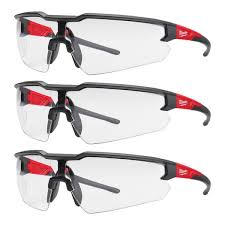
Choose safety glasses when the hazard is mostly impact, and you want comfort for long hours:
- Construction & site work: cutting, drilling, hammering, masonry dust (light-to-moderate)
- Workshops & fabrication: handling tools, light grinding where debris isn’t “spraying back.”
- Warehouse & logistics: basic eye protection against knocks and minor particles
- Outdoor jobs: choose UV-rated lenses where sunlight is intense
If you’re buying for all-day wear, prioritize:
- wraparound coverage or side shields
- anti-scratch + anti-fog coatings
- standards marking (EN 166 / ANSI Z87.1) (Uvex Safety)
Browse some of our items
When safety goggles are non-negotiable
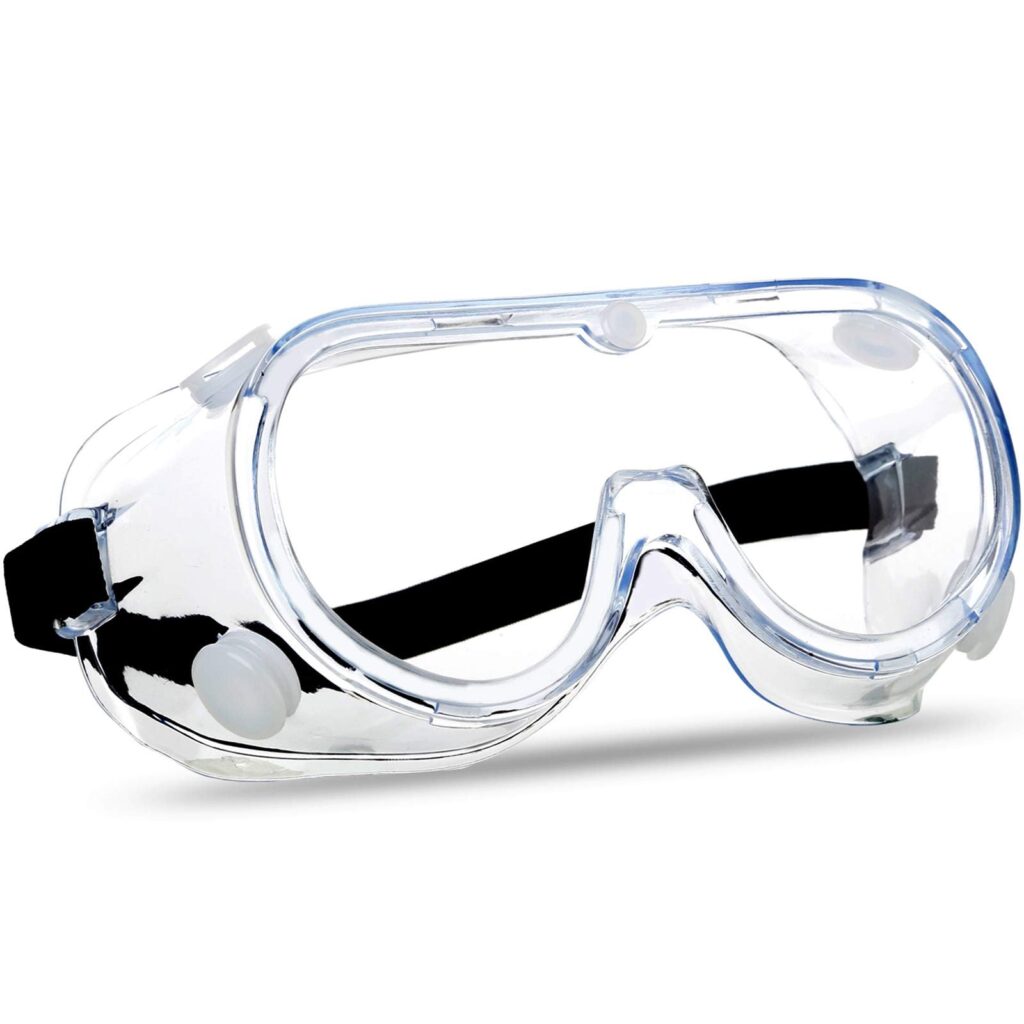
Pick safety goggles when you need that extra barrier against entry around the eyes:
- Chemical handling/cleaning chemicals: splashes, droplets, caustics, solvents
- Labs & healthcare settings: liquid splash + aerosol risks
- High dust / fine particles: sanding, heavy grinding, cement mixing, powdery environments
- Spray/mist tasks: pesticide spraying, disinfectant spraying, paint/solvent mist
Most guides describe goggles as providing a tighter, more complete seal that better keeps out splashes, chemicals, and airborne particles.
- Heavy Duty Clear Safety Goggles (Anti-Fog, Indirect Vent)
- Over Glasses Safety Goggles (Wear Over Prescription)
- Lab Safety Goggles (EN166 / ANSI Z87.1)
Vents, anti-fog, and comfort: what buyers in Nairobi get wrong
Fogging isn’t “just annoying”—it causes people to remove PPE, which defeats the point.
- Indirect-vented goggles are commonly preferred for splash and dust because they help reduce fogging while limiting direct entry of liquids/particles. (oteplace.com)
- Standards guidance also acknowledges fogging can happen and that fit matters (especially for goggles). (OSHA)
Practical buying tip (Kenya reality):
If your team works in heat/ humidity or moves between hot/cool zones (outdoors ↔ indoors), make anti-fog a must-have feature.
Standards & markings to look for in Kenya (EN 166, ANSI Z87.1, KEBS)
In Kenya, you’ll commonly see products marked with EN 166 (Europe) and/or ANSI Z87.1 (US). These markings help you avoid “fashion glasses” being sold as PPE.
EN 166 (Europe)
EN 166 is a broad standard for personal eye protection. Markings can indicate impact level and optional protections. For example, 3/4/5 markings are often used for liquid splash, dust, and fine particles (depending on the protector type). (Uvex Safety)
ANSI/ISEA Z87.1 (US)
Z87.1 eyewear is typically marked Z87 (basic impact) or Z87+ (high impact). You may also see:
- D3 (droplet/splash), D4 (dust), D5 (fine dust) (Safety Glasses USA)
Kenya compliance angle
Kenya’s Occupational Safety and Health Act, 2007, includes a specific requirement for eye protection in certain processes (employers must provide suitable goggles/screens) and requires protection against exposure to electric arc welding flashes for people not involved in welding.
Also, the Kenya Bureau of Standards maintains standards on eye/face protection (e.g., KS ISO 16321-1 related listings), which is helpful when dealing with procurement, audits, and tender requirements.
Do you ever need BOTH goggles and a face shield?
Yes.
If you’re dealing with high-energy grinding, chemical pouring, or arc/heat risks, the best practice is to layer protection: goggles or safety glasses underneath and a face shield on top. (ISEA)
A simple decision guide (fast)
Choose Safety Glasses if:
- hazard = flying particles/debris (no splash/mist)
- You need lighter, cooler PPE for long shifts
Choose Safety Goggles if:
- hazard = chemical splash, mist/spray, fine dust, high exposure
- You need a seal around the eye area
Choose Goggles + Face Shield if:
- hazard = heavy grinding chips, high splash risk, or higher face exposure (ISEA)
Read Next
- Construction Safety Glasses
- Respiratory Protection – Masks & Respirators Kenya
- Safety Helmets & Head Protection in Kenya
- Work Gloves / Hand Protection in Kenya
FAQs
1) Are safety glasses as protective as safety goggles?
Not in splash/high-dust situations. Safety glasses are effective for impact hazards, but goggles provide a seal that blocks entry from more angles—better for chemicals, mist, and fine particles.
2) What does EN 166 mean on eyewear in Kenya?
It indicates that the eyewear is tested to the EN 166 personal eye protection standard, with markings that indicate impact ratings and optional protections, such as liquid splash or dust coverage.
3) What does Z87 or Z87+ mean?
They’re ANSI Z87.1 markings: Z87 is basic impact; Z87+ indicates high-impact. Additional markings, such as D3/D4/D5, relate to splash/dust/fine dust use.
4) How do I reduce fogging on goggles in Kenya’s heat?
Choose anti-fog coated lenses and consider indirect-vent designs; ensure a correct fit and clean lenses properly. Fogging is a recognized usability issue, so anti-fog features matter.
5) Is eye protection legally required in Kenyan workplaces?
Kenya’s OSH Act includes provisions requiring eye protection (goggles/screens) in specified processes and protections around arc-welding exposure. Employers should treat it as a compliance and safety priority.


Product Gallery
Featured Products
-
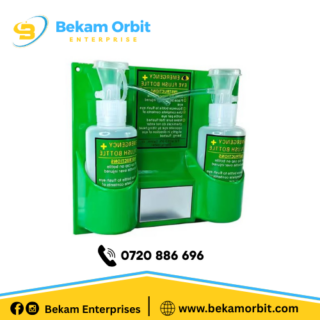
 wall-mounted with 1000 ml bottles emergency eye wash station
KSh9,000.00
wall-mounted with 1000 ml bottles emergency eye wash station
KSh9,000.00 -
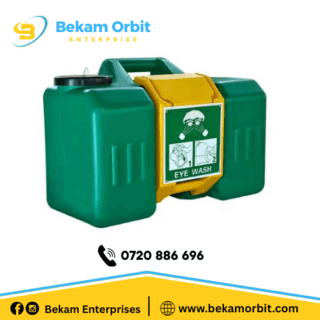
9-Gallon Gravity-Flow Portable Eye Wash Station
KSh17,000.00
-
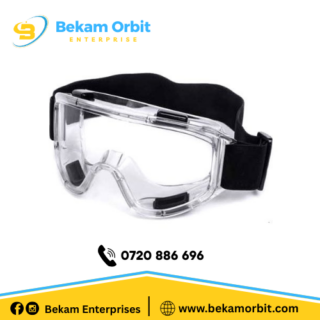
Lab Safety Goggles
KSh400.00
-
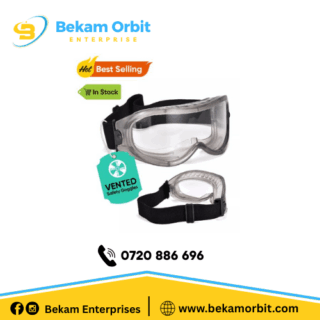
Over Glasses Safety Goggles
KSh700.00
-
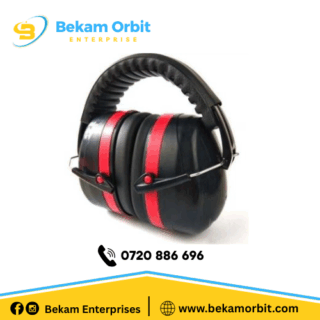
Safety Noise Cancelling Earmuffs
KSh1,300.00
-
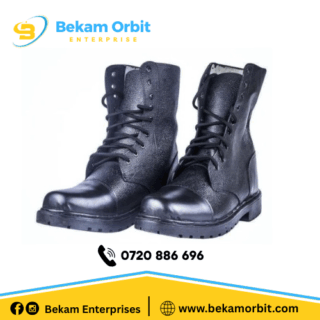
Askari Security Boots
KSh1,800.00
-
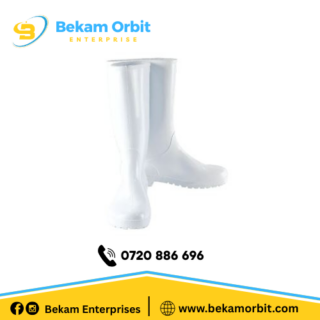
White light duty gumboots
KSh800.00
-
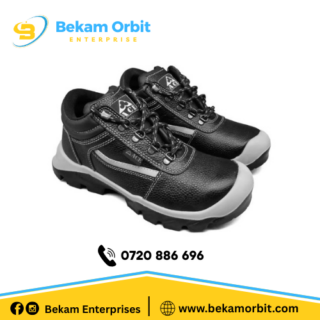
Ace Duma Safety Shoes
KSh3,100.00