
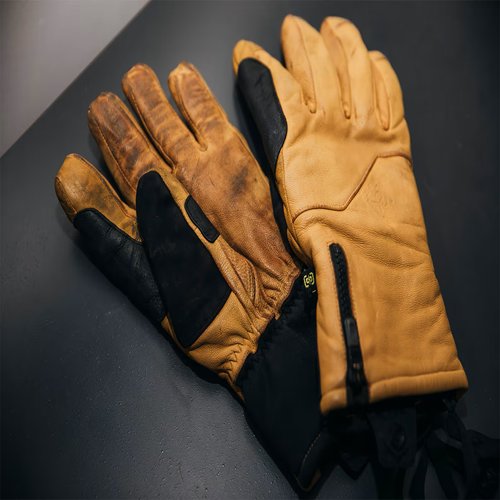
How to Maintain Leather Gloves: Cleaning, Drying & Storage Tips for Longer Life in Kenya
If you use leather gloves for welding, fabrication, workshop work, site tasks, farming, riding, or general outdoor work, proper care makes a big difference.
This guide shows you how to maintain leather gloves the right way — so they stay softer, last longer, and continue protecting your hands well. The goal is simple: clean only when needed, dry correctly, condition lightly, and store properly. Guidance from glove makers and care specialists consistently warns against soaking, overheating, or machine-washing leather gloves.
If you’re buying or replacing gloves, you can also browse leather and canvas gloves in Nairobi and compare options for your work environment.
Why Leather Gloves Need Proper Maintenance
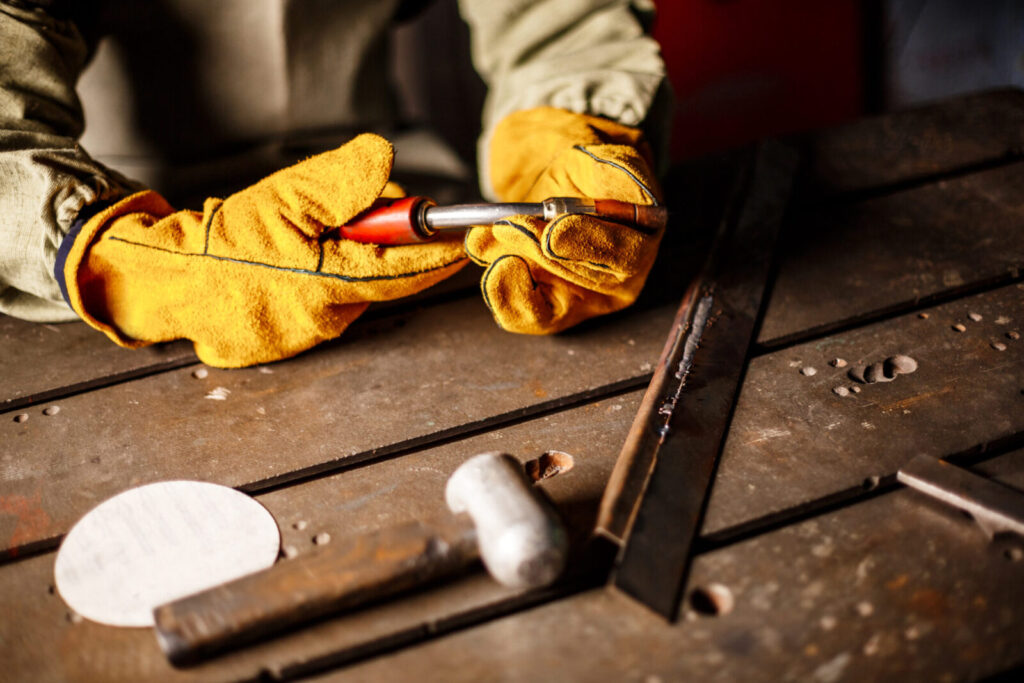
Leather is durable, but it can still dry out, stiffen, crack, lose shape, or fade if handled badly during cleaning and drying. Several glove care guides emphasize that heat, over-wetting, and harsh cleaning are common causes of damage. (Dents)
Proper leather glove maintenance helps you:
Keep the gloves flexible and comfortable
reduce premature cracking and stiffness
preserve shape and fit
extend usable life
reduce replacement costs over time
Droppe also notes maintenance supports safety and functionality by helping gloves remain usable and protective for longer. (Droppe)
Before You Clean: Identify the Type of Leather Gloves You Have
Before cleaning, check what kind of gloves you’re dealing with:
Leather work gloves/welding gloves (often split leather or reinforced leather)
Fashion or driving leather gloves (softer, finer leather)
Suede leather gloves (need extra care and different products)
Lined gloves (lining changes drying time)
This matters because care products and moisture tolerance differ by leather finish and glove construction. Dents specifically advises assessing how soiled the gloves are first, and using different approaches for lightly vs heavily soiled gloves.
How to Clean Leather Gloves (Light Dirt, Sweat & Daily Grime)
For routine care, the safest approach is gentle spot cleaning, not full washing.
Step 1: Remove loose dirt first
Use a soft cloth (or soft brush for dry dirt) to remove surface dust and grime before wiping. This reduces rubbing dirt deeper into the leather. Several care guides recommend starting gently and avoiding aggressive scrubbing.
Step 2: Use a slightly damp cloth (not wet)
Dents, Southcombe, and Leather Gloves Online all recommend gentle wiping with a damp cloth/sponge while avoiding saturation. Leather Gloves Online also suggests wiping while wearing the gloves to help you clean around seams and keep the shape.
Step 3: Spot test first
Dents recommends testing a small hidden area first before wiping the whole glove. This helps avoid discoloration or finish damage. (Dents)
Step 4: For greasy marks, use only a tiny amount of mild soap
Both Dents and Southcombe mention using a very small amount of mild detergent/soap for greasy stains, with gentle wiping only (no hard rubbing). Dents also warns against hot water and strong cleaning methods.
Step 5: Dab moisture off — don’t wring
After wiping, blot excess moisture with a dry cloth. Do not wring leather gloves; Dents warns this can distort the shape.
Important cleaning warning
Do not put leather gloves in a washing machine. Multiple glove care sources explicitly warn against machine washing and excessive water exposure. (Dents)
How to Dry Leather Gloves Properly (Without Cracking the Leather)
Drying is where many people accidentally ruin leather gloves.
The correct way to dry leather gloves
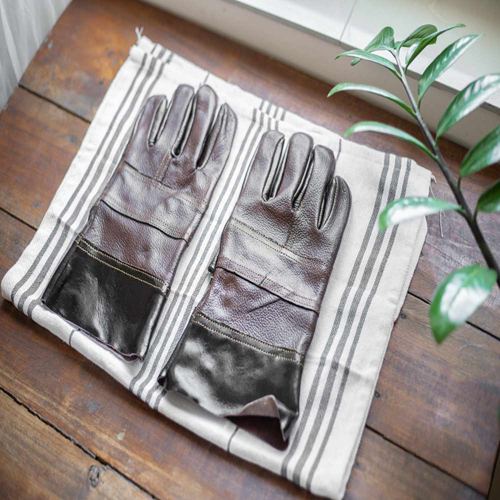
Place the gloves on a clean towel or flat surface and let them dry naturally at room temperature. Dents and Southcombe both warn against radiators, heaters, tumble dryers, hair dryers, and direct sunlight because heat can dry out the leather, harden it, and lead to cracking or shrinkage.
Leather Gloves Online also recommends room-temperature drying and avoiding sun/artificial heat, while putting the gloves on occasionally during drying to help maintain shape.
Reshape while damp
If the gloves got wet during cleaning or rain exposure, gently reshape them while damp. Dents and Droppe both mention reshaping/retaining fit during drying.
If gloves get wet at work
Droppe suggests patting off excess water, reshaping while damp, and air-drying away from direct heat. That’s a solid routine for leather work gloves care after light rain or moisture exposure.
When and How to Condition Leather Gloves
Conditioning helps replace some moisture and flexibility after cleaning or drying.
Droppe and Protective Leather Co both recommend periodic conditioning to reduce dryness and cracking, using a small amount of leather conditioner applied with a soft cloth.
How to condition leather gloves (basic method)
Make sure the gloves are clean and fully dry.
Apply a small dab of leather conditioner to a soft cloth.
Rub in gently (light circular motion works well).
Let the product absorb naturally.
Wipe off excess if needed.
Dents also mentions using a small dab of leather conditioner after drying (while checking product instructions first). (Dents)
How often should you condition?
There is no single perfect schedule because it depends on use, climate, and leather type. Droppe suggests conditioning every few months, or more often in dry climates/heavy use conditions. (Droppe)
For a Kenya worksite audience, a practical rule is:
more frequent conditioning if gloves are used outdoors, exposed to dust, or repeatedly dried after getting damp
less frequent conditioning for occasional-use gloves
How to Store Leather Gloves to Keep Their Shape
Good storage is part of how to maintain leather gloves properly.
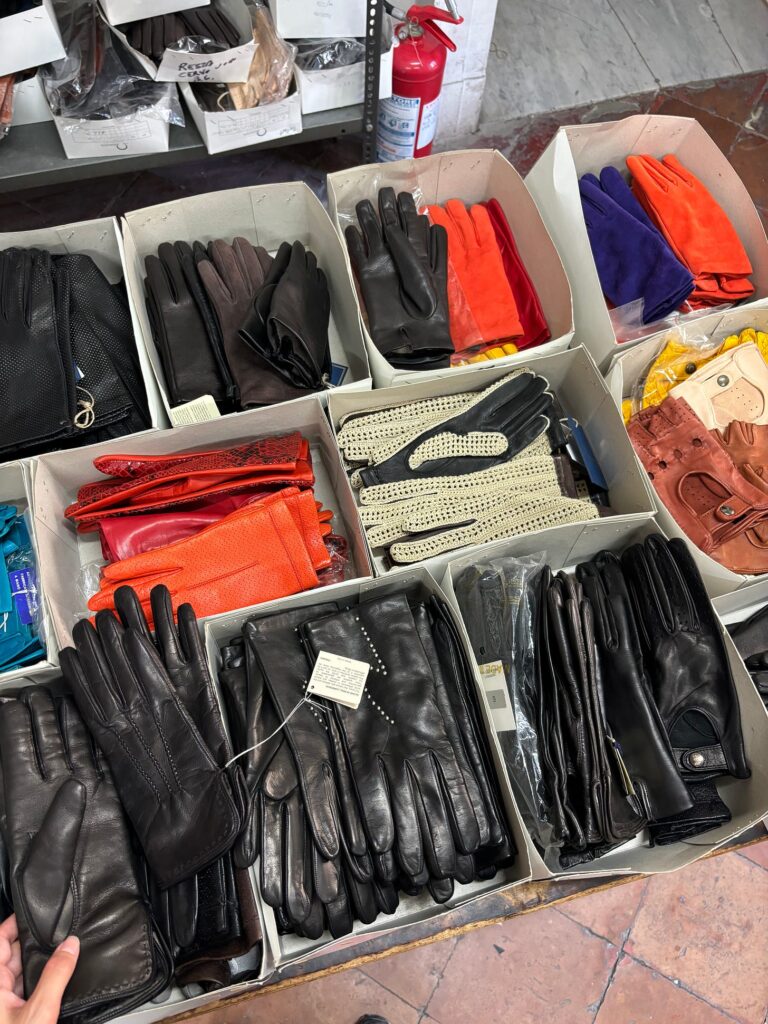
Southcombe recommends storing gloves flat in a clean, dry place. Protective Leather Co similarly advises cool/dry storage, avoiding folding/crumpling, and using breathable storage to reduce dust/moisture issues. Droppe also suggests breathable bag/box storage and avoiding crushing gloves under heavy items. (Southcombe Gloves)
Storage tips that work
Store in a clean, dry place
Keep away from direct sun and heat
Avoid stuffing gloves into toolboxes or tight pockets for long periods
Store flat if possible
Use a breathable pouch/bag (not airtight plastic if moisture is present)
Leather Gloves Online even highlights keeping gloves together in a pouch/bag to reduce dirt pickup and misplacement. (Leather Gloves Online)
Common Mistakes That Damage Leather Gloves Fast
If you want your leather gloves to last, avoid these common mistakes:
Machine washing leather gloves
Using too much water / soaking the leather
Drying on radiators/heaters / direct sun
Wringing wet gloves
Cleaning too often (only clean when needed)
Skipping inspection when gloves are used for work protection (tears, holes, loose seams, stiffness)
Worksite Tip: Caring for Leather Work Gloves vs Replacing Them
Maintenance helps a lot — but not every glove should be “saved.”
If your leather work gloves have:
holes,
torn seams,
badly stiff/cracked leather,
burned sections,
Major wear in fingertips/palm, they may no longer give reliable protection and should be replaced. Droppe specifically advises replacing gloves with significant damage because protection may be compromised.
For welding and workshop users, this is especially important because damaged leather can reduce protection against heat, sparks, and abrasion.
If you need replacements, see our:
FAQs: Leather Gloves Care and Maintenance in Kenya
1) How do I maintain leather gloves without damaging them?
Use gentle spot cleaning with a slightly damp cloth, dry them naturally at room temperature, avoid heat sources, and condition lightly when needed. Do not machine wash.
2) Can I wash leather gloves with water?
You can use a damp cloth for light cleaning, but avoid soaking leather gloves and avoid frequent washing. Several guides recommend minimal water exposure. (Dents)
3) Can I put leather gloves in a washing machine?
No. Multiple glove-care sources explicitly advise against machine washing leather gloves. (Dents)
4) How do I dry leather gloves after cleaning or rain?
Air-dry at room temperature on a towel/flat surface, away from direct sun and heaters. Reshape by wearing them briefly during drying if needed. (Dents)
5) How often should I condition leather gloves?
It depends on use and climate. A practical routine is every few months, or more often for heavily used gloves or dry conditions. Droppe suggests conditioning periodically and more often in dry climates.
6) How do I remove bad odor from leather work gloves?
One simple tip shared by Droppe is to sprinkle baking soda inside the gloves overnight, then shake it out and air-dry the gloves. (Droppe)
7) When should I replace leather work gloves instead of cleaning them?
Replace them when there are significant tears, holes, worn seams, cracks, or other damage that reduces protection and fit. (Droppe)
Final Thoughts: Better Care = Longer Glove Life
If you’ve been wondering how to maintain leather gloves, the answer is not complicated — just be gentle and consistent:
clean lightly,
dry naturally,
condition occasionally,
store properly,
Replace badly damaged pairs.
That simple routine can help your leather gloves last longer and perform better, whether you use them for welding, site work, workshop tasks, or everyday outdoor use.
For quality replacement options, browse leather and canvas gloves in Nairobi or explore more PPE & safety equipment in Kenya.
Read Next



Product Gallery

Featured Products
-
 wall-mounted with 1000 ml bottles emergency eye wash station
KSh9,000.00
wall-mounted with 1000 ml bottles emergency eye wash station
KSh9,000.00 -
9-Gallon Gravity-Flow Portable Eye Wash Station
KSh17,000.00
-
Lab Safety Goggles
KSh400.00
-
Over Glasses Safety Goggles
KSh700.00
-
Safety Noise Cancelling Earmuffs
KSh1,300.00
-
Askari Security Boots
KSh1,800.00
-
White light duty gumboots
KSh800.00
-
Ace Duma Safety Shoes
KSh3,100.00