Motorcycle Helmet Standards in Kenya: ECE 22.06, DOT, Snell & What They Mean for Riders
If you are shopping for rider helmets, understanding motorcycle helmet standards in Kenya is one of the most important parts of making the right choice. Many buyers focus on helmet style, price, or appearance first, yet the real difference between a basic helmet and a safer helmet often comes down to certification and testing. That is why motorcycle helmet standards in Kenya matter so much for riders, passengers, resellers, and bulk buyers. Kenya’s motorcycle rules require riders and passengers to wear the prescribed protective gear properly fastened, while KEBS lists KS 77:2012 — Protective helmets for motorcyclists — Specification among its approved standards. (kebs.org)
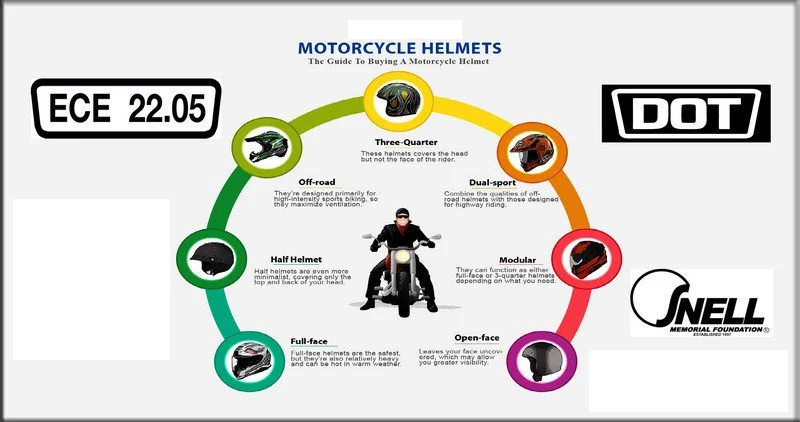
In practical terms, understanding motorcycle helmet standards in Kenya helps you compare helmets marked ECE 22.06, DOT, Snell, or SHARP without getting confused by stickers alone. A real motorcycle helmet standard tells you that a helmet has been tested for things like impact protection, chin-strap performance, helmet structure, and labeling. That matters far more than a helmet simply looking strong on the outside. (UNECE)
If you want to compare products as you read, start with motorcycle helmets in Kenya or browse the wider head protection gear in Kenya.
Why Motorcycle Helmet Standards in Kenya Matter
A helmet can look solid and still fail to offer proper protection if it has not been tested to a recognized standard. NHTSA warns that some novelty helmets do not meet real motorcycle safety requirements, and says compliant helmets generally have clear DOT marking, thicker liners, sturdier straps, and more substantial construction than unsafe novelty helmets. That is why motorcycle helmet standards in Kenya are not just technical labels — they are one of the clearest ways to separate a genuine rider helmet from a poor-quality one. (nhtsa.gov)
For Kenya buyers, this becomes even more important because local compliance and product quality often intersect with imported international standards. KEBS product-registration guidance allows registration based on internationally recognized conformity schemes, accredited test reports, or certification by the standards body in the country of origin, which means international helmet approvals are very relevant in the Kenyan market.
The Main Motorcycle Helmet Standards in Kenya Riders Should Know
The main motorcycle helmet standards in Kenya that buyers are most likely to come across are:
ECE 22.06
DOT FMVSS No. 218
Snell
SHARP
KEBS / KS 77:2012
Each of these plays a different role. Some are legal certification systems, some are manufacturer declarations backed by enforcement, and some are independent rating or third-party certification systems. (kebs.org)
ECE 22.06 Helmet Standard in Kenya

Among the most important motorcycle helmet standards in Kenya, ECE 22.06 is one of the clearest modern standards for road-use helmets. UNECE materials describe Regulation No. 22 as the framework that defines what manufacturers must do to produce and test an effective motorcycle crash helmet. SHARP says ECE R22-06 uses tougher and more realistic testing than ECE R22-05, and that helmets marked ECE R22-06 offer better protection than those marked ECE R22-05. (UNECE)
In practical buyer terms, ECE 22.06 entails tougher testing, more realistic accident-style scenarios, and clearer classification of helmet types. SHARP explains that J is used for open-face or jet helmets, P for helmets with a protective chin bar, and PJ for modular or flip-front helmets. For many road riders in Kenya, ECE 22.06 is one of the strongest modern approvals to prioritize. (SHARP)
If you want to compare road-use options, a natural supporting internal link here is Motorcycle Safety Helmet.
DOT Standard and Motorcycle Helmet Standards in Kenya
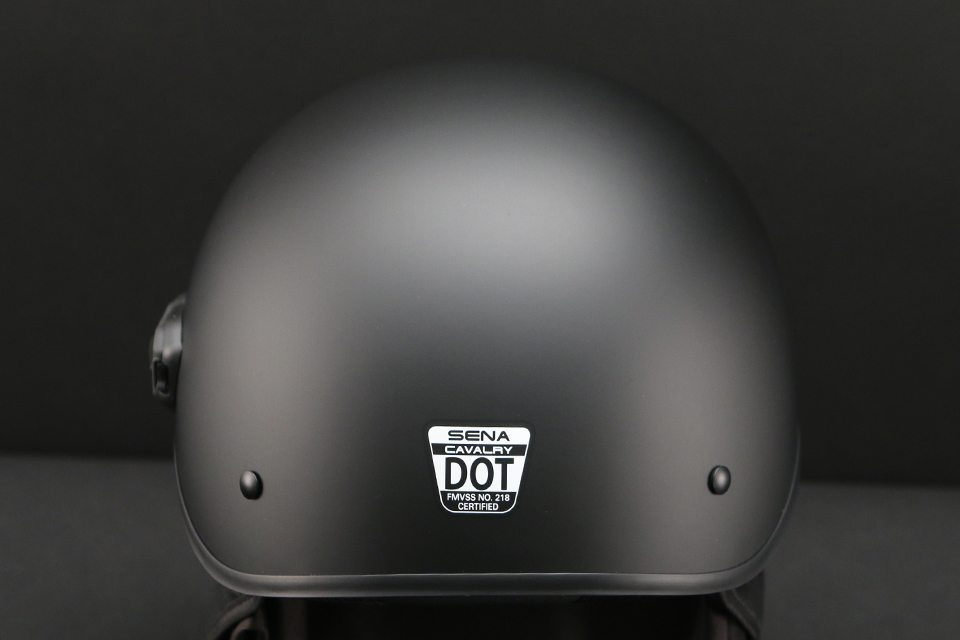
Another major part of motorcycle helmet standards in Kenya is DOT, officially FMVSS No. 218 in the United States. NHTSA says the DOT symbol on the outside back of the helmet means the manufacturer certifies that the helmet meets FMVSS No. 218. NHTSA also makes it clear that DOT works through manufacturer self-certification, with NHTSA later testing helmets and taking enforcement action where needed.
What does DOT testing involve? NHTSA’s compliance procedure includes visual and dimensional inspection, impact attenuation, penetration resistance, and retention-system strength. In simple terms, DOT is checking whether the helmet can absorb impact, resist penetration, and keep the strap system secure under load. For Kenya buyers, the lesson is simple: DOT is a real standard, but because it is self-certified by the manufacturer, seller credibility and helmet quality matter a lot.
Snell and Motorcycle Helmet Standards in Kenya
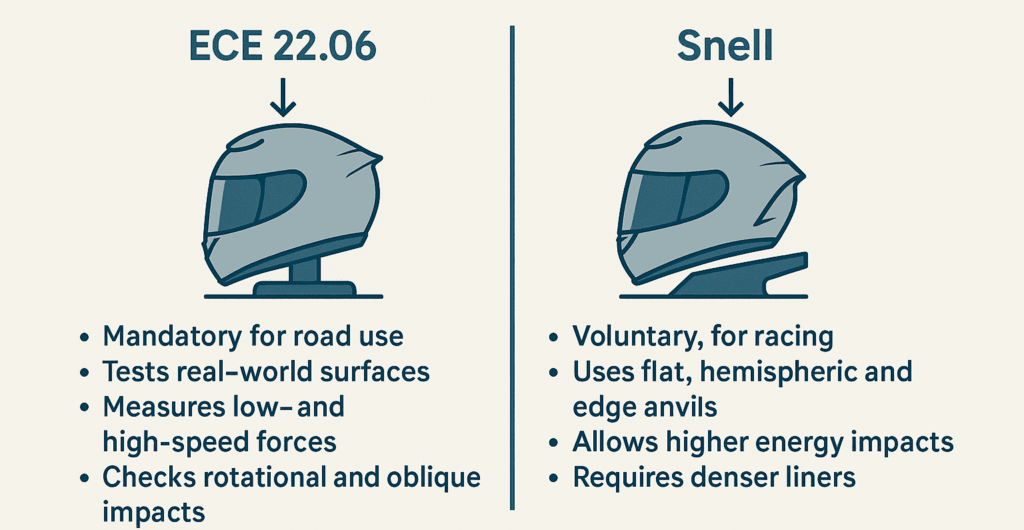
Snell is another name buyers often see when researching motorcycle helmet standards in Kenya, especially when looking at premium helmets. Snell is a voluntary third-party certification run by the Snell Memorial Foundation, not a government regulator. Snell says it has released new M2025 motorcycle standards, and its published documentation distinguishes between M2025D and M2025R. Snell explains that M2025D mainly applies to helmets that must also meet standards such as DOT and JIS, while M2025R applies to helmets that, in addition to DOT and JIS, also meet ECE R22-06. (smf.org)
For buyers, Snell is useful because it adds a third-party layer of confidence. Snell also says certified helmets carry a serialized Snell certification label inside the helmet. That makes Snell especially useful for riders who want something above the base legal mark and who are comparing higher-end helmets for road or performance use.
SHARP and What It Means
When discussing motorcycle helmet standards in Kenya, some buyers also come across SHARP. SHARP is not the same as ECE or DOT. It is the UK government’s Safety Helmet Assessment and Rating Programme, designed to help riders compare helmets that already meet the minimum legal standard. In other words, SHARP is not a replacement for certification — it is an extra comparison tool. (SHARP)
That means SHARP is useful when comparing two certified helmets and trying to understand which one may offer more protection above the minimum. For Kenya riders, SHARP is best treated as a buyer aid rather than the core compliance mark itself.
KEBS and Local Motorcycle Helmet Standards in Kenya
No serious guide to motorcycle helmet standards in Kenya is complete without the local standards angle. KEBS lists KS 77:2012 for protective helmets for motorcyclists, and Kenya’s motorcycle rules require the helmets supplied with motorcycles to comply with Kenya Bureau of Standards requirements. That means local buyers should not ignore compliance just because a helmet carries a well-known foreign mark. (kebs.org)
In practical terms, the safest buying approach in Kenya is to combine the local compliance mindset with recognized international approvals. That is why buyers should look at both the helmet standard and the source of the product before purchasing. (kebs.org)
What Motorcycle Helmet Standards in Kenya Actually Test
When people ask what motorcycle helmet standards in Kenya actually entail, the simplest answer is that they test whether a helmet can protect the rider under controlled conditions. Depending on the standard, the tests may cover:
impact absorption
penetration resistance
retention system/chin strap strength
labeling and traceability
helmet structure and coverage
field of vision
helmet type classification
DOT’s official procedure explicitly includes impact attenuation, penetration, and retention-system checks, while ECE 22.06 and related UNECE materials reflect broader, more realistic impact-style testing and classification updates.
How to Read a Helmet Before Buying
If you want to use motorcycle helmet standards in Kenya practically, inspect the helmet carefully before buying.
Start by checking:
the standard mark
where the mark is placed
internal labels or serial stickers
shell finish
strap and buckle quality
liner thickness
overall fit
If it is DOT, NHTSA says to check for the DOT mark on the outside back and to be alert for warning signs of unsafe novelty helmets, such as poor liner thickness, weak straps, or suspiciously low weight. If it is Snell, look for the certification label inside. If it is ECE 22.06, check for the correct ECE marking and internal approval label. (nhtsa.gov)
How to Choose a Safer Rider Helmet in Kenya
The smartest way to use motorcycle helmet standards in Kenya is to combine certification knowledge with practical buying sense.
Start with a recognized standard such as ECE 22.06, DOT, or Snell, where relevant. Then check whether the helmet suits your riding style, whether it fits properly, and whether it comes from a credible supplier. NHTSA advises buyers to make sure the helmet is the correct shape and size for the head, while its guidance also warns against buying novelty helmets.
For Kenyan buyers, this is the simplest rule: a helmet standard matters, but the helmet still needs to be genuine, properly fitted, and appropriate for the riding environment.
Common Mistakes Buyers Make with Motorcycle Helmet Standards in Kenya
One common mistake is assuming that every sticker means the same thing. It does not. ECE is a type-approval framework, DOT is self-certification backed by enforcement, Snell is a voluntary third-party certification, and SHARP is a comparative rating system rather than the legal mark itself.
Another mistake is focusing only on the standard and ignoring fit, ventilation, or helmet type. Even a well-certified helmet can be the wrong choice if it does not fit properly or if it is bought for the wrong riding environment. NHTSA specifically recommends checking helmet shape and wearing the helmet long enough to identify pressure points before riding with it.
Conclusion
Understanding motorcycle helmet standards in Kenya helps you choose a helmet that is safer, more credible, and better suited to your riding needs. Whether you are comparing ECE 22.06, DOT, Snell, or looking at KEBS expectations, the goal is the same: buy a helmet that has been properly tested, fits correctly, and matches your riding environment.
The best buying approach is not to chase the cheapest shell or the most attractive design. The smarter approach is to understand the motorcycle helmet standards in Kenya, know what those standards actually mean, and use that knowledge to choose a helmet that offers better protection and better value over time. If you want to compare product options while keeping standards in mind, start with motorcycle helmets in Kenya or browse the broader head protection gear in Kenya.
FAQs
What is the best standard to look for in rider helmets in Kenya?
For many road riders, ECE 22.06 is one of the clearest modern standards to prioritize when comparing motorcycle helmet standards in Kenya because it is newer than ECE 22.05 and SHARP says its tests are more like real-world accidents.
Is DOT a real motorcycle helmet standard?
Yes. DOT FMVSS No. 218 is a real motorcycle helmet standard, but it works through manufacturer self-certification backed by NHTSA enforcement testing.
Is Snell better than DOT?
Snell is different, rather than simply better. It is a voluntary third-party certification, while DOT is a government standard based on self-certification and enforcement testing.
Is SHARP a helmet certification?
No. SHARP is a rating programme, not the same thing as the underlying helmet certification mark.
What Kenya standard applies to motorcycle helmets?
KEBS lists KS 77:2012 — Protective helmets for motorcyclists — Specification, and Kenyan motorcycle rules require helmets that comply with KEBS requirements. (kebs.org)
Why are motorcycle helmet standards in Kenya important?
Motorcycle helmet standards in Kenya help buyers understand whether a helmet has been tested for safety, whether it is more trustworthy, and whether it is suitable for real rider protection.


Product Gallery
Featured Products
-
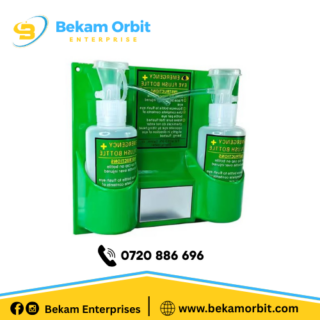
 wall-mounted with 1000 ml bottles emergency eye wash station
KShs9,000.00
wall-mounted with 1000 ml bottles emergency eye wash station
KShs9,000.00 -
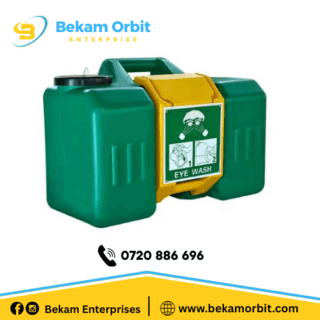
9-Gallon Gravity-Flow Portable Eye Wash Station
KShs17,000.00
-
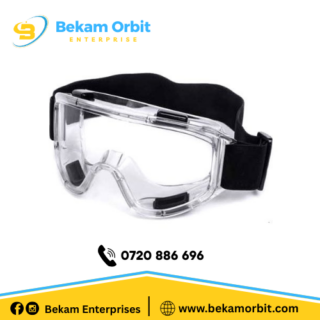
Lab Safety Goggles
KShs400.00
-
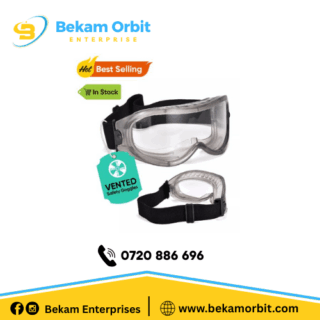
Over Glasses Safety Goggles
KShs700.00
-
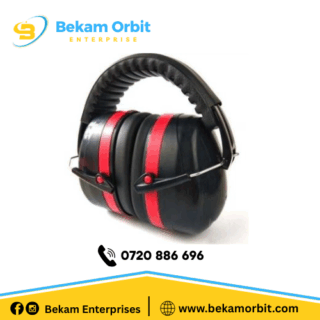
Safety Noise Cancelling Earmuffs
KShs1,300.00
-
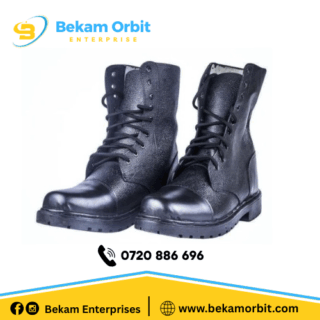
Askari Security Boots
KShs1,800.00
-
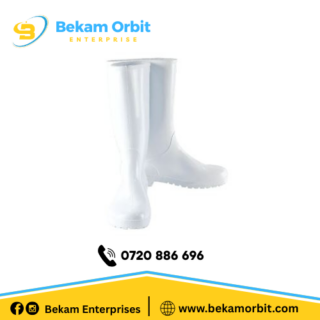
White light duty gumboots
KShs800.00
-
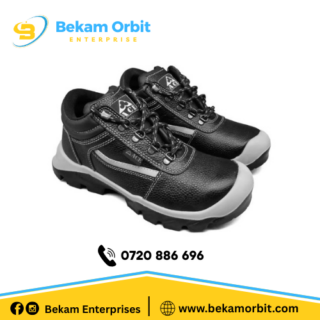
Ace Duma Safety Shoes
KShs3,100.00