
Earmuffs in Kenya: How to Choose the Right Hearing Protection for Work
If you are buying earmuffs in Kenya for construction, manufacturing, fabrication, aviation, quarry work, workshops, or generator rooms, the best approach is not simply to choose the thickest pair you can find. Good hearing protection must match the noise level, fit comfortably, work with other PPE, and be practical enough to wear consistently throughout the day. That matters because occupational noise exposure at or above 85 dBA over an 8-hour time-weighted average is the point at which OSHA requires a hearing conservation approach, and both OSHA and NIOSH stress that selection, fit, and proper use all matter. (OSHA)
For most buyers, the real question is this: which earmuffs in Kenya are right for my specific work environment? If your team wears helmets, safety spectacles, visors, or respirators, compatibility becomes just as important as noise reduction. NIOSH specifically notes that even eyeglasses can break the seal of earmuffs, while helmet-mounted models can solve fit problems on hard-hat sites.
What are earmuffs, and how do they work?
Earmuffs are hearing protectors that cover the outer ear using cushioned ear cups connected by a headband or attached directly to head protection. Under EN 352, earmuffs are treated as a defined class of hearing protectors, and the standard family also includes earmuffs attached to industrial safety helmets and models with active or communication features. (BSI Knowledge)
In practical terms, earmuffs in Kenya work by creating a seal around the ear to reduce the amount of noise reaching the inner ear. They are often preferred where workers move in and out of noisy zones because they are easier to take off and put back on correctly than many earplugs. NIOSH also notes they are often easier to fit properly, which is one reason they remain popular in factories, road works, workshops, and plant environments. (CDC)
Why earmuffs are a strong choice in many Kenyan workplaces
One of the biggest advantages of earmuffs in Kenya is visibility and convenience. Supervisors can quickly see whether workers are wearing them, and that improves compliance on busy sites. They are also reusable, durable, and available in different designs for different risks, from standard over-the-head models to helmet-mounted versions for construction and industrial maintenance.
Bekam Orbit already stocks several practical options for different use cases, including hearing protection equipment in Kenya, JSP Helmet Earmuffs, hard hat attachment earmuffs, Sound Insulation Earmuffs, and 3M Peltor Optime 98 Earmuffs H9A. Your current category page includes models ranging from everyday site protection to premium high-attenuation options such as SNR 27, SNR 30, SNR 36, and SNR 37 products.
Understanding NRR and SNR before buying earmuffs in Kenya
When shopping for earmuffs in Kenya, you will usually see either NRR or SNR on the product page or packaging. NRR, or Noise Reduction Rating, is widely used in North America, while SNR, or Single Number Rating, is commonly used for European-rated hearing protection. In short, both are simplified ways of showing attenuation, but they come from different rating systems, so buyers should compare products carefully rather than assuming the numbers are directly interchangeable. (3M Multimedia)
The smarter buying approach is to match the protector to the environment. For example, Bekam’s Sound Insulation Earmuffs are presented as a lighter-duty option with NRR 20 dB / SNR 22 dB, while your JSP Helmet Earmuffs are positioned for much harsher environments with SNR 36 dB. Your 3M Peltor Optime 98 Earmuffs H9A are listed with NRR 25 dB, which suits many industrial settings without going to the highest bulk level.
Types of earmuffs in Kenya and where each works best
Standard headband earmuffs
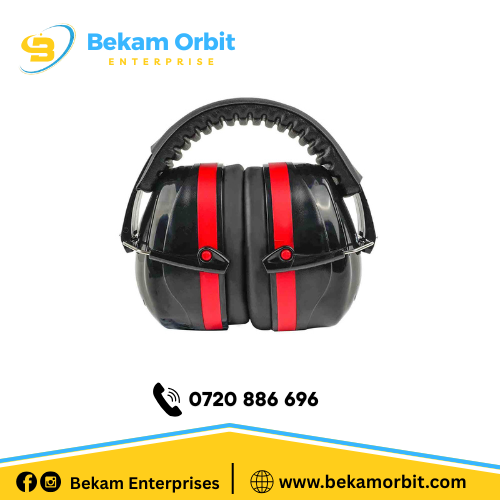
These are the most common earmuffs in Kenya for workshops, fabrication, machine operations, and general industrial use. They are simple, reusable, and easy to share across teams with proper hygiene management. They are a strong choice where workers do not need a hard hat all the time.
Helmet-mounted earmuffs

For construction, road works, scaffolding, utilities, mining support, and other hard-hat environments, helmet-mounted models are often the better choice. EN 352-3 covers earmuffs attached to industrial safety helmets, and NIOSH specifically notes that this style can resolve compatibility issues that arise with standard headband models. Both JSP Helmet Earmuffs and hard hat attachment earmuffs fit this need.
Electronic or level-dependent earmuffs
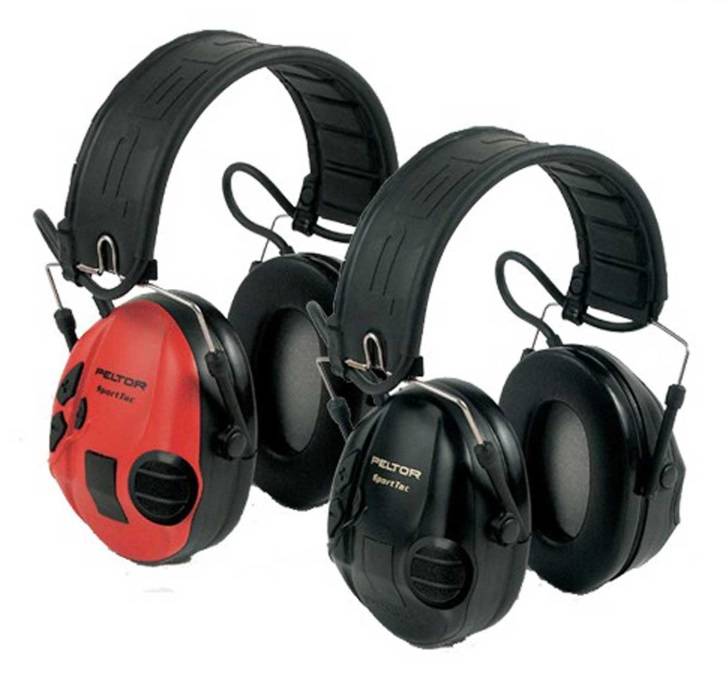
These are useful where workers need to hear warning signals, instructions, or nearby speech when the background noise is lower, but still need protection when sound levels rise. NIOSH highlights level-dependent or sound-restoration protectors as especially useful in intermittent noise conditions. (CDC)
How to choose the right earmuffs in Kenya
Start with the noise source. A workshop with grinders, compressors, hammering, and cutting requires a different level of attenuation from a school event, office generator room, or DIY environment. OSHA and NIOSH both emphasize that protectors should be selected based on the actual noise environment, not guesswork.
Next, check PPE compatibility. If workers wear safety spectacles, face shields, respirators, or helmets, make sure the earmuffs will still seal correctly. NIOSH warns that eyewear can interfere with the seal, and CDC guidance notes that some models are specifically designed for hard hats or behind-the-head positioning to avoid this problem.
Then consider how the noise behaves. If workers move between quiet and noisy areas, earmuffs are often easier to remove and replace correctly. If the site is very hot, very tight, or requires multiple head-worn PPE items, earplugs may sometimes be more practical. That is why many teams benefit from keeping both options available.
Finally, confirm the standard and marking. Under DIN EN 352, hearing protectors should be properly marked with the manufacturer or trademark, model, EN number, CE marking, and relevant usage information. For buyers in Kenya, this is one of the easiest ways to separate proper hearing protection from generic low-trust products.
Earmuffs vs earplugs: which is better?
There is no one-size-fits-all answer. Earmuffs in Kenya are usually better when noise is intermittent, when fast removal and re-fitting matter, and when you want visible compliance on-site. Earplugs are often lighter, cooler in hot weather, and sometimes easier to use under helmets, respirators, face protection, or safety spectacles. uvex notes that earplugs are often preferred when also wearing other head-level PPE, while NIOSH notes earmuffs are easier to remove and replace in stop-start noise conditions. (uvex-safety.com)
For extreme environments, NIOSH recommends double hearing protection — earmuffs worn over earplugs — for exposures around 100 dBA or greater or for impulsive noise such as jackhammers and similar high-impact sources. That makes combination protection relevant for some quarry, demolition, heavy fabrication, and airport-adjacent tasks.
Best use cases for earmuffs in Kenya
In Kenya, earmuffs are commonly bought by customers working in construction, fabrication, machine shops, factories, airport support operations, road works, mining-related environments, and power-equipment areas. If you work in any of these settings, choosing the right earmuffs is important because regular exposure to loud noise can affect comfort, communication, and long-term hearing protection. That is why many buyers searching for earmuffs in Kenya are not just looking for any product, but for reliable hearing protection that suits their specific work environment.
To help you choose the right option, you can also read our guide on Hearing Protection at Work and browse our full Hearing Protection – Earplugs & Earmuffs Kenya category page. These pages make it easier for you to compare products, understand where each type works best, and choose hearing protection that matches your job needs.
Care and maintenance of earmuffs
Even the best earmuffs in Kenya will not protect properly if the cushions are worn, cracked, dirty, or no longer sealing well. OSHA requires employers to train workers in the use and care of hearing protectors, and premium earmuff systems such as your JSP helmet model also reference replaceable sealing rings and hygiene-kit support. In simple terms: keep earmuffs clean, store them away from damage, inspect the cushions regularly, and replace worn parts before performance drops.
Where to buy earmuffs in Kenya
If you are buying earmuffs in Kenya for your team or workplace, it is best to choose a supplier with more than one rating and style available. This makes it easier for you to select the right hearing protection for each task instead of using one type of earmuff for every work environment. Different jobs have different noise levels, comfort needs, and PPE requirements, so the right choice will depend on where and how the earmuffs will be used.
At Bekam Orbit, you can start by browsing our full hearing protection equipment collection in Kenya, then compare options based on your work environment. These include JSP Helmet Earmuffs, hard hat attachment earmuffs, Sound Insulation Earmuffs, and 3M Peltor Optime 98 Earmuffs H9A. This allows you to choose earmuffs that match your site conditions, comfort preferences, and level of noise exposure.
FAQs
1. What is a good rating for earmuffs in Kenya?
A good rating depends on the work environment. On Bekam Orbit, listed earmuff options range from lighter-duty models around NRR 20 dB / SNR 22 dB to premium models around SNR 36–37 dB for harsher industrial environments.
2. Are earmuffs better than earplugs?
They are better for some situations, especially intermittent noise and visible compliance, but not always. Earplugs can be cooler in hot conditions and sometimes work better with multiple head-worn PPE items.
3. Can earmuffs be worn with a helmet?
Yes, but standard headband earmuffs are not always the best choice for that. Helmet-mounted earmuffs are specifically covered under EN 352-3 and are designed for use with industrial safety helmets or other carriers.
4. When should you wear earmuffs with earplugs?
NIOSH recommends double protection for environments around 100 dBA or more or for impulsive noise such as jackhammers and similar high-impact sound sources.
5. What should I check before buying earmuffs in Kenya?
Check the rating, standard, comfort, helmet or spectacle compatibility, and whether the earmuffs suit continuous or intermittent noise. Also, choose a trusted supplier with multiple options so you can match the protector to the job.



Product Gallery
Featured Products
-
 wall-mounted with 1000 ml bottles emergency eye wash station
KSh9,000.00
wall-mounted with 1000 ml bottles emergency eye wash station
KSh9,000.00 -
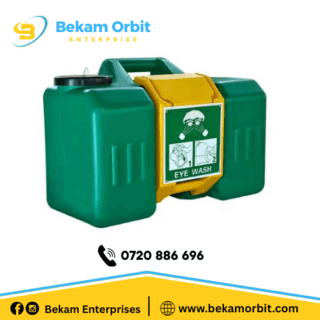
9-Gallon Gravity-Flow Portable Eye Wash Station
KSh17,000.00
-
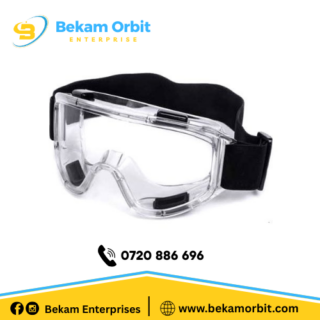
Lab Safety Goggles
KSh400.00
-
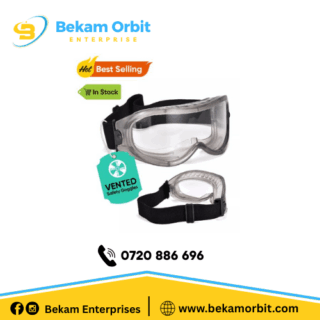
Over Glasses Safety Goggles
KSh700.00
-
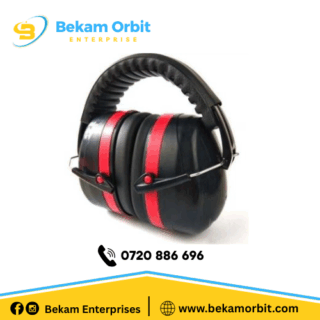
Safety Noise Cancelling Earmuffs
KSh1,300.00
-
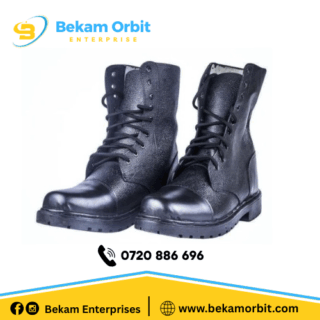
Askari Security Boots
KSh1,800.00
-
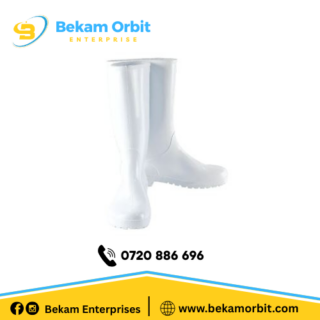
White light duty gumboots
KSh800.00
-
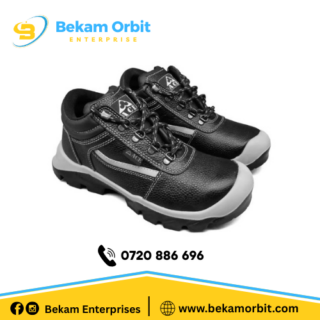
Ace Duma Safety Shoes
KSh3,100.00