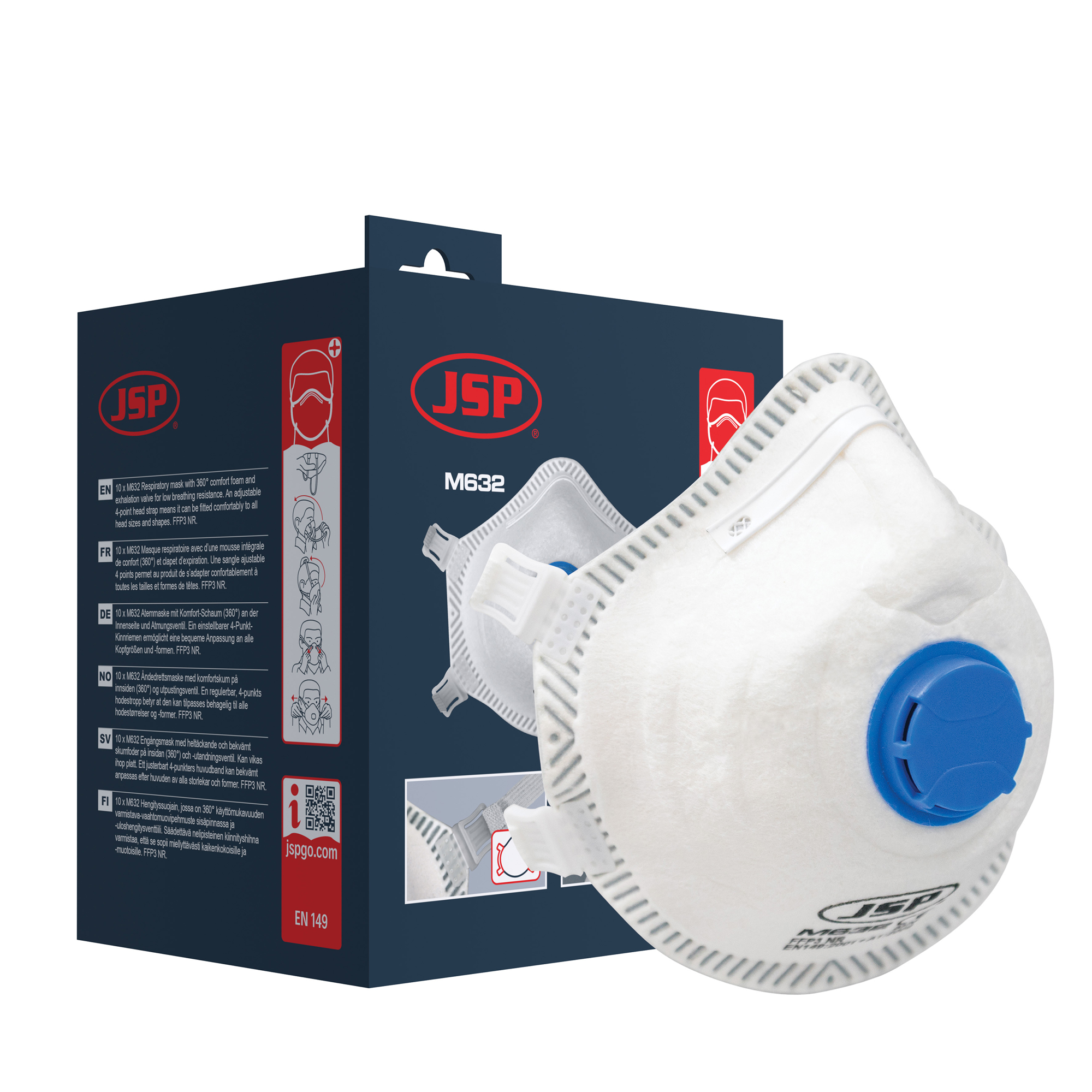
FFP3 Mask Kenya: What You Need to Know Before You Buy or Use One
If you are searching for the right FFP3 mask Kenya buyers can trust, you are probably not looking for just any disposable mask. You want something that gives you a higher level of respiratory protection when you are dealing with serious dust, fine airborne particles, or higher-risk work environments. That is exactly where FFP3 comes in. Under the EN 149 standard, FFP3 is the highest class in the FFP1–FFP3 range, and 3M’s EN 149 comparison states that FFP3 is rated for at least 99% filtration efficiency with a maximum total inward leakage of 2% when the respirator fits and is worn correctly. (3M Multimedia)
That matters more than you may think. If you work around concrete dust, quarry dust, sanding dust, wood dust, grinding particles, cement handling, or similar airborne hazards, you need more than a loose face covering. HSE guidance says FFP3 respirators are advisable for high levels of dust exposure, and HSE’s construction guidance specifically gives FFP3 disposable masks or half masks with a P3 filter as examples of the protection level needed for certain high-dust cutting tasks.
What is an FFP3 mask Kenya ?
An FFP3 mask is a tight-fitting particulate respirator designed to protect you, the wearer, from airborne particles. It is made to seal around your nose and mouth so that the air you breathe in passes through the filter material instead of leaking in from the sides. CDC/NIOSH explains that filtering facepiece respirators seal against your face, and 3M states that EN 149 particulate respirators are intended for protection against solid particles and non-volatile liquid particles. (CDC)
That also means you should not treat an FFP3 mask as a universal solution for every breathing hazard. It is designed for particles, not for every gas, vapour, or chemical exposure. NIOSH’s respirator fact sheet makes the same distinction clearly: particulate respirators protect against particles, but they do not protect against chemicals, gases, or vapours. If your hazard is more than dust or particulate aerosol, you may need a reusable respirator with the correct cartridges and filters instead.
Why an FFP3 mask Kenya is different from an ordinary mask
This is where many buyers get confused. In everyday conversation, people call almost everything a “mask,” but not every mask is a respirator. If you wear a loose-fitting mask, air can escape or enter around the edges. A respirator is different because it is designed to form a close seal and filter the air you inhale. 3M’s respirator comparison explains this distinction, and Bekam’s own respiratory guide also separates loose masks from tight-sealing respirators such as N95, FFP2, KN95, and similar products.
So if you are buying for a construction site, fabrication bay, mining support job, workshop, or another dust-heavy environment, you should think in terms of respiratory protection, not just face covering. That mindset helps you choose better and avoid under-protecting yourself or your team.
FFP3 mask Kenya vs FFP2 vs N95: what should you understand?
If you are comparing options, the easiest way to think about it is this: FFP2 is a lower class than FFP3 in the EN 149 system. According to 3M’s comparison, FFP2 is rated at 94% filtration efficiency with up to 8% total inward leakage, while FFP3 is rated at 99% filtration efficiency with up to 2% total inward leakage. HSE also says FFP1, FFP2, and FFP3 can reduce the amount of dust you breathe by factors of 4, 10, and 20, respectively. (3M Multimedia)
N95 is different again because it sits under another standard system. In practical buying discussions, N95 is generally closer to FFP2 than to FFP3, so you should not treat N95 and FFP3 as the same thing. If you want to help a reader understand those differences further, this is a good place to link to your N95 vs KN95 Masks in Kenya blog and your broader Respirators vs Masks in Kenya guide.
When should you choose an FFP3 mask Kenya ?
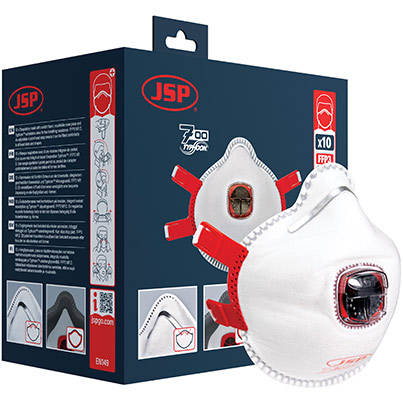
You should consider an FFP3 mask when the particle hazard is more serious, the exposure is heavier, or the particles are more harmful. HSE specifically recommends FFP3 for high dust levels, and in construction dust guidance, it gives FFP3 as an example where an assigned protection factor of 20 is required. That makes FFP3 especially relevant if you cut concrete, chase walls, handle quarry dust, sand wood, grind materials, or work in similarly dusty industrial conditions.
If you weld, you also need to be careful not to oversimplify the choice. HSE says the best control for welding fume is capture at source using suitable local exhaust ventilation, and particulate respiratory protection does not deal with every gas component in welding fumes. So if you are choosing protection for welding, you should think beyond “mask class” alone and consider the full hazard, the process, and whether you need a reusable respirator system.
Valved vs non-valved FFP3 masks: which should you choose?
If you work long hours in hot, dusty, physically demanding conditions, you may prefer a valved FFP3 mask because the valve can make breathing out easier and improve comfort. CDC/NIOSH says some filtering facepiece respirators have an exhalation valve that lets air escape when you breathe out, reducing breathing resistance and making them more comfortable to wear.
But comfort is not the only thing you should think about. If source control matters, such as where exhaled breath should not pass out unfiltered, valved models may not be the best choice. CDC notes that when both respiratory protection and source control are required, a respirator without an exhalation valve is preferred, and MHRA’s safety communication states that exhalation valves do not filter exhaled breath.
For many industrial dust applications in Kenya, a valved FFP3 can still be a practical and comfortable choice. On Bekam’s current FFP3 product pages, the existing models are already positioned around this kind of use case, especially for construction, mining, wood, glass, and textile dust environments.
Fit matters just as much as filtration
This is one of the most crucial aspects of the entire topic. You can buy a high-rated respirator, but if it does not seal properly to your face, you can still breathe contaminated air through gaps around the edges. HSE states that masks rely on a tight seal with the face to work properly, and that fit testing is the best way to determine whether the seal is adequate. NHS England also says fit testing of FFP3 respirators for a safe fit is required by law in the relevant care settings it covers.
You should also do a fit check every time you wear your respirator. HSE says workers should be shown how to check the fit before each use, and CDC/NIOSH likewise explains that fit testing is the best way to confirm a respirator fits you while correct donning and fit checking help it work as effectively as possible day to day. (HSE)
Can you wear an FFP3 mask Kenya with a beard?
If your respirator depends on a close facial seal, facial hair is a real problem. HSE says stubble and beards make it impossible to get a good seal with close-fitting masks. CDC/NIOSH says the same in practical terms: tight-fitting respirators require you to be clean-shaven where the seal touches your skin, unless the facial hair does not interfere with the sealing area or the exhalation valve.
So if you or your staff keep beards, the answer is usually not to tighten the mask harder. The better answer may be to consider another type of respiratory protection, such as a loose-fitting powered system where appropriate, because loose-fitting PAPRs do not require fit testing and can be worn by people with facial hair.
What should you check before buying an FFP3 mask?
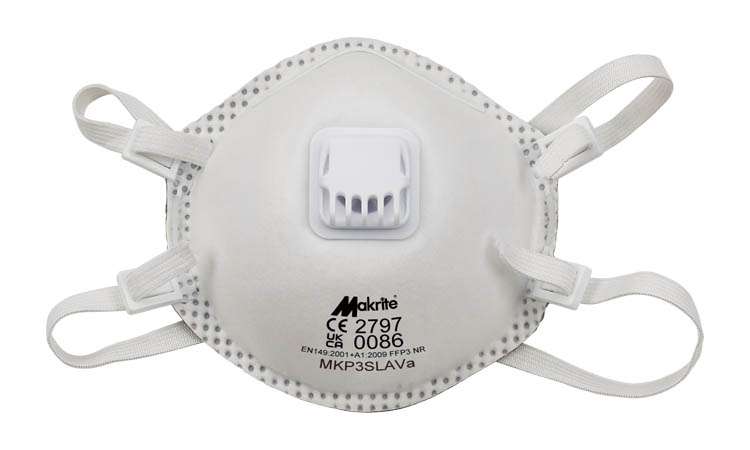
Before you buy, check the markings. HSE says disposable respirators used at work should be CE marked and marked to EN 149, and the product should clearly indicate whether it is FFP1, FFP2, or FFP3. 3M’s technical data sheets also explain common markings such as NR for non-reusable, single-shift use, and D for products that meet the clogging resistance requirement.
You should also pay attention to how the respirator is held to the face. HSE’s 2025 safety bulletin warns that workplace respirators relying on ear loops generally cannot achieve the seal needed for most users who need tight-fitting respiratory protection. That is one reason why properly designed head-strap respirators are usually a safer choice for serious workplace exposure.
How should you choose the right FFP3 mask in Kenya?
Start with the hazard, not just the product label. Ask yourself what particles are present, how dusty the task is, how long you will wear the respirator, whether the job is hot or physically demanding, and whether you can achieve a proper face seal. If you are dealing mainly with high levels of particulate dust for a limited task, a disposable FFP3 may be suitable. If your work involves mixed hazards, repeated daily wear, or gases and vapours as well as particles, you should move up to a reusable respirator system with the correct filters.
That is why this blog should guide the reader into your category and product pages, not just end with theory. From here, you can naturally lead them to Respiratory Protection – Masks & Respirators Kenya, then into your FFP3 Mask Kenya product page, your FFP3 Dust Mask Nairobi page, and your Air Purifying Respirators page if their risk is more complex than dust alone.
Final word
If you work in a high-dust environment, an FFP3 mask gives you one of the highest levels of disposable particulate protection in the EN 149 range. But the real protection does not come from the label alone. It comes from choosing the right respirator for the hazard, making sure it seals properly to your face, checking the markings, and buying from a supplier that can help you move to a better respiratory system when a disposable FFP3 is no longer enough.
FAQs
Is FFP3 mask Kenya better than FFP2?
Yes, if you are comparing particulate protection under EN 149. FFP3 is the highest class, with higher filtration efficiency and lower allowed inward leakage than FFP2. (
Is FFP3 the same as N95?
No. They come from different standards, and in most practical comparisons, N95 is closer to FFP2 than FFP3.
Should you use FFP3 for construction dust?
Yes, FFP3 is often the right level where dust exposure is high, and HSE construction guidance specifically gives FFP3 as an example for some high-dust cutting work.
Can you wear FFP3 with a beard?
Not reliably if the respirator needs a tight face seal. Facial hair interferes with the seal, which reduces protection.
What markings should you look for?
Check for EN 149, the FFP3 rating, CE marking, and markings such as NR and D where applicable.
Is a valved FFP3 mask Kenya okay?
Yes for many industrial applications, especially if you want lower breathing resistance and better comfort. But if source control matters, a non-valved option may be preferable.
Find the right respirator for your work
Now that you understand what FFP3 means and when you should use it, the next step is choosing the right protection for your actual working environment. You can browse our Respiratory Protection – Masks & Respirators Kenya page to compare different options, check our FFP3 Mask Kenya – MK Comfort Series Valved Disposable Respirator and FFP3 Dust Mask Nairobi – Valved Moulded MKP3SLAVa Particulate Respirator if you need a ready-to-buy FFP3 option, or explore Air Purifying Respirators (APR) – Breathe Safe if your application needs a reusable respirator system. If you are still weighing different protection levels, our Respirators vs Masks in Kenya and N95 vs KN95 Masks in Kenya guides will help you make a more confident buying decision.



Product Gallery
Featured Products
-
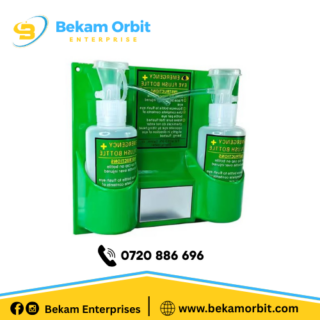
 wall-mounted with 1000 ml bottles emergency eye wash station
KSh9,000.00
wall-mounted with 1000 ml bottles emergency eye wash station
KSh9,000.00 -
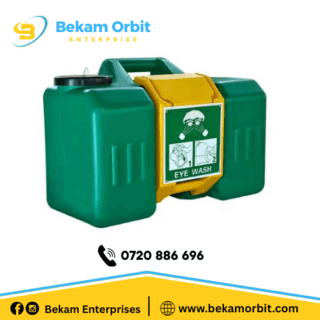
9-Gallon Gravity-Flow Portable Eye Wash Station
KSh17,000.00
-
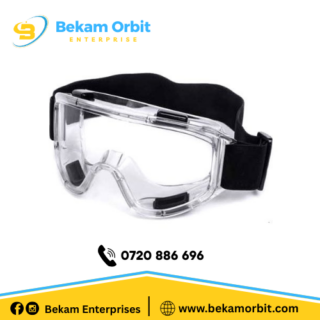
Lab Safety Goggles
KSh400.00
-
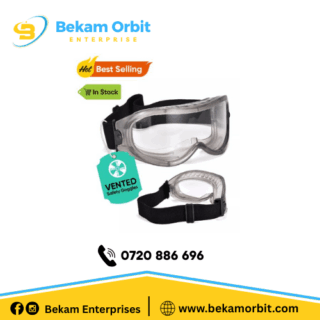
Over Glasses Safety Goggles
KSh700.00
-
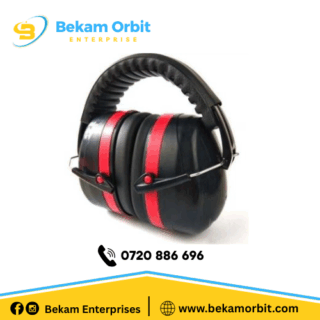
Safety Noise Cancelling Earmuffs
KSh1,300.00
-
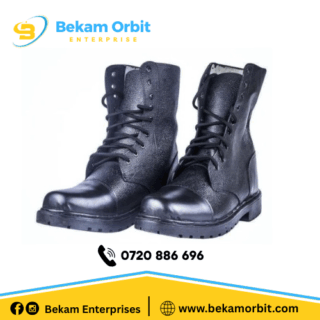
Askari Security Boots
KSh1,800.00
-
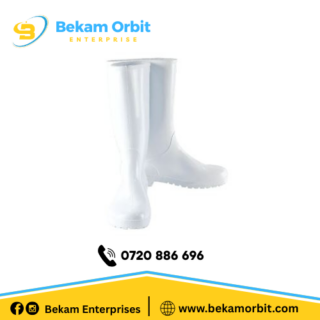
White light duty gumboots
KSh800.00
-
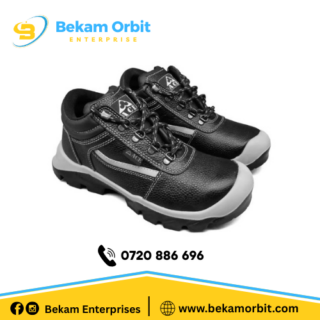
Ace Duma Safety Shoes
KSh3,100.00