
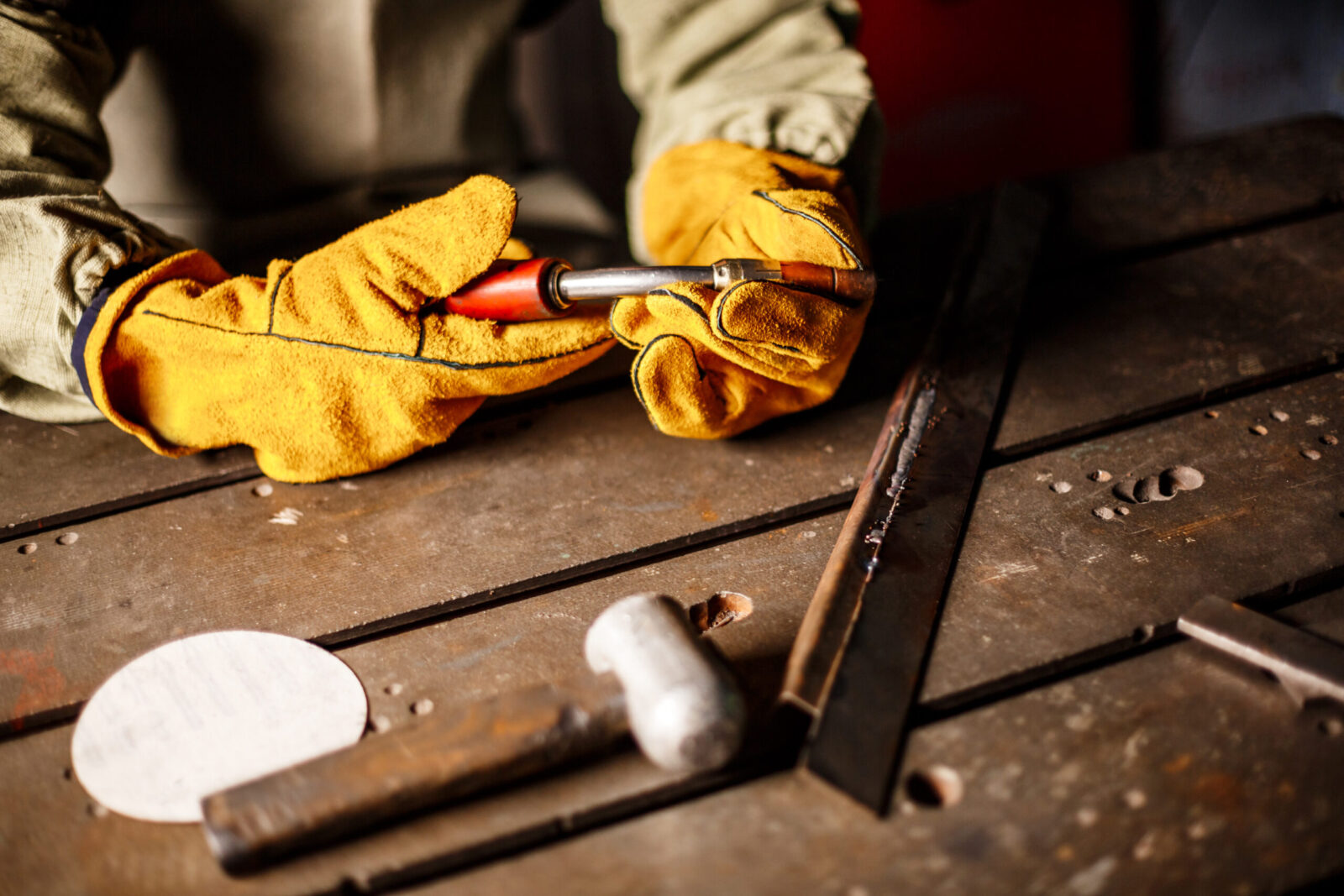
Best Leather Work Gloves in Kenya: Materials, Standards & the Smart Buying Guide
If you’ve searched for the best leather gloves, you’ve probably noticed the confusion: some people judge by leather type, others by EN ratings, and others by price. The truth is simpler:
The “best” leather gloves are chosen first by the hazard you’re facing (usage), then confirmed by standards (what the glove is tested for), and finally refined by material and build (comfort, durability, dexterity).
This guide gives you a quick glove-picker, explains what markings to look for, and helps you buy leather gloves that actually match real Kenyan job conditions—dust, heat, sparks, rough materials, wet mornings, and long shifts.
Quick glove picker (1 minute)
| Your job/risk | “Best” leather glove style | What to look for | What to avoid |
|---|---|---|---|
| Welding / hot work | Split cowhide welding gauntlets (long cuff) | Heat lining, longer cuff, strong stitching, EN 12477 + EN 407 | Thin driver’s gloves (too short, too light) |
| Construction/handling | Grain leather or reinforced palm | EN 388 rating for abrasion/tear/puncture | Over-soft fashion leather (wears fast) |
| Mechanics/maintenance | Dexterity leather glove + grip | Reinforced palm, snug fit, oil/grip design | Bulky welding gauntlets (too clumsy) |
| Cold stores/freezer work | Insulated leather or cold-rated gloves | Thermal insulation, waterproofing, and a longer cuff | Unlined leather (hands go numb fast) |
| General site work | Tough general-purpose leather/canvas | Abrasion resistance, good fit | Oversized gloves (slip + poor grip) |
Want to browse options fast? Start here: Browse Hand Protection Gloves in Kenya and Shop Leather & Canvas Gloves.
The best leather gloves are chosen by usage (then confirmed by standards)
1) Best leather gloves for welding & hot work
For welding, your glove isn’t just “hand protection”—it’s heat, spark, and spatter protection, often with forearm coverage.
What works best:
-
Split cowhide leather (handles heat and rough work well)
-
Gauntlet (long cuff) to protect wrist/forearm
-
Strong, heat-tolerant stitching and a proper liner
What to look for on the glove/packaging:
-
EN 12477 (welding glove standard, often labeled Type A or Type B) (Wenaas)
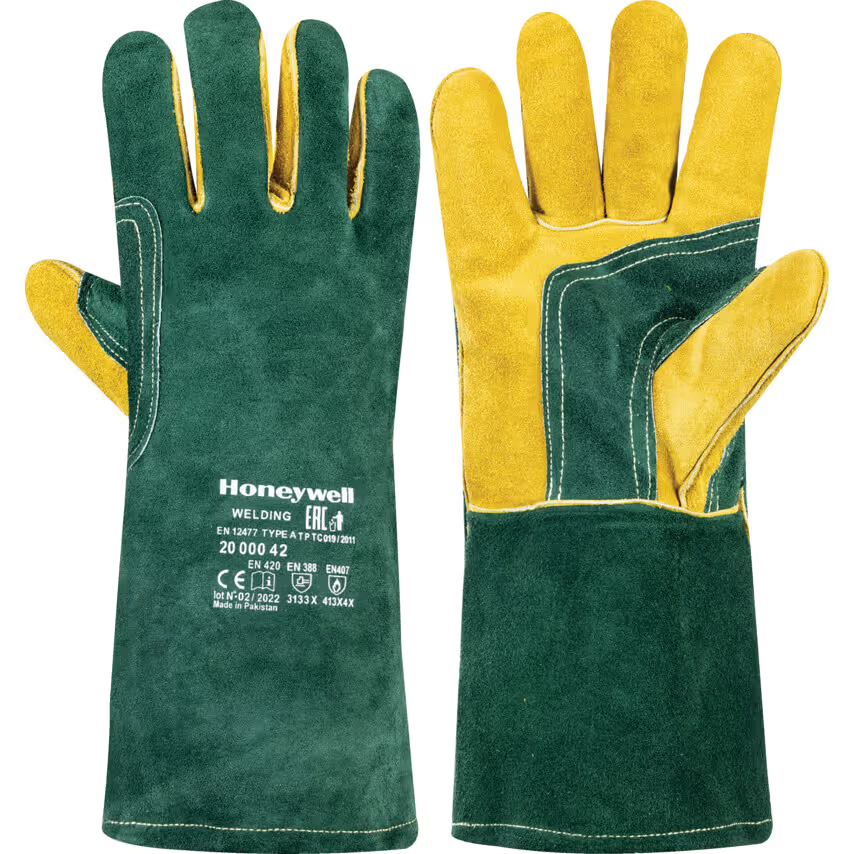
EN 12477 type of glove -
EN 407 for thermal risks (Ejendals)
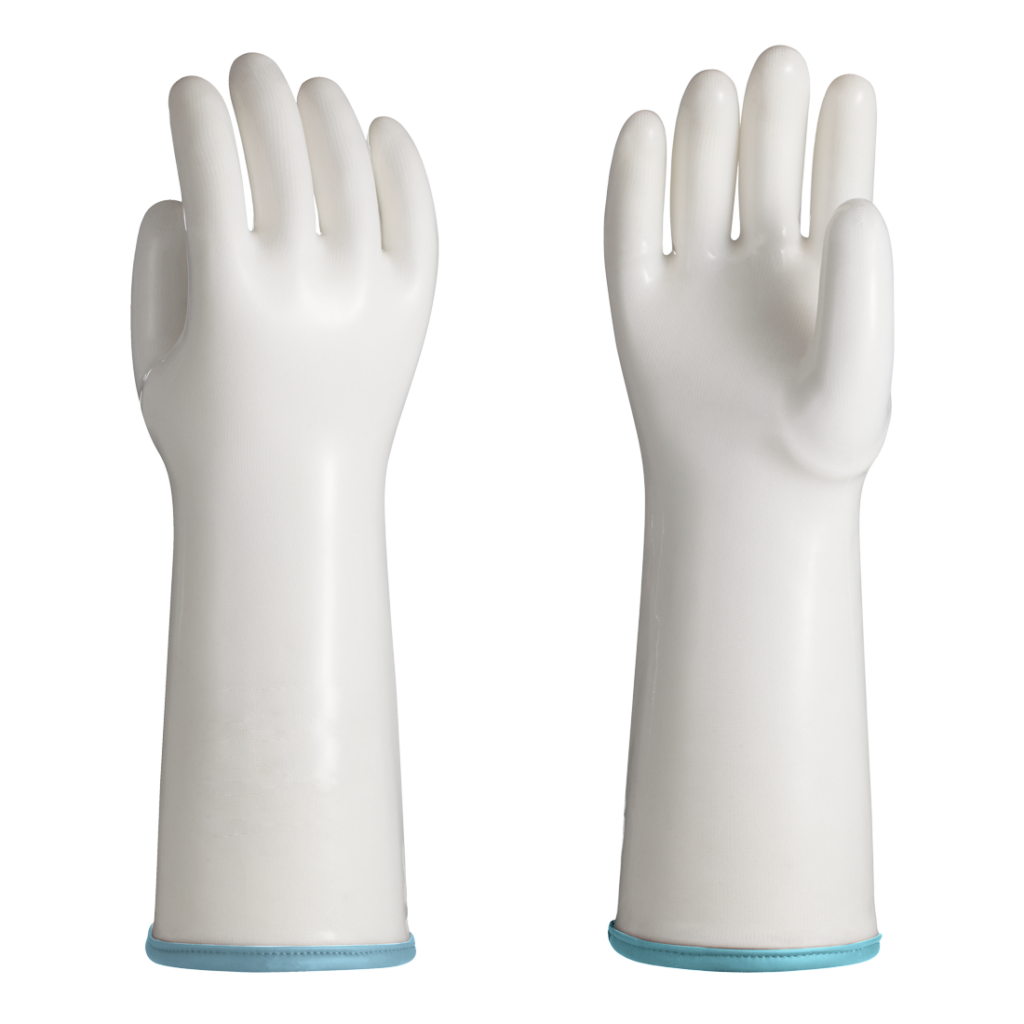
EN 407 glove type -
EN 388 for mechanical risks (abrasion/tear/puncture; sometimes impact marking too) (Pip Global)
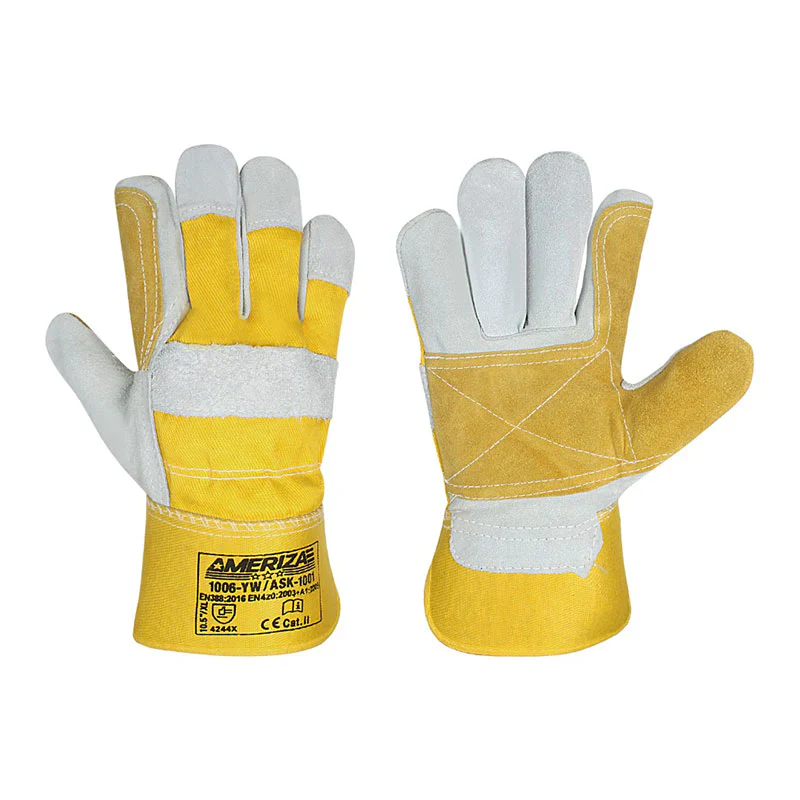
Type A vs Type B (simple version):
-
Type A: more protection, thicker, less dexterity (common for heavier welding work)
-
Type B: more dexterity, lighter, slightly lower protection (often preferred where precision matters)
2) Best leather gloves for construction & general handling
Construction sites can damage gloves through abrasion, tearing, punctures, and rough handling.
What works best:
-
Grain leather (good durability + better dexterity than bulky splits)
-
Reinforced palm/thumb area for repeated lifting and carrying
-
A snug fit that doesn’t twist when gripping
What to check: EN 388
EN 388 is the most common “work glove” rating for mechanical risks and helps you compare gloves beyond guesswork.
Practical tip: If your work is mostly handling blocks, timber, metal sheets, pipes, and tools, prioritize abrasion + tear + puncture performance (not just “thickness”).
3) Best leather gloves for mechanics & maintenance
Mechanics usually need control and grip, not a thick gauntlet.
What works best:
-
Softer, more dexterous leather (often goatskin or well-finished grain leather)
-
Reinforced palm where tools rub the most
-
Snug fingertips (so you don’t “fight” the glove all day)
If you handle sharp edges frequently (sheet metal, blades, glass, cable), leather alone may not be enough—consider pairing leather durability with cut-rated options like: See Cut 5 Safety Gloves.)
4) Best leather gloves for cold-room / freezer work
Standard leather can block abrasion, but cold is a different enemy: numb fingers reduce grip, increase mistakes, and increase the risk of injury.
What works best:
-
Insulated lining (thermal)
-
Longer cuff
-
If your environment is wet/condensing, improved water resistance
You can direct readers to: Explore Cold Room Safety Gloves.
Leather glove materials that actually matter (no fluff)
Grain leather vs split leather (fast explanation)
-
Grain leather: smoother, stronger surface, usually better dexterity and feel.
-
Split leather: rougher texture; commonly used for welding gauntlets because it handles heavy wear and heat exposure better in many work environments.
Common leather choices (why buyers pick them)
-
Cowhide: tough, durable, popular for heavy work and welding builds
-
Goatskin: softer, better dexterity (common for precision work)
-
Pigskin: can stay relatively flexible in damp conditions (varies by build/finish)
Construction details that separate “best” from “okay.”
When comparing two leather gloves that look similar, check:
-
Stitching: stronger thread and protected seams last longer (especially around fingers/palm)
-
Thumb design: a better thumb shape improves grip and reduces tearing
-
Palm reinforcement / double palm: makes a big difference in durability
-
Cuff length: short cuff for dexterity; long gauntlet for heat/sparks/forearm exposure
Standards: how to read glove markings without getting technical
EN 388 (mechanical risks)
EN 388 tests gloves for abrasion, cut, tear, and puncture resistance, and may include impact resistance marking, depending on the glove.
EN 407 (thermal risks)
EN 407 covers performance against thermal risks (heat- and fire-related tests). Importantly, EN 407 doesn’t automatically mean “fireproof”—it’s a test framework so you can compare thermal performance claims.
EN 12477 (welding gloves)
EN 12477 defines requirements for welding gloves and commonly labels them Type A or Type B based on the intended performance balance (protection vs. dexterity).
ANSI/ISEA 105 (cut levels A1–A9)
If you’re buying from global suppliers, you may see ANSI cut levels A1–A9 (higher generally means more cut resistance).
Check for more: EN 388 standard overview for work gloves.
The buying checklist (use this every time)
Before you pay, ask these 8 questions:
-
What hazard is dominant? Heat? Abrasion? Sharp edges? Cold? Oils?
-
Does the glove match the job? (welding gauntlet vs mechanic dexterity)
-
Is there a standard marking where needed? EN 388 / EN 407 / EN 12477
-
Fit check: fingertips reach the ends, glove doesn’t twist when you grip
-
Grip check: dry grip is different from oily grip
-
Cuff check: Do you need wrist/forearm coverage?
-
Comfort check: lining, sweat, and heat management for long shifts
-
Replacement rule: if seams are opening, leather is cracked/hardened, or holes appear — replace (don’t “push one more week”)
Common mistakes Kenyans make when buying leather gloves
-
Buying “welding gloves” for every job (too bulky for mechanics/precision)
-
Choosing oversized gloves (reduced grip + more accidents)
-
Assuming thick leather = cut resistant (sharp edges can still slice; confirm the rating if cuts are a real risk)
-
Using leather for chemical handling (leather can absorb liquids; chemical work needs chemical-rated gloves)
For chemical tasks, check the Shop Chemical & Liquid Protection Gloves category.
Where to buy quality leather gloves in Nairobi and across Kenya
If you want leather gloves that match real site conditions (welding heat, construction abrasion, workshop handling, cold-room work), shop by category first, then select by use-case:
To complete your PPE set, you can also link readers to:
Need bulk supply or guidance? Contact Bekam Orbit Enterprise here: Request a Quote or Delivery.
FAQs: Best leather gloves in Kenya
1) Are leather gloves cut-resistant?
Leather is great for abrasion and general handling, but cut resistance varies. If cut hazards are serious, look for a glove with EN 388 cut performance or an ANSI cut level A-rating.
2) What’s the best leather glove for welding?
A split cowhide welding gauntlet with a long cuff is the best choice. Look for EN 12477 and thermal performance via EN 407.
3) What do Type A and Type B mean on welding gloves?
Type A generally prioritizes higher protection (often thicker), while Type B prioritizes dexterity and precision.
4) What standard shows heat protection on gloves?
EN 407 is the key standard for thermal risks (heat- and fire-related performance).
5) Can I use leather gloves for chemical handling?
Not recommended. Leather can absorb liquids and degrade. For chemicals, use gloves designed and rated for chemical exposure (e.g., nitrile/chemical protection categories).
6) How do I know it’s time to replace leather work gloves?
Replace when you see holes, cracked/hardened leather, broken seams, loss of grip, or exposed lining—especially for welding and heavy handling.


Product Gallery
Featured Products
-
 wall-mounted with 1000 ml bottles emergency eye wash station
KShs9,000.00
wall-mounted with 1000 ml bottles emergency eye wash station
KShs9,000.00
-
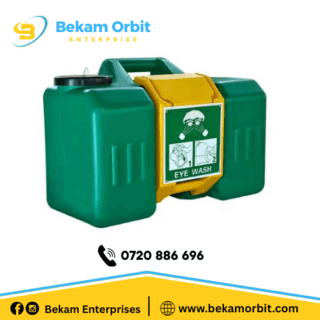 9-Gallon Gravity-Flow Portable Eye Wash Station
KShs17,000.00
9-Gallon Gravity-Flow Portable Eye Wash Station
KShs17,000.00
-
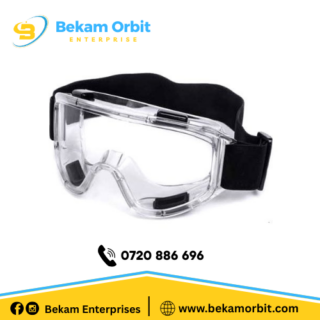 Lab Safety Goggles
KShs400.00
Lab Safety Goggles
KShs400.00
-
 Over Glasses Safety Goggles
KShs700.00
Over Glasses Safety Goggles
KShs700.00
-
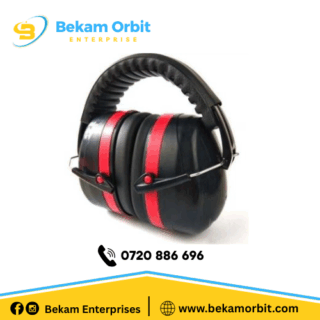 Safety Noise Cancelling Earmuffs
KShs1,300.00
Safety Noise Cancelling Earmuffs
KShs1,300.00
-
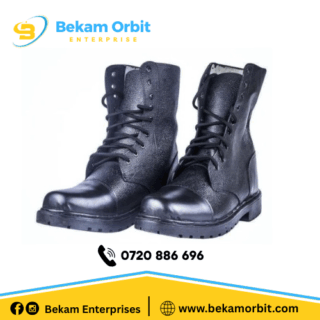 Askari Security Boots
KShs1,800.00
Askari Security Boots
KShs1,800.00
-
 White light duty gumboots
KShs800.00
White light duty gumboots
KShs800.00
-
 Ace Duma Safety Shoes
KShs3,100.00
Ace Duma Safety Shoes
KShs3,100.00




















Leave a Reply