Best Types of Toe Caps for Industrial Workers in Kenya: Steel vs Composite vs Aluminium
If you’re comparing types of toe caps in safety boots in Kenya, you’re already ahead of most buyers. Many people shop by “boot look” or price—then discover the shoe doesn’t match their real job risk (falling tools, crushed loads, slippery floors, sharp offcuts, wet sites, or long hours on concrete).
This guide explains the types of toe caps in safety boots in Kenya (steel vs composite vs aluminium/alloy), what each is best for, and how to choose the best toe cap for industrial workers in Kenya—construction, warehousing, manufacturing, hospitality kitchens, security teams, farms, and workshops.
To shop options immediately, start here:
This blog is adapted from Shoes For Crews’ toe-cap guidance and expanded for Kenyan workplaces.
What is a toe cap (and what minimum protection should it meet)?
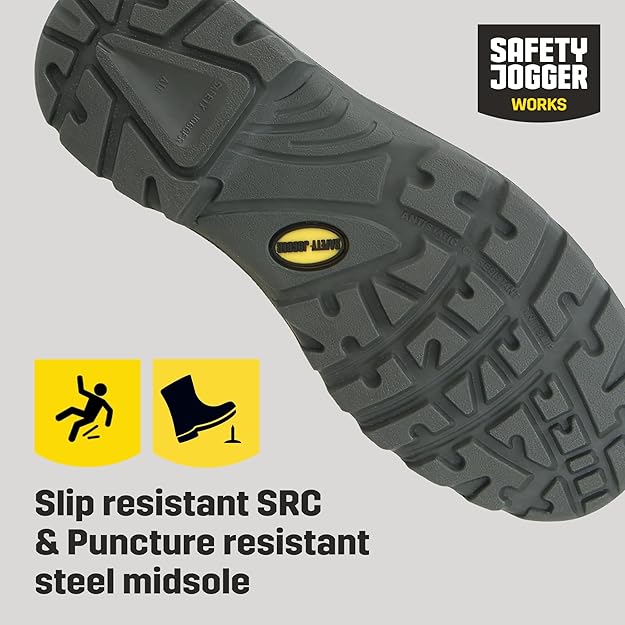
A toe cap (protective toe) is the reinforced front part of a safety shoe that protects your toes from:
-
Impact (e.g., a tool or material falling on your foot)
-
Compression (e.g., a load rolling onto your toes or heavy materials pressing down)
Under EN ISO 20345, the minimum toe-cap tests include 200 joules impact and 15 kN compression—this is why you’ll often see “200J steel toe cap” in safety shoe descriptions. uvex-safety.co.uk
So when we talk about types of toe caps in safety boots in Kenya, the key point is that different materials can meet the same safety requirements, but they differ in comfort, temperature feel, weight, and site policy (e.g., metal detector zones).
The 3 main types of toe caps in safety boots in Kenya
1) Steel toe caps (the classic industrial option)
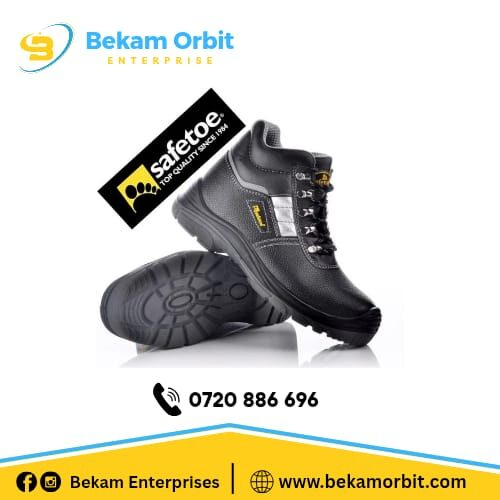
Steel-toe boots remain the most common choice for heavy-duty jobs across Kenya—especially in construction, fabrication, and general industry.
Why are steel-toe boots popular?
-
Strong, proven protection for harsh environments
-
Often, the best value for heavy-duty work
-
Widely available in multiple boot styles and price points
If you want steel-toe options, check here.
Steel-toe trade-offs (important in Kenya)
-
Steel can feel hot or cold more quickly because it conducts heat better than non-metallic materials.
-
Steel toes may trigger metal detectors (airports, secure facilities, some factories)
-
Weight can be higher than composite toe options (model dependent)
Best for: construction crews, welders, machine operators, fabricators, and roles with higher crush/impact exposure.
2) Composite toe caps (metal-free, lighter feel, comfort-focused)
Composite toe caps are made from non-metal materials such as fiberglass, carbon fiber, Kevlar, or advanced plastics. They can still meet the required safety footwear standards when certified.
Why composite toe is growing fast
-
Often lighter for long shifts (warehouse, supervisors, hospitality, dispatch)
-
Metal-free (better for metal detector/security screening environments)
-
Composite does not heat up/cool down as easily as steel, improving comfort in many conditions
A great composite-toe is a safety jogger manager’s shoe:
And if you want a browsing page:
Composite toe trade-offs
-
Some composite toe designs can feel bulkier in the toe area (depending on the boot build)
-
After a heavy impact, safety teams often recommend replacing boots—inspection matters because damage isn’t always obvious. (This is good practice across safety footwear, regardless of toe cap type.)
Best for: quality inspectors, supervisors, engineers visiting multiple areas, warehouse movement roles, hospitality teams needing comfort and safety.
3) Aluminium/alloy toe caps (lighter metal toe option)
Aluminium/alloy toe caps aim to provide protection similar to steel while reducing weight. They can be a good compromise for teams who prefer a metal toe but want a lighter feel.
Why do some buyers choose alloy toes
-
Often lighter than steel (model dependent)
-
Can feel slimmer than some composite toe designs (again, depends on boot)
Trade-offs
-
Still a metal toe—so it can conduct temperature and trigger metal detectors
-
Comfort depends heavily on outsole + insole + boot fit (not only the toe)
Best for: teams wanting a lighter metal option where metal detectors are not a concern.
Which toe cap is best for industrial workers in Kenya?
Here’s a simple decision guide you can keep inside the blog for conversions:
Choose steel toe if:
-
You want the classic heavy-duty choice for construction and industry
-
Your risk includes higher crush/impact exposure
-
You want strong value + wide availability
Start shopping here:
Recommended examples of steel toe in Bekam;
Choose composite toe if:
-
You want lighter comfort for long shifts (warehouse, dispatch, supervisors)
-
You work in places with metal detectors
-
You want less temperature transfer than steel in many environments
Safety Jogger MANAGER Safety Shoes (Metal-Free/Composite Toe)
Choose aluminium/alloy toe if:
-
You want a lighter metal toe feel
-
Metal detectors aren’t an issue
-
You still want a metal toe cap option with certified protection
Toe cap isn’t enough: what features to pair with the right toe protection
Most people searching for types of toe caps in safety boots in Kenya focus only on the toe. But industrial safety footwear performance comes from the full build:
-
Puncture-resistant midsole (nails, scrap, sharp offcuts)
-
Slip resistance (tiles, wet floors, oily surfaces, kitchen grease)
-
Water resistance (outdoor sites, rainy season, wet plants)
-
Oil/chemical resistance (garages, workshops, cleaning teams)
-
Cushioning + support (long-standing hours)
Related blogs;
Common buying mistakes (and how to fix them)
-
Buying by “looks” instead of job risk
If the job involves heavy loads, pick a certified toe cap and the right classification. -
Ignoring slip resistance
For kitchens, warehouses, and wet areas, slip resistance may matter as much as the toe cap. -
Skipping puncture protection
Construction sites and yards often need puncture-resistant midsoles. -
Not planning for comfort
For roles that involve walking and standing all day, composite-toe options can reduce fatigue.
FAQs: Types of toe caps in safety boots in Kenya
Are composite toe caps as safe as steel toe caps?
They can be. Composite and steel-toe caps can meet required safety standards when made and certified correctly—differences mainly lie in comfort, weight, and site policy.
What is the common minimum safety toe testing level?
EN ISO 20345’s minimum toe-cap tests include 200J impact and 15kN compression.
Which is better for hot/cold environments?
Composite toes don’t heat up or cool down as easily as steel toes and don’t conduct heat as well, which many workers find more comfortable.
Shop safety footwear from Bekam Orbit
Bekam Orbit supplies safety footwear for Kenyan workplaces, including construction, warehousing, manufacturing, hospitality, farms, and security teams.
Start here:
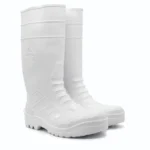
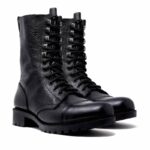
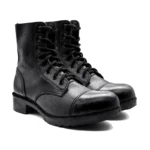
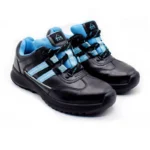
Popular toe-cap options:


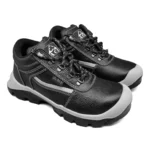
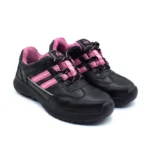
Product Gallery
Featured Products
-
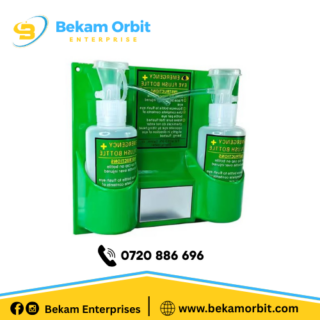 wall-mounted with 1000 ml bottles emergency eye wash station
KShs9,000.00
wall-mounted with 1000 ml bottles emergency eye wash station
KShs9,000.00
-
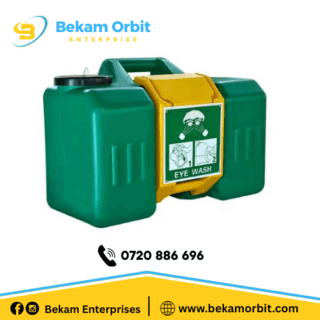 9-Gallon Gravity-Flow Portable Eye Wash Station
KShs17,000.00
9-Gallon Gravity-Flow Portable Eye Wash Station
KShs17,000.00
-
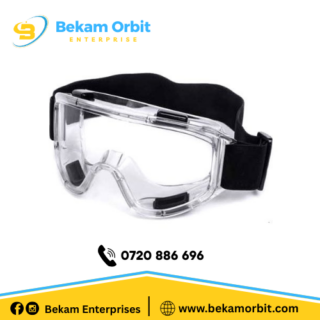 Lab Safety Goggles
KShs400.00
Lab Safety Goggles
KShs400.00
-
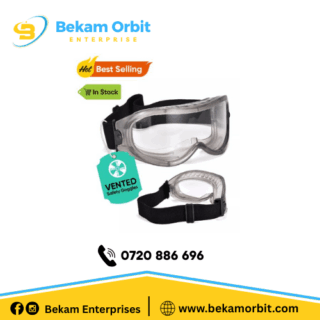 Over Glasses Safety Goggles
KShs700.00
Over Glasses Safety Goggles
KShs700.00
-
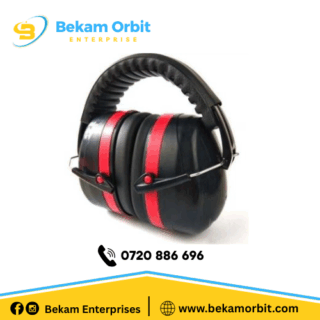 Safety Noise Cancelling Earmuffs
KShs1,300.00
Safety Noise Cancelling Earmuffs
KShs1,300.00
-
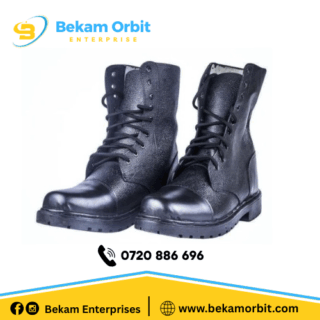 Askari Security Boots
KShs1,800.00
Askari Security Boots
KShs1,800.00
-
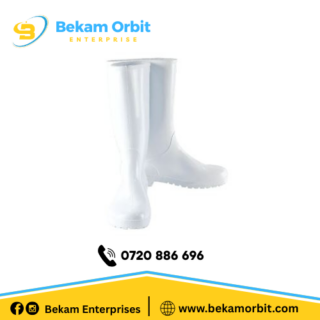 White light duty gumboots
KShs800.00
White light duty gumboots
KShs800.00
-
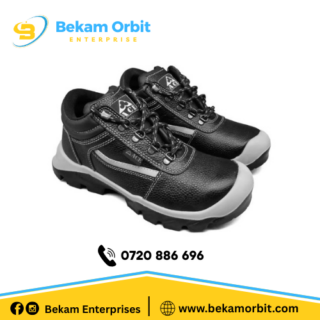 Ace Duma Safety Shoes
KShs3,100.00
Ace Duma Safety Shoes
KShs3,100.00