
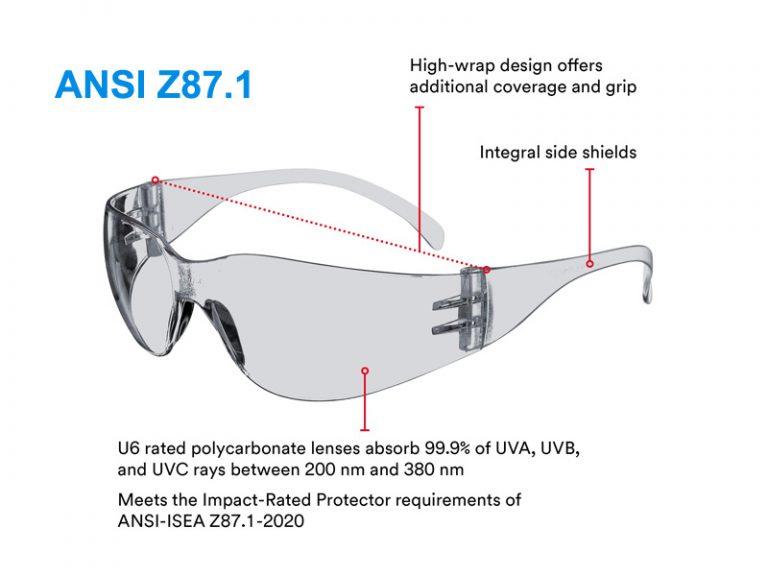
Choosing Safety Glasses: ANSI Z87.1 vs EN 166 – A Comprehensive Guide
If you’re comparing ANSI Z87.1 vs EN 166 in Kenya, you’re looking at two of the most recognized safety eyewear standards globally. They exist for one simple reason: to prove your safety glasses or goggles have been tested and marked for real hazards—impact, dust, chemical splashes, and optical radiation—so buyers don’t rely on “it looks tough.”
When diving deeper into safety standards, the comparison between ANSI Z87.1 vs EN 166 is crucial for ensuring optimal protection in various work environments.
Shopping for compliant eyewear right now? Explore Safety Glasses & Goggles in Kenya
Why these standards matter on Kenyan sites
Understanding the nuances of ANSI Z87.1 vs EN 166 can significantly impact your choice of safety eyewear.
On real jobsites, most eye injuries happen because of:
- Flying particles (grinding, drilling, hammering, cutting)
- Dust and fine dust (cement, woodwork, quarry/stone, cleaning)
- Liquid splashes (detergents, acids/alkalis, lab chemicals)
- Injurious light/radiation (welding/cutting work)
Regulators and safety programs globally treat eye protection as a mandatory hazard-control measure (hazard assessment → right PPE → correct fit). OSHA’s eye/face protection rule lists hazards like flying particles, liquid chemicals, acids/caustics, and injurious light radiation as situations where employers must ensure appropriate protection is used. (OSHA)
If your team is buying PPE as a package, not just eyewear, you can also browse PPE & Safety Equipment in Nairobi
What ANSI/ISEA Z87.1 means (and what to look for)
For those in industries where eye safety is paramount, knowing ANSI Z87.1 vs EN 166 can guide you in selecting the right protective gear.
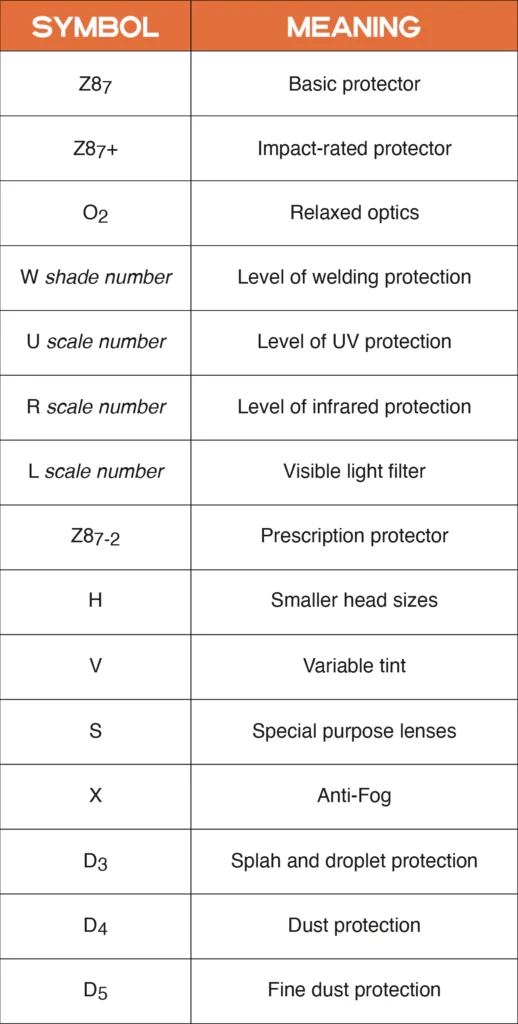
ANSI/ISEA Z87.1 is a U.S.-dominant standard that defines performance, testing, and permanent marking requirements for occupational/educational eye and face protection. (ISEA)
Big update
In January 2026, the International Safety Equipment Association announced the publication of ANSI/ISEA Z87.1-2025 (the latest revision), which focuses on clearer selection and hazard matching. (ISEA)
Practical Kenya takeaway: you’ll still see a lot of stock labeled Z87.1-2010 / Z87.1-2020, but newer import documentation may reference Z87.1-2025.
How to decode common ANSI Z87.1 markings (the ones buyers actually use)
You’ll typically find markings on the lens and/or frame.
1) Impact rating
- Z87 = basic impact
- Z87+ = high-impact (preferred for grinders, fundis, workshop tasks, construction debris) (HeighTech Safety Australia)
2) Splash and dust codes (especially important for goggles)
- D3 = droplet/splash protection
- D4 = dust protection
- D5 = fine dust protection (WorkSafe GEAR Australia)
3) Filters (UV / IR / welding / visible light)
ANSI also uses filter codes such as U/R/L and welding shade designations, depending on the lens type.
What EN 166 means (and what to look for)
The differences between ANSI Z87.1 vs EN 166 standards are essential for anyone looking to ensure maximum eye safety.
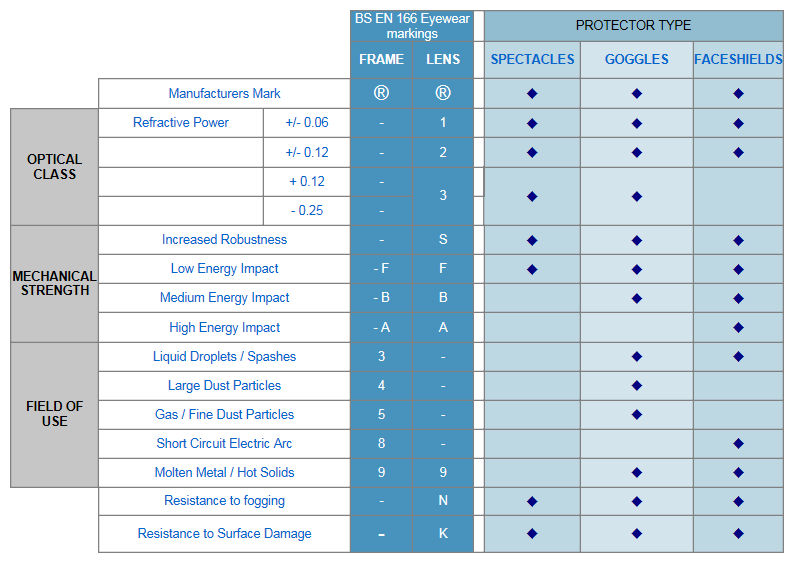
EN 166 is Europe’s core standard for personal eye protection (often used internationally because many global brands certify to it). It uses a structured marking system that can show optical class, impact level, and optional “field of use” hazard protection.
Another big update: EN 166 → EN ISO 16321
BSI Group explains that EN ISO 16321 replaces EN 166 and several related eye protection standards, with EN 166 formally withdrawn. (BSI)
Separately, uvex notes EN ISO 16321 was published as the replacement in May 2023, with legal adoption timelines impacting what can be newly certified. (uvex-safety.co.uk)
Practical Kenya takeaway: EN 166 markings remain common in the market, but buyers should expect to see EN ISO 16321 increasingly on “new generation” documentation.
How to decode EN 166 markings (simple cheat sheet)
1) Optical class (comfort and distortion control)
JSP Safety summarizes the most important part:
- Class 1: suitable for continuous wear
- Class 2: intermittent use
- Class 3: not intended for long-term use (support.jspsafety.com)
2) Field-of-use numbers (very useful for choosing goggles)
uvex lists these EN 166 frame markings:
- 3: liquids (drops/splashes)
- 4: large dust particles (>5 μm)
- 5: gases/vapours/smoke/fumes/fine dust (<5 μm)
- 8: short-circuit electric arc
- 9: molten metal & hot solids (uvex-safety.com)
3) Lens properties you’ll often want in Kenya
- K: anti-scratch (surface damage resistance)
- N: anti-fog resistance (support.jspsafety.com)
ANSI Z87.1 vs EN 166: which one should you choose in Kenya?
In the debate of ANSI Z87.1 vs EN 166, the choice often rests on specific work hazards and requirements.
Neither is “better” by default. In Kenya, the smartest rule is:
- Follow the requirements in the project/tender/site rules.
- If not specified, choose based on hazard and ensure the eyewear is correctly marked for that hazard.
- Prioritize fit + comfort so workers keep it on (fogging and poor fit are the #1 reason people remove eyewear mid-task).
What to buy in Kenya (the product mix that covers 90% of real use cases)
When making purchases, consider the implications of ANSI Z87.1 vs EN 166 in your decision-making process.
1) Impact-rated safety glasses (daily driver)
Best for: construction, workshops, warehouses, drilling, cutting, grinding, and support work
Look for: Z87+ (ANSI) or EN 166 impact-rated eyewear (and side coverage)
Why: high-impact marking is the quickest “shortcut” to safer buying for flying debris.
Need helmets + eyewear as a set? See Safety Helmets & Head Protection Options
2) Sealed chemical splash goggles (for detergents, acids/alkalis, labs)
Best for: cleaning chemicals, chemical mixing, sanitizing, and lab handling
Look for:
- ANSI: D3 splash protection (WorkSafe GEAR Australia)For applications involving hazardous materials, understanding ANSI Z87.1 vs EN 166 is fundamental to your safety.
- EN: frame marking “3” for liquids/splashes (uvex-safety.com)
Pro buying tip (Kenya): for higher-risk pouring/mixing, combine goggles with a face shield for extra coverage—standards and safety guidance consistently treat face protection as a separate layer where splash or projectile hazards exist. (Institute for Transportation)
Add that extra layer here: Check out Face Shields & Safety Visors
3) Dust and fine-dust goggles (cement, woodwork, quarry, cleaning)
Best for: cement handling, woodworking, stone cutting, sweeping in dusty warehouses
Look for:
- ANSI: D4 (dust) or D5 (fine dust). Evaluating your needs through the lens of ANSI Z87.1 vs EN 166 can help you choose more effectively.
- EN: “4” (large dust) or “5” (fine dust/fumes/vapours) (uvex-safety.com)
If dust is the problem, pairing eye protection with respiratory protection reduces overall exposure: Browse Dust Masks & Respirators for Construction
4) Anti-fog + all-day comfort eyewear (the compliance saver)
Best for: hot worksites, humid environments, high-exertion jobs
Look for:
- EN: N (anti-fog) and ideally Optical Class 1 for long wear (support.jspsafety.com)
- Choose designs that seal appropriately for the hazard without trapping heat (indirect vents help for splash goggles).
5) Welding and radiation-related eyewear (filters must match the job)
In welding and bright light environments, the ANSI Z87.1 vs EN 166 comparison is vital for choosing appropriate eyewear.
Best for: welding support tasks, cutting, brazing, and bright light exposure
Look for: correct filter markings and shade designations appropriate to the task. Z87.1 covers hazards, including non-ionizing radiation, and sets requirements for markings and use guidance. (The Vision Council)
The fastest “match hazard to marking” guide (Kenya-friendly)
Ultimately, your choices should reflect the standards of ANSI Z87.1 vs EN 166 based on your work’s specific demands.
- Grinding/flying particles: prefer Z87+
- Chemical splash cleaning/labs: goggles with D3 or EN 3
- Cement/quarry / fine dust: goggles with D5 or EN 5
- All-day wear: EN Optical Class 1 (clarity for continuous wear)
- Fogging complaints: buy anti-fog marked lenses (EN N where applicable)
How to avoid “almost compliant” eyewear (common buying mistakes)
Being informed about ANSI Z87.1 vs EN 166 can prevent common buying mistakes in safety eyewear.
- Don’t rely on the box. Confirm permanent markings on lens/frame. (Z87.1 places strong emphasis on marking and selection guidance.) (ISEA)
- Don’t use open spectacles for splash work. Splash needs sealed goggles (D3 / EN 3).
- Don’t ignore fogging. If workers remove eyewear mid-task, your “compliance” becomes paper-only. Buy anti-fog + better fit.
- Ask for documentation on imports. With EN 166 transitioning to EN ISO 16321, you want clarity on what the product is certified to.Documentation should clearly indicate whether products meet ANSI Z87.1 vs EN 166 standards.
Read next
- Read: Safety Glasses vs Safety Goggles (Differences & Best Use)
- Explore: Eye Protection Buying Guides
FAQs (SEO-friendly)
Consider frequently asked questions about ANSI Z87.1 vs EN 166 when selecting your eyewear.
1) Is Z87 the same as Z87+?
No. Z87+ indicates higher performance than the basic Z87.
2) What does D3 mean on goggles?
D3 indicates droplet/splash protection under ANSI marking conventions used for eye protection.
3) What do EN 166 numbers 3, 4, 5, 8, 9 mean?
They are “field-of-use” markings (e.g., 3 splash, 4 large dust, 5 fine dust/fumes, 8 electric arc, 9 molten metal/hot solids).]
4) What is Optical Class 1 on EN eyewear?
Optical class 1 is suitable for continuous wear (best clarity/lowest distortion for long shifts). ]
Understanding the classifications within ANSI Z87.1 vs EN 166 can enhance your selection process.
5) Is EN 166 still okay to buy in Kenya?
EN 166-marked products are still widely sold, but standards bodies are transitioning to EN ISO 16321 for new certifications, so it’s smart to request documentation from suppliers. ]
6) Which is better for chemical handling: glasses or goggles?
For splash risk, sealed goggles (D3 / EN 3) are the safer choice, and for higher risk, you may add a face shield as an extra layer.
In summary, always weigh the ANSI Z87.1 vs EN 166 debate to ensure the best protection for your eyes.



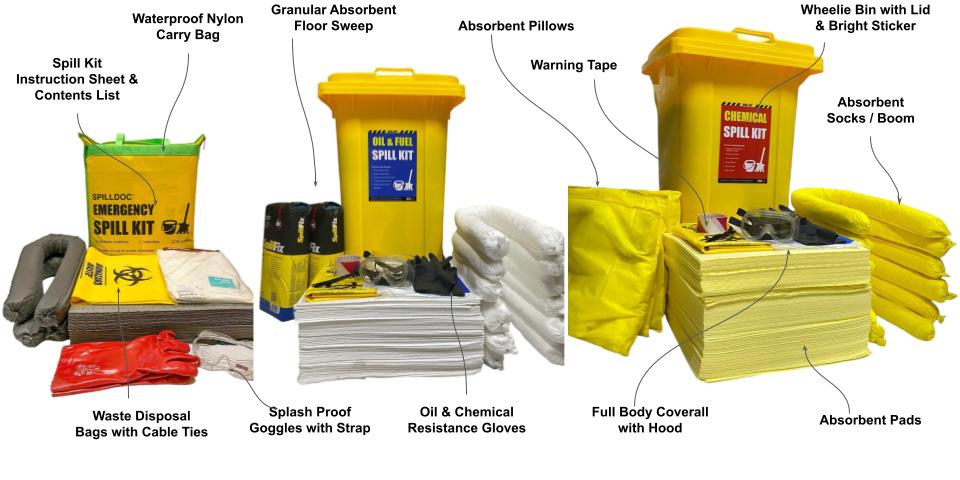
Product Gallery
Featured Products
-
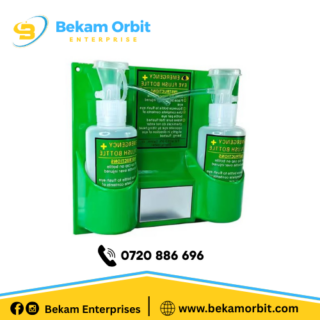 wall-mounted with 1000 ml bottles emergency eye wash station
KShs9,000.00
wall-mounted with 1000 ml bottles emergency eye wash station
KShs9,000.00
-
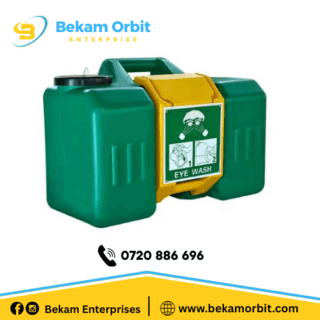 9-Gallon Gravity-Flow Portable Eye Wash Station
KShs17,000.00
9-Gallon Gravity-Flow Portable Eye Wash Station
KShs17,000.00
-
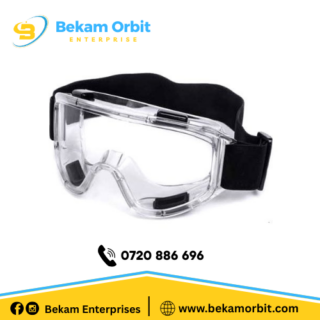 Lab Safety Goggles
KShs400.00
Lab Safety Goggles
KShs400.00
-
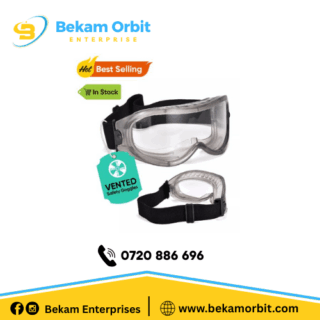 Over Glasses Safety Goggles
KShs700.00
Over Glasses Safety Goggles
KShs700.00
-
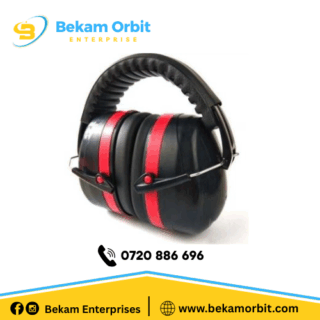 Safety Noise Cancelling Earmuffs
KShs1,300.00
Safety Noise Cancelling Earmuffs
KShs1,300.00
-
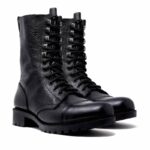
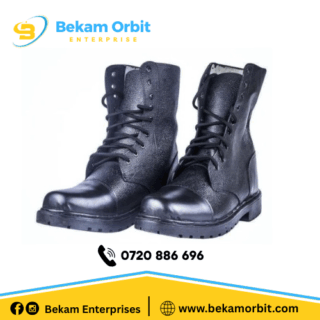 Askari Security Boots
KShs1,800.00
Askari Security Boots
KShs1,800.00
-
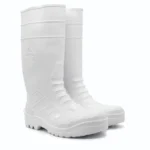
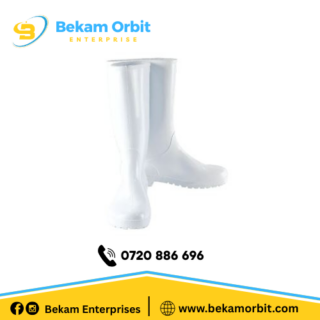 White light duty gumboots
KShs800.00
White light duty gumboots
KShs800.00
-
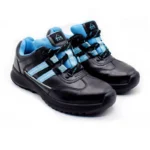
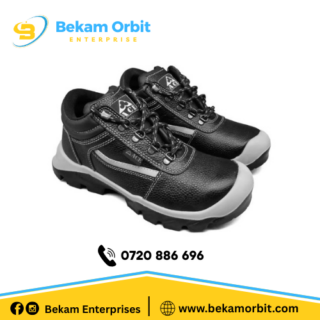 Ace Duma Safety Shoes
KShs3,100.00
Ace Duma Safety Shoes
KShs3,100.00














Leave a Reply