Class 1 vs Class 2 vs Class 3 Safety Vests in Kenya: Which Reflective Vest Should You Wear?
If you’ve ever searched Class 1 vs Class 2 vs Class 3 safety vests, you already know one thing: not every reflective vest is “the same.” The difference is visibility coverage—how much fluorescent background fabric + reflective tape your vest has, and how well it helps drivers and machine operators spot you in time.
This Bekam guide explains Class 1 vs Class 2 vs Class 3 safety vests in Kenya (with real job examples), how the standards work (ANSI/ISEA 107 and EN ISO 20471), and the safest way to choose the right reflective vest for roads, sites, warehouses, and security teams. (Qore Performance)
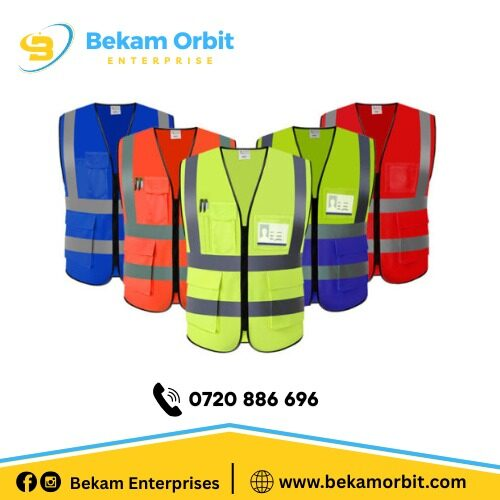
Shop reflective vests on Bekam Orbit:
-
High Visibility Multi-Pocket Reflective Safety Vest (Class II style)
-
180 GSM Black Reflective Vest Executive (ANSI Class 2 style)
(Standards background is adapted from Qore Performance + ANSI/ISEA guidance, expanded with EN ISO 20471 notes.) (Qore Performance)
First: What do “Class 1 / 2 / 3” actually mean?
In both major hi-vis frameworks:
-
Higher class = more high-visibility material + more reflective tape
-
More coverage = better chance of being seen earlier, especially in traffic, low light, rain/fog/dust, or busy backgrounds.
You’ll commonly see these standards referenced on labels or supplier specs:
-
ANSI/ISEA 107 (often used on roadway/public safety garments; it also uses “Types” + “Performance Classes”)
-
EN ISO 20471 (international hi-vis clothing standard; also uses Classes 1/2/3)
In Kenya, many reflective vests are marketed as “Class 2” or “Class 3” (sometimes “ANSI Class 2 style”). The safest move is: check the label and match it to the risk on site.
Quick comparison: Class 1 vs Class 2 vs Class 3 safety vests
| Safety vest class | Visibility level | Best for | Typical reality on Kenyan worksites |
|---|---|---|---|
| Class 1 | Basic / minimum | Low-risk, controlled areas | Warehouses, yards, parking zones (low speed) |
| Class 2 | Medium/strong | Moderate traffic + complex backgrounds | Construction sites, roadside work (not high-speed highway), logistics yards |
| Class 3 | Maximum | High-speed traffic + low visibility | Road works near fast-moving vehicles, night work, heavy rain/fog, high-risk flagging |
Qore summarizes Class 1 as minimum visibility for low-risk areas, Class 2 as heavier traffic/complex environments, and Class 3 as maximum visibility in high-speed, low-visibility situations.
EN ISO 20471 also classifies Class 1/2/3 as low/medium/high risk of being overlooked, with Class 3 for fast-moving traffic or low-visibility conditions.
ANSI “Types” matter too (many people miss this)
If you’re using ANSI/ISEA 107, it’s not only “Class 1/2/3.” ANSI also groups garments by Type:
-
Type O (Off-Road) → Class 1 only (controlled environments, not roadway exposure)
-
Type R (Roadway) → Class 2 or Class 3 (road construction, transport)
-
Type P (Public Safety) → Class 2 or Class 3 (police/fire/EMS style garments)
This matters because a vest can be “Class 2,” but the environment might require Type R Class 3 if workers are close to fast-moving traffic and can’t constantly monitor vehicles.
Class 1 safety vests: when they’re enough (and when they’re NOT)

What Class 1 is designed for
Class 1 is intended for minimal traffic flow and simpler work environments. Qore describes it as suitable where traffic is low and workers have fewer visibility distractions.
Ergodyne also notes that Type O (off-road) is classified as Class 1 for controlled environments such as warehouses/factories.
Typical Class 1 examples in Kenya
-
Warehouse pick/pack areas (forklifts at low speed)
-
Parking attendants and controlled compound movement
-
Yard work away from roads
-
Indoor industrial areas where vehicles are slow and predictable
Class 1 warning (very important)
If your team is near:
-
active roadways,
-
reversing trucks,
-
public traffic,
-
night operations,
-
rain/fog/dust,
Then Class 1 is usually not enough—move to Class 2 or Class 3. (Qore Performance)
Bekam category where you can start browsing vests:
Reflective Safety Vests – High Visibility Gear
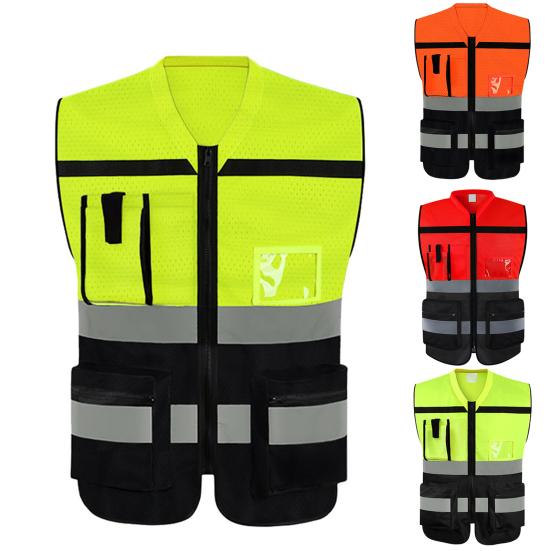
Class 2 safety vests: the “most-used” choice for sites and busy operations
What Class 2 is designed for
Class 2 is for a higher visibility risk than Class 1—more traffic, more visual clutter, and a greater chance you’ll blend into the background.
Qore highlights Class 2 for heavier traffic and complex environments, with more reflective tape and background material than Class 1.
Ergodyne frames roadway work as Type R with Class 2 or Class 3, commonly used by road construction and airport ramp workers. (Ergodyne)
Typical Class 2 examples in Kenya
-
Construction sites (mixed vehicles + pedestrians)
-
Logistics hubs and dispatch yards
-
Roadside maintenance on lower-speed roads (where risk is moderate)
-
Utility work (daytime, moderate traffic)
Best-selling Class 2-style picks to link inside your blog
-
High Visibility Multi-Pocket Reflective Safety Vest (Class II style)
-
180 GSM Black Reflective Vest Executive (ANSI Class 2 style)
Class 3 safety vests: maximum visibility for high-speed and low visibility
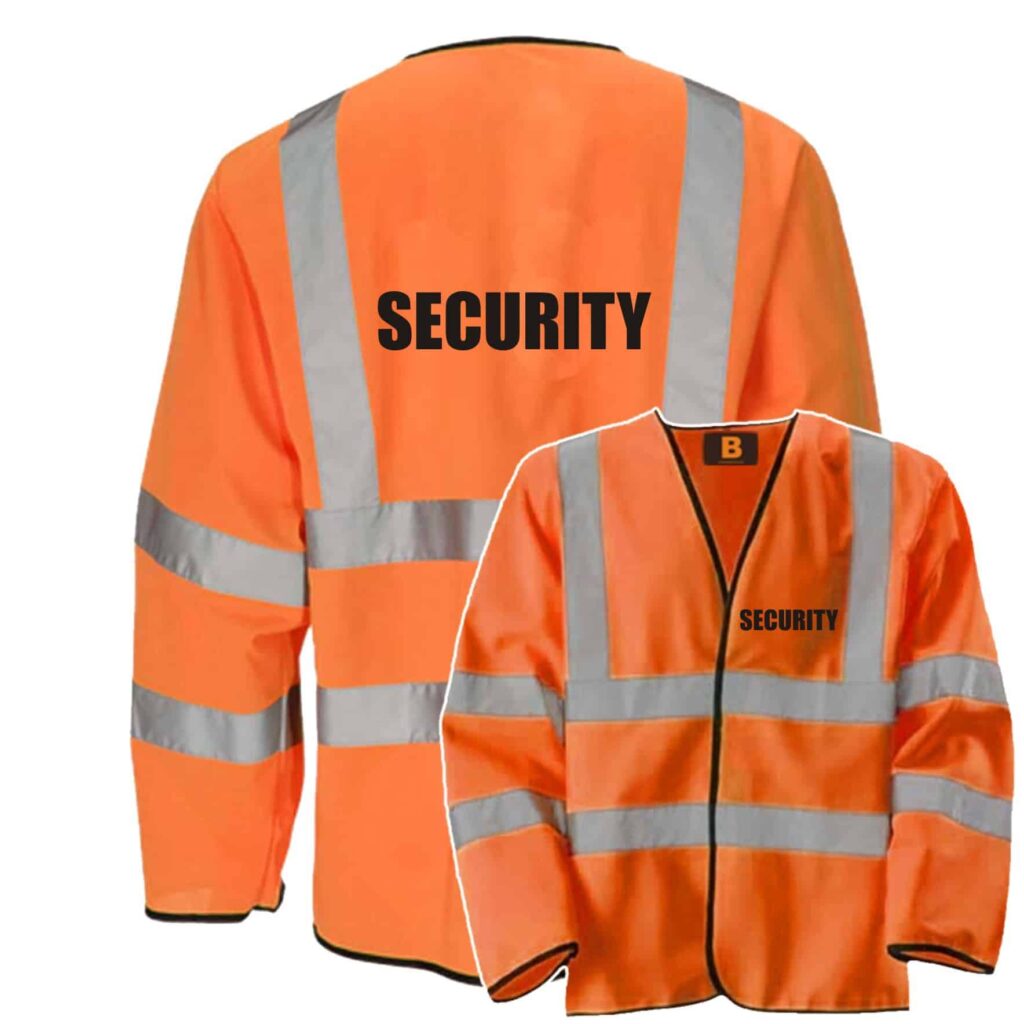
What Class 3 is designed for
Class 3 is for the highest-risk environments—fast-moving traffic and conditions where drivers need to identify you from farther away (night work, storms, fog, rain, complex backgrounds). (Qore Performance)
Ergodyne notes Class 3 is intended for high-speed traffic hazards (e.g., flaggers/DOT-style workers), and it’s never a bad idea to be “too visible” if in doubt.
EN ISO 20471 also describes Class 3 for fast-moving traffic or low-visibility conditions and highlights that Class 3 typically adds coverage to arms/legs to support all-around visibility.
Class 3 reality: you often need sleeves/extra coverage
Many Class 3 setups are not just a sleeveless vest. Class 3 frequently requires more body coverage (for example, jacket + trousers or garments with sleeves) to achieve the required visible material area.
Best Class 3-style approach for Kenya (practical)
If your teams work:
-
on highways or high-speed roads,
-
in early morning/night,
-
in heavy rain/fog,
-
around fast trucks and poor lighting,
Then think beyond a basic vest. Consider hi-vis jackets or outerwear with reflective tape coverage:
The safest way to choose: a simple “risk match” checklist
When choosing Class 1 vs Class 2 vs Class 3 safety vests, base your decision on 5 things:
-
Traffic speed near workers (slow yard vs road vs highway)
-
Distance to traffic (are workers inside the right-of-way?)
-
Light conditions (day/dawn/night)
-
Weather/visibility (rain, fog, dust, smoke)
-
Background complexity (busy signage, headlights, many vehicles, machinery)
Rule of thumb for Kenya:
-
If it’s controlled and low speed → Class 1
-
If there’s active vehicle movement and visual clutter → Class 2
-
If it’s high speed, night work, storms, or serious exposure → Class 3
Maintenance tips (so your reflective vest stays effective)
Even the right class won’t help if the vest is dirty, faded, or tape is peeling.
-
Replace vests with cracked/peeling reflective tape
-
Wash according to garment instructions (too much harsh scrubbing reduces reflectivity)
-
Store away from heavy sun/heat to reduce fabric fade
-
Don’t cover the reflective tape with backpacks/tool straps for roadway tasks (visibility drops)
ANSI/ISEA 107 focuses on color, retroreflection, and garment configuration to ensure visibility across conditions; maintaining the garment helps keep those features effective.
FAQs: Class 1 vs Class 2 vs Class 3 safety vests
Is “Class 2” the best class?
Not always. Class 2 is the most common for general sites, but Class 3 is the safer choice when traffic is fast or visibility is poor.
What’s the difference between ANSI/ISEA 107 and EN ISO 20471?
Both define visibility performance using Class 1/2/3, but ANSI/ISEA 107 also uses Types (O, R, P) tied to work environments (off-road vs roadway vs public safety).
Can a sleeveless vest be Class 3?
Sometimes Class 3 requires additional body coverage (arms/legs) to reach the higher visibility area requirements—often achieved by jackets, coveralls, or combinations.
Shop reflective safety vests in Kenya
Start here:
Popular vest options:
For higher-risk conditions/outerwear:
Security teams:
📍 Pickup/Office: Accra Towers, 3rd Floor, T5 (next to Accra Hotel), Nairobi.



Product Gallery
Featured Products
-
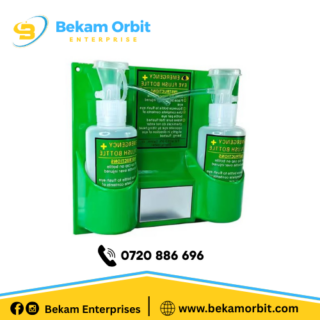 wall-mounted with 1000 ml bottles emergency eye wash station
KShs9,000.00
wall-mounted with 1000 ml bottles emergency eye wash station
KShs9,000.00
-
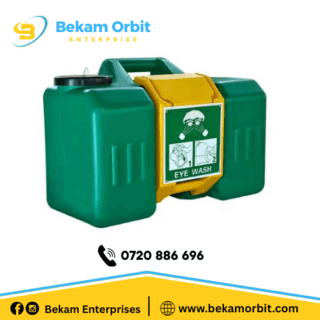 9-Gallon Gravity-Flow Portable Eye Wash Station
KShs17,000.00
9-Gallon Gravity-Flow Portable Eye Wash Station
KShs17,000.00
-
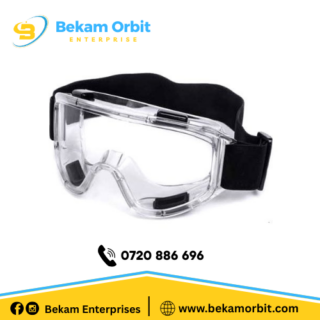 Lab Safety Goggles
KShs400.00
Lab Safety Goggles
KShs400.00
-
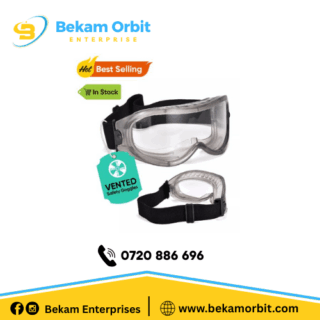 Over Glasses Safety Goggles
KShs700.00
Over Glasses Safety Goggles
KShs700.00
-
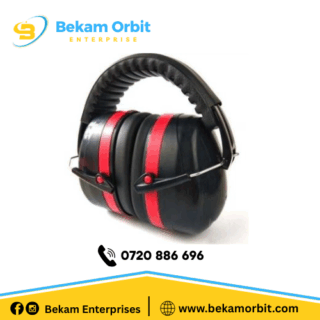 Safety Noise Cancelling Earmuffs
KShs1,300.00
Safety Noise Cancelling Earmuffs
KShs1,300.00
-
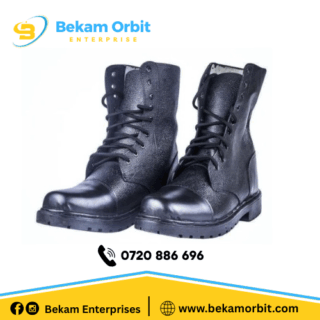 Askari Security Boots
KShs1,800.00
Askari Security Boots
KShs1,800.00
-
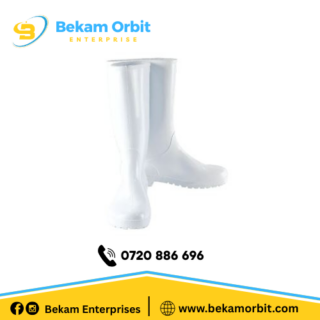 White light duty gumboots
KShs800.00
White light duty gumboots
KShs800.00
-
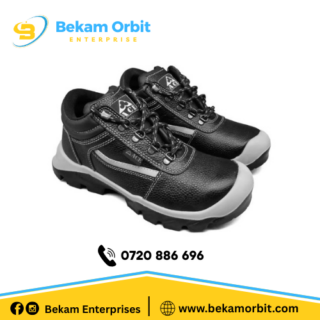 Ace Duma Safety Shoes
KShs3,100.00
Ace Duma Safety Shoes
KShs3,100.00