
Recently Viewed Products
-
 Unisex Polycotton Bib Apron Nairobi
KShs450.00
Unisex Polycotton Bib Apron Nairobi
KShs450.00
-
 “Antiskid Slip-Resistant Crocs” (All-Purpose Work Clogs)
KShs3,000.00
“Antiskid Slip-Resistant Crocs” (All-Purpose Work Clogs)
KShs3,000.00
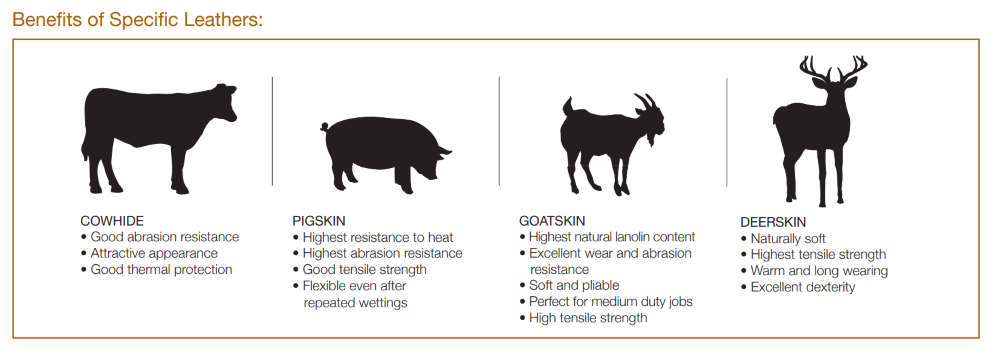
Cowhide vs Goatskin vs Pigskin vs Elkskin: Which Leather Makes the Best Welding Gloves in Kenya?
In our discussion of cowhide vs goatskin vs pigskin, we will explore the advantages and disadvantages of each type of leather.
If you sell (or buy) welding gloves in Kenya, you’ve probably noticed customers asking questions like:
-
“Which leather lasts longer — cowhide or goatskin?”
-
“Why do TIG welders prefer goatskin?”
-
“Are pigskin gloves okay if I work in a sweaty, oily workshop?”
-
“Is elk skin actually better — or just more expensive?”
This guide breaks down the four common leather types used for welding leather gloves — cowhide, goatskin, pigskin, and elkskin — and helps Kenyan welders choose the right one based on heat, sparks/spatter, dexterity, durability, and workshop conditions.
Understanding cowhide vs goatskin vs pigskin is crucial for making informed choices about welding gloves.
And importantly, leather type is only half the story. The right leather should also be matched to the appropriate welding glove category (Type A vs. Type B) under EN 12477, so buyers don’t pick a soft glove for a high-spatter job.
Why leather type matters for welding gloves
Welding gloves need to handle multiple hazards at once: sparks/spatter, short-flame exposure, heat (contact/convective/radiant), and mechanical risks from metal edges and handling tools. EN 12477 is the main standard for welder gloves and specifies protection requirements for welding and related tasks. (ANSI Webstore)
In Nairobi workshops — from gates/grills fabrication to structural work, plant maintenance, and garage repairs — glove choice affects:
-
How long gloves last before tearing through
-
How well you can control a torch/rod
-
How fast hands heat up during long weld runs
-
How comfortable gloves feel in hot, dusty, oily environments
EN 12477 Type A vs Type B (simple explanation)
Before comparing leather types, get this part right:
-
Type A welding gloves = higher protection, thicker build, usually less dexterity. Best for processes that involve more spatter/heat exposure.
-
Type B welding gloves = better fit and dexterity, usually lower heat protection compared to Type A. Often preferred for tasks like TIG, where control matters most. (Soft Touch® – we know gloves)
Many EN 12477 welding gloves are also tested to EN 388 (mechanical risks) and EN 407 (heat risks) as part of the overall performance expectations.
Quick comparison table: which leather is best for which welding job?
Goatskin:In terms of breathability, pigskin stands tall in the cowhide vs goatskin vs pigskin comparison.
| Leather type | Best for | Key strengths | Common trade-offs | Typical EN 12477 fit |
|---|---|---|---|---|
| Cowhide | Stick/MMA, MIG/MAG, heavy shop work | Very durable; good abrasion + heat tolerance | Can feel stiff at first; less “feel” | Often Type A |
| Goatskin | TIG, precision welding, light fabrication | Excellent dexterity + strong for its weight | Usually thinner; may not suit heavy spatter jobs | Often Type B |
| Pigskin | Hot/humid/oily workshops; light-to-medium duty handling | Breathable; stays supple when wet; comfortable | Not always the top pick for high-heat welding; check build + standard | Usually, Type B styles |
| Elkskin | Premium heavy-duty work needing comfort + toughness | Very tough yet soft/supple; high abrasion resistance | Higher cost; less common locally | Often premium “driver”/work builds |
1) Cowhide welding gloves: the “workhorse” leather
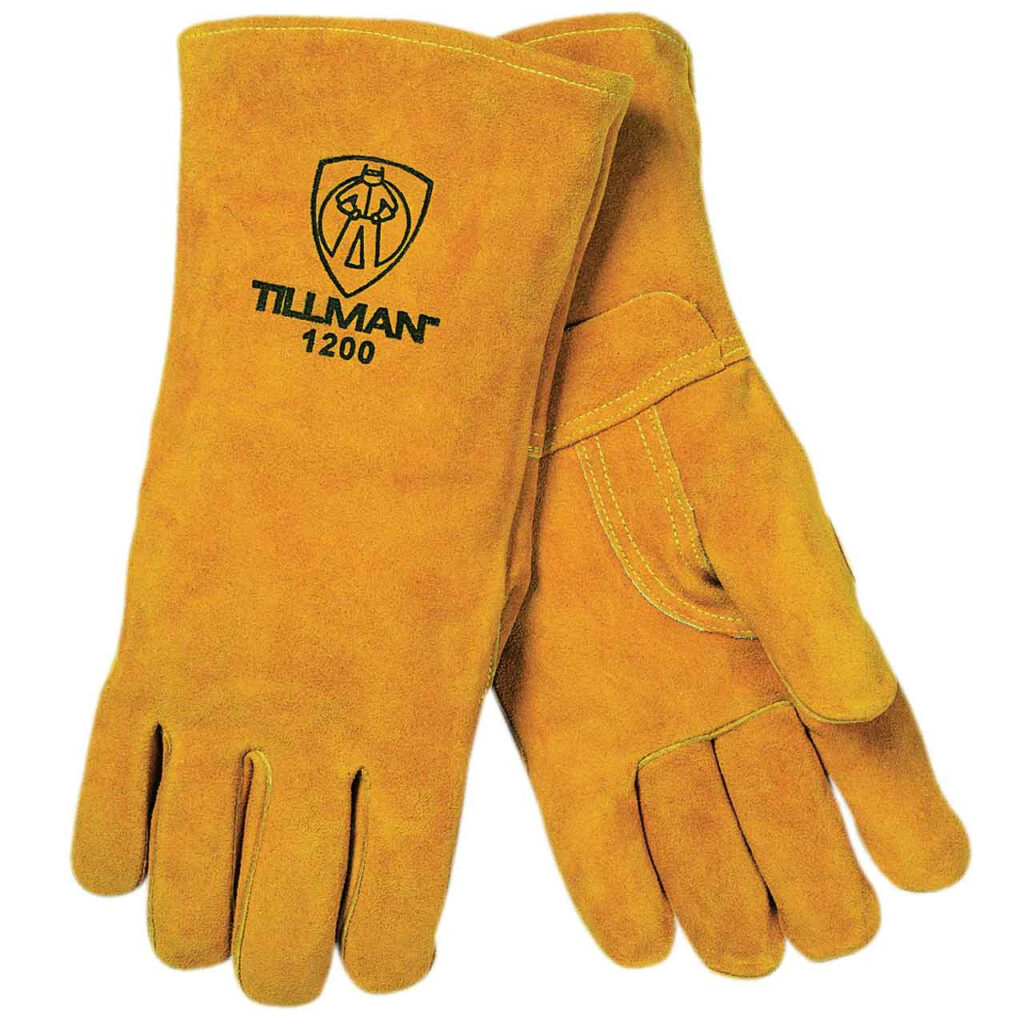
Cowhide is one of the most common leathers for heavy-duty work gloves because it’s durable and resists abrasion and rough handling. Some industry selection guides note cowhide’s resistance to dirt, water, heat, and abrasion, though it may feel stiff initially and breaks in over time.
When comparing cowhide vs goatskin vs pigskin, it’s essential to consider performance.
When cowhide is a smart choice in Kenya
Choose cowhide when your customers want:
-
A glove that survives daily fabrication (handling steel, grinding setup, tack welding)
-
A more “armored” glove for stick/MMA or MIG/MAG work, where sparks and spatter are frequent
-
Better cuff and palm protection (common in split-leather cowhide welding gloves)
What to recommend on cowhide gloves
If you’re writing product descriptions or advising buyers, highlight:
-
Split cowhide cuff for wrist/forearm shielding
-
Double palm or reinforced palm patches for lifespan
-
Heat-resistant lining for longer runs
-
Aramid stitching (often used for heat durability)
Best match: Cowhide often pairs well with Type A welding gloves for higher-protection setups (especially when thicker and lined).
2) Goatskin welding gloves: best “feel” for TIG and precision work
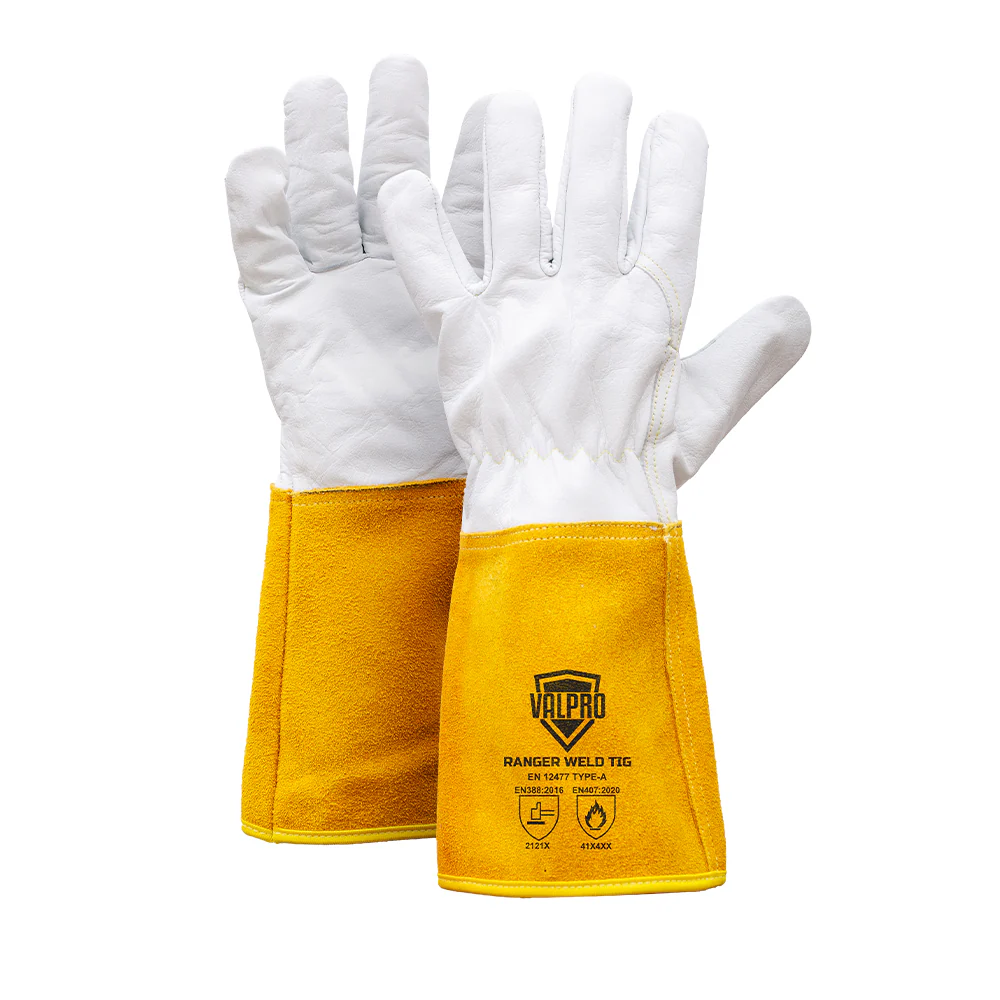
Goatskin is famous for dexterity — it stays soft and flexible while still offering strong performance for its thickness. Welding industry guidance often notes that goatskin offers excellent abrasion and tensile strength relative to its weight, making it well-suited for TIG gloves where control is the priority. (Baker’s Gas & Welding Supplies, Inc.)
When goatskin wins (Nairobi buyer behavior)
Goatskin is ideal when welders say:
-
“I need to feel the torch and filler rod.”
-
“My gloves are too bulky — I can’t control the weld.”
-
“I’m doing TIG on stainless, thinner metals, or detailed jobs.”
Goatskin tips
-
“Goatskin is preferred for torch control and hand movement.”
-
Recommend Type B for welders prioritizing fit/dexterity (commonly associated with TIG).
For TIG welding, the choice often comes down to cowhide vs goatskin vs pigskin gloves.
3) Pigskin gloves: comfort in hot, sweaty, oily workshops
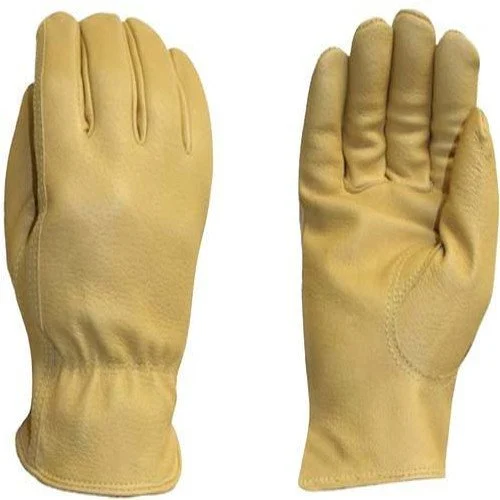
Pigskin is a strong option when comfort and moisture behavior matter. Multiple glove material guides highlight that pigskin is breathable and tends to stay softer after getting wet, thanks to its porous structure (often attributed to natural oils). (blog.pyramexsafety.com)
Pigskin offers unique benefits in the cowhide vs goatskin vs pigskin discussion.
Where pigskin makes sense in Kenya
Pigskin can be a great recommendation for:
-
Workshops where hands sweat a lot (hot corrugated iron roofs, limited ventilation)
-
Jobs mixing welding with mechanical handling (tools, moving parts, general handling)
-
Light-to-medium duty tasks where comfort and grip are key
The honest caveat (important for trust)
Pigskin is excellent as a work glove leather, but for high-spatter welding tasks, buyers should still prioritize:
-
EN 12477 rating
-
Proper cuff length
-
Lining and palm reinforcement
If you position pigskin correctly (“great workshop glove; ensure welding rating for welding use”), you gain credibility and reduce returns.
4) Elkskin gloves: premium toughness with surprising softness
Elkskin is often described as a very tough leather that still feels soft and supple — a premium combination. Some manufacturers explicitly claim elkskin fibers are stronger than cowhide and provide greater abrasion/wear resistance. (JRC Glove)
When to recommend elkskin
Elkskin is a strong “upgrade” when customers want:
-
Heavy-duty durability without the stiff break-in feel
-
Long wear life for rugged manual work
-
A premium glove feel (comfort + strength)
How to choose the best welding leather in 30 seconds (buyer guide)
-
Start with welding type
-
TIG / precision → Goatskin, likely Type B
-
MIG/MAG / Stick / heavy spatter → Cowhide, likely Type A
-
Check the workshop environment
-
Hot / sweaty / sometimes wet → Pigskin (stays supple after wet)
-
Rugged, heavy handling → Cowhide or Elkskin
-
Verify the marking
Look for EN 12477 labeling (and ideally supporting EN 388/EN 407 markings for mechanical/heat performance expectations).
What “quality” looks like (regardless of leather)
Even the best leather can fail if the glove construction is poor. When buying, you need to check;
-
Palm reinforcement / double palm
-
Cuff length (more coverage for higher spatter)
-
Stitching type (heat-resistant thread)
-
Lining (adds comfort and heat buffering)
-
Fit (too loose reduces control; too tight stresses seams)
Recommended pages that will help you makean informed purchase choice
FAQs (SEO-friendly)
1) Which leather is best for TIG welding gloves?
Goatskin is commonly preferred because it’s soft, flexible, and offers excellent dexterity and strength for its weight—ideal for precise torch control.
When evaluating the options of cowhide vs goatskin vs pigskin, consider your specific needs.
2) Which leather is best for stick/MMA or heavy MIG welding?
Cowhide is often the best fit for heavier welding work because it’s durable and resists abrasion and heat exposure, especially in thicker builds.
3) Are pigskin leather gloves good in hot or sweaty workshops?
Yes. Pigskin is widely described as breathable and tends to remain soft even after getting wet, making it comfortable in hot, humid, or sweaty conditions.
Ultimately, the choice of cowhide vs goatskin vs pigskin will depend on the welding applications you require.
4) Is elkskin better than cowhide for welding gloves?
Elkskin is often positioned as a premium option—very tough with strong abrasion resistance while remaining soft and supple —but it usually costs more.
5) What does EN 12477 Type A vs Type B mean?
Type A generally means greater protection (often thicker and less dexterous). Type B generally means better dexterity and fit, commonly preferred when control matters (like TIG).
Understanding the differences in cowhide vs goatskin vs pigskin can guide your purchasing decisions.


Product Gallery
Featured Products
-
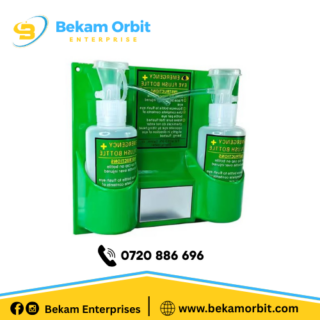 wall-mounted with 1000 ml bottles emergency eye wash station
KShs9,000.00
wall-mounted with 1000 ml bottles emergency eye wash station
KShs9,000.00
-
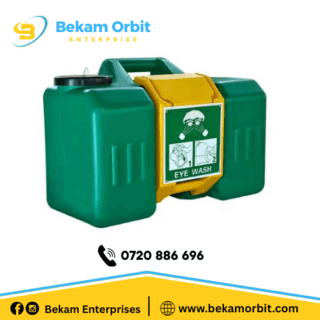 9-Gallon Gravity-Flow Portable Eye Wash Station
KShs17,000.00
9-Gallon Gravity-Flow Portable Eye Wash Station
KShs17,000.00
-
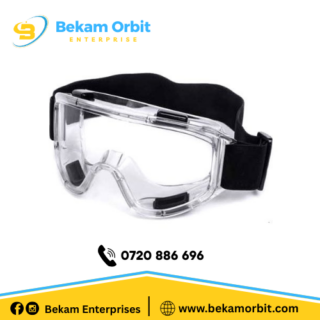 Lab Safety Goggles
KShs400.00
Lab Safety Goggles
KShs400.00
-
 Over Glasses Safety Goggles
KShs700.00
Over Glasses Safety Goggles
KShs700.00
-
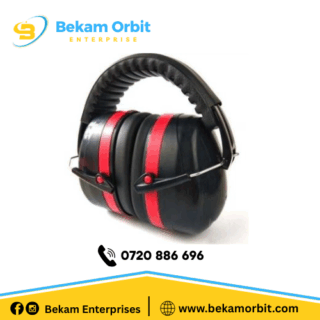 Safety Noise Cancelling Earmuffs
KShs1,300.00
Safety Noise Cancelling Earmuffs
KShs1,300.00
-
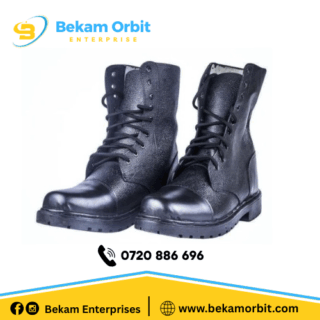 Askari Security Boots
KShs1,800.00
Askari Security Boots
KShs1,800.00
-
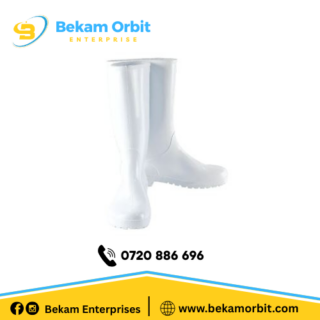 White light duty gumboots
KShs800.00
White light duty gumboots
KShs800.00
-
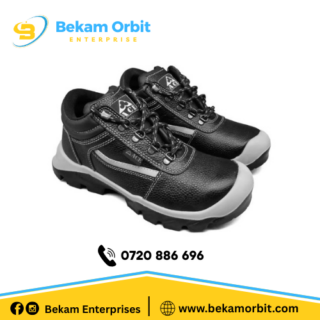 Ace Duma Safety Shoes
KShs3,100.00
Ace Duma Safety Shoes
KShs3,100.00

















Leave a Reply