
Different Types of Spill Kits: A Practical Guide for Choosing the Right Spill Kit in Kenya
If you’re searching for the different types of spill kits, you’re already making a smart safety decision.
A lot of workplaces buy a spill kit and assume it will handle every spill. In practice, that can be risky. The right kit depends on what can spill, how much can spill, and where the spill may happen (for example, near drains, outdoors, or close to water). Supplier and safety guidance consistently point to matching the kit to the liquid type and spill scenario—not just buying one generic option.
If you’re setting up site readiness, you can start by shopping spill kits and spill response supplies and pairing them with the right PPE from Bekam Orbit.
Different Types of Spill Kits: Why This Choice Matters
The different types of spill kits exist because different liquids behave differently during cleanup.
For example:
- oil and fuel may require oil-only absorbents that repel water,
- hazardous chemicals need compatible absorbents plus stronger PPE,
- and some sites near waterways need faster containment planning to prevent spread into drains and the environment. (Super Spill & Safety Solutions)
This is why choosing the correct kit type improves:
- worker safety,
- cleanup speed,
- spill containment effectiveness,
- and overall site readiness.
Different Types of Spill Kits: The Main Categories You Should Know
Some suppliers describe three main types (universal, oil/fuel, chemical), while others list marine spill kits separately as a fourth category. Both approaches are common in industry content.
1) Universal (General Purpose) Spill Kits
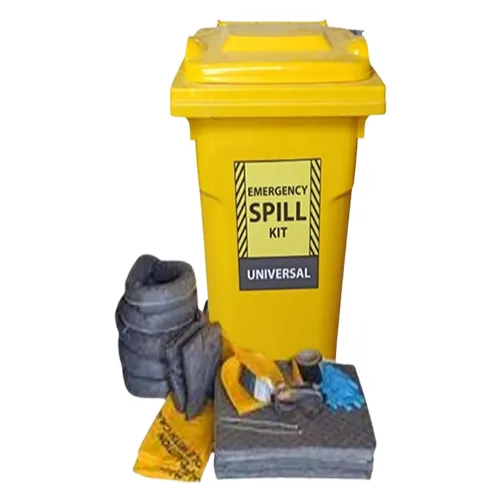
A universal spill kit (also called general purpose or maintenance spill kit) is the all-rounder for everyday spills in workshops, warehouses, and maintenance areas.
Typical uses include:
- water-based liquids
- coolants
- paints (site dependent)
- mild/non-aggressive liquids
- routine industrial maintenance spills
Supplier guides often position universal kits as the best starting option for mixed workplaces, but not as a replacement for dedicated chemical kits where aggressive chemicals are handled. (Super Spill & Safety Solutions)
Good fit in Kenya for:
- workshops
- warehouses
- factories
- institutions/facilities teams
- building maintenance teams
Support the kit with Safety Goggles and Eye Protection, Chemical Resistant Gloves for Spill Handling, and Safety Boots & Gumboots.
2) Oil & Fuel (Hydrocarbon) Spill Kits
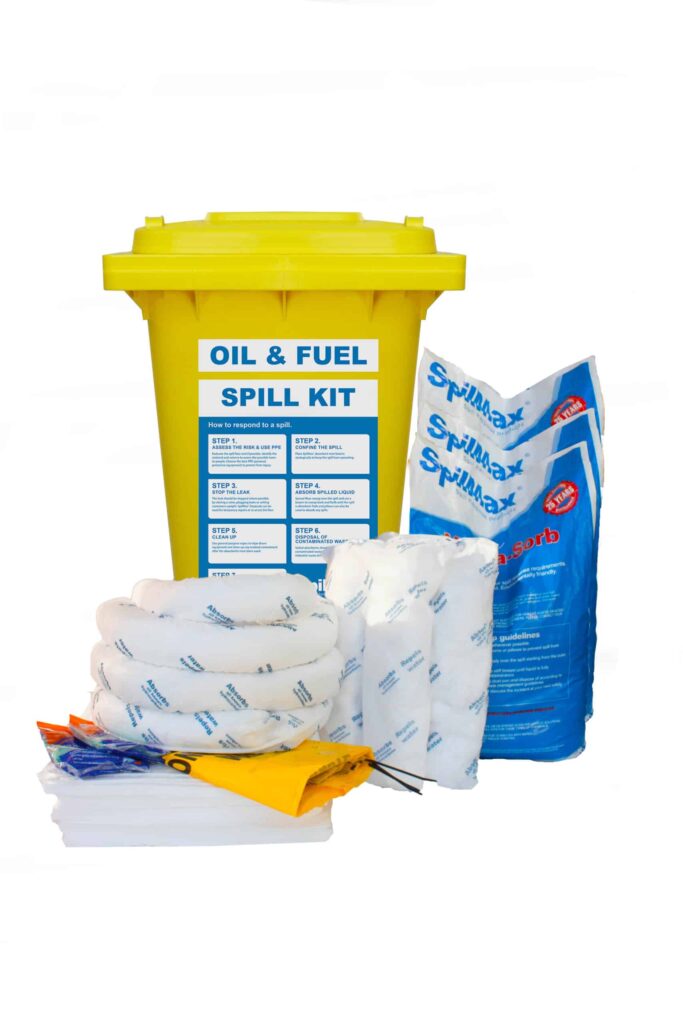
An oil spill kit or fuel spill kit is designed for hydrocarbons such as petrol, diesel, lubricants, and engine oil.
A key feature widely highlighted is that oil/fuel absorbents are hydrophobic—they repel water while absorbing oil. This makes them useful in wet areas and around stormwater drains or waterways. (Super Spill & Safety Solutions)
Best for:
- diesel
- petrol
- hydraulic oil
- engine oil
- lubricants
- hydrocarbon solvents (site compatibility applies)
EPA spill-prevention guidance also emphasizes evaluating how oil could move through drains, storm sewers, gullies, and runoff toward nearby waterways. That’s why the correct oil/fuel kit matters even more in outdoor yards and fuel-handling zones. (US EPA)
Good fit in Kenya for:
- fuel stations
- depots and transport yards
- generator rooms
- fleet service bays
- workshop fueling areas
- marine/coastal operations (including ports/marinas)
3) Chemical / HAZCHEM Spill Kits
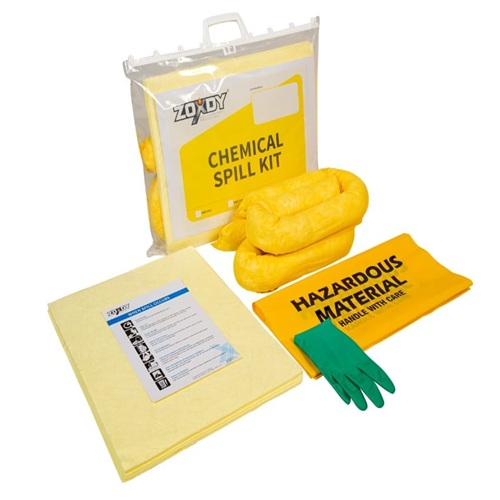
A chemical spill kit (or hazchem spill kit) is for hazardous chemicals and aggressive liquids such as acids, caustics, solvents, and other high-risk substances.
Safety guidance and supplier content both emphasize that chemical spill response should be based on the actual chemicals present, with compatible absorbents and appropriate PPE. CCOHS also notes that spill kits should be chemical/process-specific and kept well-stocked near the work area. (CCOHS)
Best for:
- acids/alkalis
- corrosive liquids
- hazardous solvents
- process chemicals
- pool chemicals (site dependent)
- laboratory chemicals (site dependent)
Before buying or using a chemical spill kit, review the SDS for the chemicals on site. OSHA’s SDS guide (Section 6: accidental release measures) specifically covers response recommendations, including containment methods, cleanup practices, PPE, and drain-covering/capping methods. (OSHA)
Good fit in Kenya for:
- labs
- chemical stores
- manufacturing plants
- maintenance chemical rooms
- hospitals/facilities handling chemicals
Pair this with Chemical Resistant Gloves for Spill Handling, Safety Goggles and Eye Protection, and Safety Signs and Signages.
4) Marine Spill Kits
Some suppliers list marine spill kits separately from standard oil/fuel kits because they are used specifically in marine or water-adjacent environments and may include floating booms and related marine-response components.
Best for:
- ports and marinas
- boatyards
- shoreline fuel handling
- facilities operating near water
If your site is near water, drains, or stormwater pathways, spill planning should consider how fast a spill can travel beyond your immediate work zone. (US EPA)
Comparison Table: Different Types of Spill Kits
| Spill kit type | Best for | Not ideal for | Key feature | Typical contents (examples) | Common Kenya use cases |
|---|---|---|---|---|---|
| Universal / General Purpose | Water-based liquids, coolants, mild spills, routine maintenance spills | Major aggressive chemical spills; oil-on-water situations | Versatile all-rounder for mixed routine spills | Absorbent pads, socks/booms, floor sweep, disposal bags, basic PPE, instructions | Warehouses, workshops, factories, facilities maintenance |
| Oil & Fuel / Hydrocarbon | Petrol, diesel, oils, lubricants, hydrocarbons | Many aggressive chemicals (unless specified) | Hydrophobic absorbents (repel water, absorb oil) | Oil-only pads/booms, disposal bags, PPE, response instructions | Fuel stations, depots, generator rooms, fleet yards, workshops |
| Chemical / HAZCHEM | Acids, caustics, corrosives, solvents, hazardous chemicals | Use without checking chemical compatibility/SDS | Chemical-focused response with compatible absorbents + stronger PPE | Chemical-resistant absorbents, PPE, disposal bags, signage/instructions, sometimes neutralizers | Labs, chemical stores, manufacturing plants, hospitals |
| Marine Spill Kit | Oil spills near/over water, ports, and marinas | General indoor non-water spill planning (unless marine risk exists) | Water-focused oil containment (often floating components) | Oil absorbents, floating booms (varies), PPE, disposal materials | Ports, marinas, coastal facilities, water-adjacent fuel handling |
This comparison aligns with how supplier guides distinguish universal, oil/fuel, chemical, and (sometimes separately) marine kits. (blog.storemasta.com.au)
What Is Inside a Spill Kit?
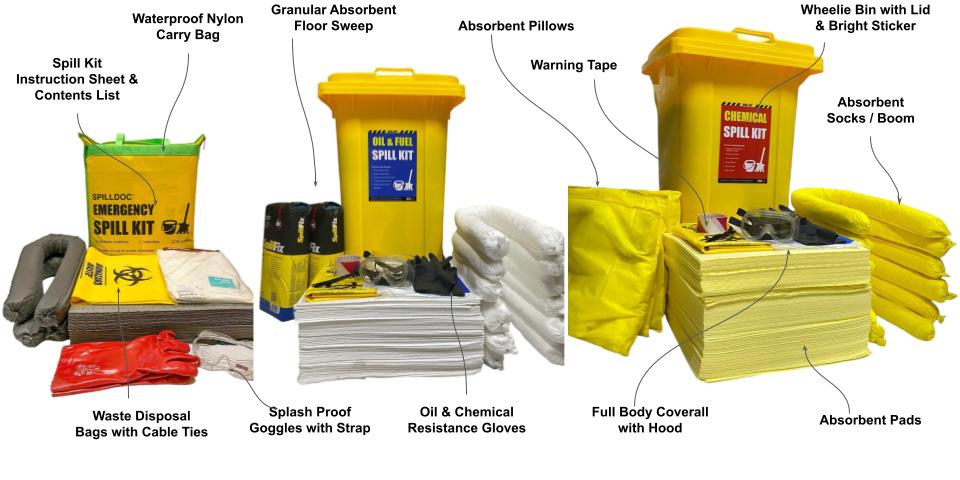
Spill kit contents vary by type and size, but common items include:
- absorbent pads/mats
- absorbent socks/booms (containment)
- absorbent pillows or floor sweep/granules
- PPE (gloves, goggles, and sometimes additional protective items)
- waste/disposal bags and ties
- instructions/signage
- container or carry system (bag, bin, trolley/wheelie bin, depending on size)
Supplier explainers list these as common components, while CCOHS also highlights items like labels, isolation tape, neutralizing materials (where required), and communication devices depending on the hazard and procedure.
How to Choose Between Different Types of Spill Kits in Kenya
Here’s a practical way to choose the right kit(s) for your site.
1) List the liquids on your site
Start with what you store, transfer, or use: oils, fuels, coolants, chemicals, cleaning liquids, lab fluids, etc. Several supplier guides recommend starting with a liquid list/inventory before selecting spill kits.
2) Check the SDS for chemicals
For chemical-risk areas, check the SDS before buying or using a kit. OSHA’s SDS guidance and supplier advice both support this because spill response and containment recommendations are tied to the specific substance.
3) Estimate the largest likely spill
Your spill kit capacity should match the largest credible spill in that area—not just a small leak. Storemasta emphasizes spill-risk assessment and sizing to the largest potential spill.
4) Consider location and spill spread risk
If the spill can move toward drains, sewers, or water, your containment approach matters more. CCOHS and EPA both emphasize preventing entry into drains/sewers and considering drainage pathways/runoff in planning.
5) Plan for multiple kit types where needed
Many workplaces need more than one type of spill kit across different zones (for example: oil/fuel kits in vehicle bays, chemical kits in stores/labs, universal kits in general maintenance areas). Supplier guidance explicitly recommends multi-kit setups where hazards differ by location. (Super Spill & Safety Solutions)
Spill Kit Sizes and Placement: Where and How Many You Need
Spill kits come in different capacities. Storemasta notes ready-made spill kits can range from small 25L kits up to 240L options, and capacity should be based on risk assessment and the largest spill your team may need to contain. (blog.storemasta.com.au)
Storemasta also advises placing kits in clearly visible, easy-to-reach locations and mentions manufacturer guidance, such as keeping kits within practical reach of likely spill points (including multi-kit placement in some workplaces).
CCOHS similarly recommends keeping spill response kits in a clearly marked location near where chemicals are used and ensuring workers know where the kits are and how to use them safely. (CCOHS)
For Kenya sites, that usually means placing kits near:
- chemical stores
- fueling points
- machine/maintenance areas
- loading/unloading bays
- generator rooms
- transfer/decanting stations
Training, Inspection, and Restocking
Buying the right spill kit is only part of the job. You also need a response process.
Practical guidance across safety sources recommends:
- training workers on spill hazards and correct response,
- keeping kits well-stocked and accessible,
- inspecting and restocking after use,
- and making sure responders understand the kit’s limits.
CCOHS also emphasizes responder safety first and advises that untrained workers should not attempt cleanup beyond their capabilities.
You can strengthen your setup by combining spill kits with Safety Signs and Signages, Chemical Resistant Gloves for Spill Handling, and Safety Goggles and Eye Protection.
Common Buying Mistakes to Avoid
- Buying one kit and assuming it covers all liquids
- Using a universal kit for hazardous chemicals without SDS review
- Choosing a kit that is too small for the biggest likely spill
- Keeping kits far from spill-prone areas
- Skipping training and drills
- Not restocking after use
- Ignoring PPE compatibility for chemical spills
These mistakes are repeatedly addressed in supplier and safety guidance because they directly affect response speed and cleanup safety. (blog.storemasta.com.au)
FAQs: Different Types of Spill Kits
1) What are the main different types of spill kits?
The most common categories are universal/general purpose, oil & fuel (hydrocarbon), and chemical/HAZCHEM spill kits. Some suppliers also list marine spill kits separately.
2) Can I use a universal spill kit for every spill?
No. Universal kits are useful for many routine spills, but hazardous chemicals may require a chemical/HAZCHEM spill kit and SDS-based compatibility checks.
3) Why are oil spill kits different?
Oil/fuel kits use oil-only absorbents that are often hydrophobic, meaning they repel water while absorbing hydrocarbons. (Super Spill & Safety Solutions)
4) How do I choose spill kit size?
Choose size based on the largest likely spill in that area and your spill risk assessment, not only on small routine leaks.
5) Where should spill kits be placed?
Place them near likely spill points, in clearly marked and easy-to-access locations, and make sure staff know where they are.
6) What should be in a spill kit?
Typically, absorbents, containment socks/booms, PPE, disposal bags, and instructions; chemical-focused kits may also require neutralizing materials and extra controls depending on the hazard.
Conclusion: Build a Spill-Ready Workplace
Understanding the different types of spill kits helps you buy the right kit, place it correctly, and respond faster when an incident happens.
For most workplaces in Kenya, the best approach is simple:
- Identify your liquid risks,
- Choose the correct spill kit type(s),
- size them for real spill scenarios,
- place them where spills are likely,
- and train your team.
To build a complete spill-response setup, start with Shop Spill Kits and Spill Response Supplies, then add Chemical Resistant Gloves for Spill Handling, Safety Goggles and Eye Protection, and Safety Signs and Signages. Also, explore Browse PPE & Safety Equipment in Kenya for a wider site-safety setup.


Product Gallery
Featured Products
-
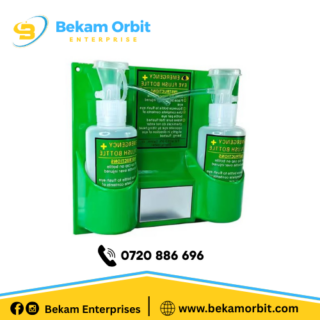 wall-mounted with 1000 ml bottles emergency eye wash station
KShs9,000.00
wall-mounted with 1000 ml bottles emergency eye wash station
KShs9,000.00
-
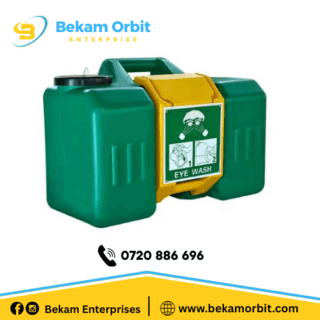 9-Gallon Gravity-Flow Portable Eye Wash Station
KShs17,000.00
9-Gallon Gravity-Flow Portable Eye Wash Station
KShs17,000.00
-
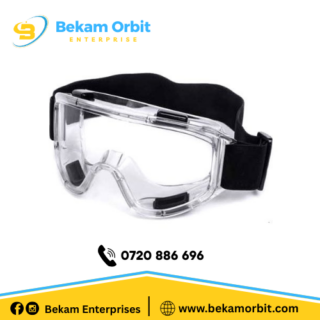 Lab Safety Goggles
KShs400.00
Lab Safety Goggles
KShs400.00
-
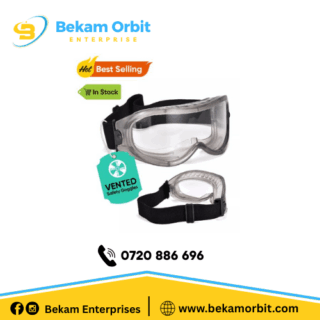 Over Glasses Safety Goggles
KShs700.00
Over Glasses Safety Goggles
KShs700.00
-
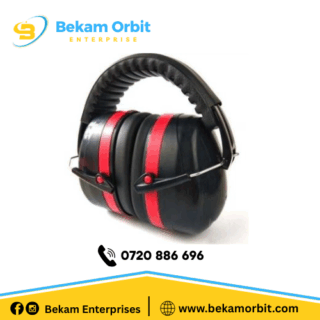 Safety Noise Cancelling Earmuffs
KShs1,300.00
Safety Noise Cancelling Earmuffs
KShs1,300.00
-
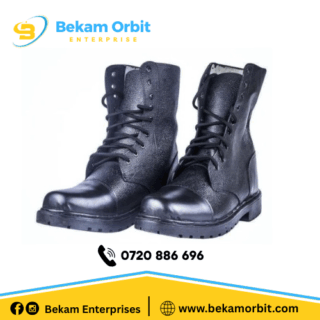 Askari Security Boots
KShs1,800.00
Askari Security Boots
KShs1,800.00
-
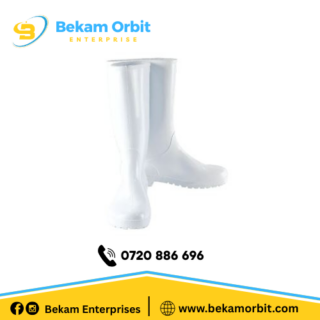 White light duty gumboots
KShs800.00
White light duty gumboots
KShs800.00
-
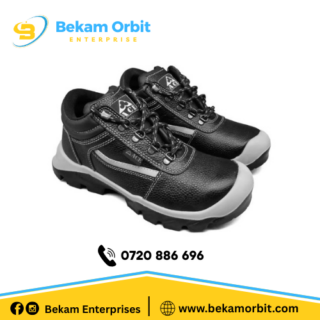 Ace Duma Safety Shoes
KShs3,100.00
Ace Duma Safety Shoes
KShs3,100.00














Leave a Reply