Eyewash Stations in Kenya: Types, Key Features, Placement Rules & Best Picks for Eyewash Stations in Kenya
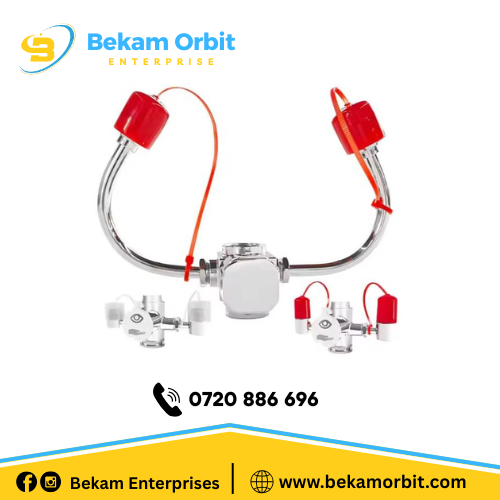
Chemical splashes, cement dust, battery acid, fuel, degreasers, and fine particles can damage eyes in seconds. That’s why every lab, workshop, construction site, plant room, and production line handling irritants should have a proper eye wash station in Kenya — not just a bottle in a first-aid box.
Ensuring access to eyewash stations in Kenya is crucial for workplace safety.
This guide explains:
- The main eyewash station types
- The key features that matter for safety and audits
- Practical placement and maintenance checks
- Top picks you can install in Kenyan workplaces
(Adapted from TRADESAFE and expanded using OSHA + ANSI/ISEA guidance.) (TRADESAFE)
If you want to browse ready options first:
Why eyewash stations are mandatory in high-risk areas
If your workplace contains injurious corrosive materials, you must provide quick-drenching/flushing facilities within the work area for immediate emergency use. That requirement is clearly stated by OSHA (and it’s widely used as a benchmark for “what good looks like” globally). (OSHA)
Even where local policies vary, the safety logic is universal: immediate flushing reduces injury severity and improves outcomes.
Eyewash station types for Kenyan workplaces
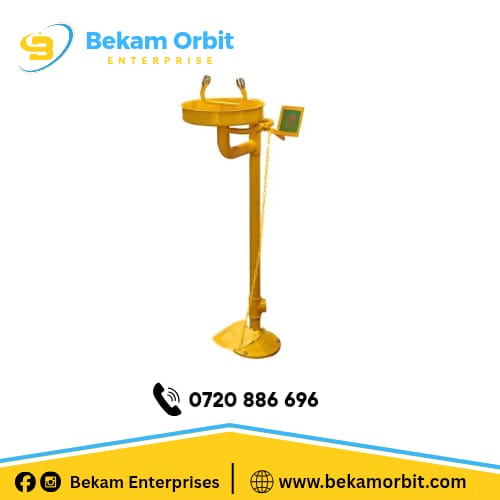
1) Plumbed eyewash stations (permanent)
These are connected to a potable water supply. They’re best for:
- labs and clinics
- factories and plants
- workshops with fixed workstations
Best when you have stable plumbing and want an “always-ready” solution.
- Sink Faucet Eyewash Station (ideal for labs/clinics/workshops with sinks)
2) Self-contained / gravity-fed portable eyewash stations

These are tanks (commonly 9–16 gallons) that provide a 15-minute flush without plumbing — ideal for:
- construction sites
- remote yards and farms
- temporary work areas
- mobile maintenance teams
✅ Top Bekam picks:
3) Eye/face wash stations (wider coverage)
These flush eyes + face — better when there’s risk of splash across the face (e.g., acids/caustics, solvents, strong cleaners).
Many combination units (shower + eyewash) also include an eye/face wash component.
4) Combination units (safety shower + eyewash)
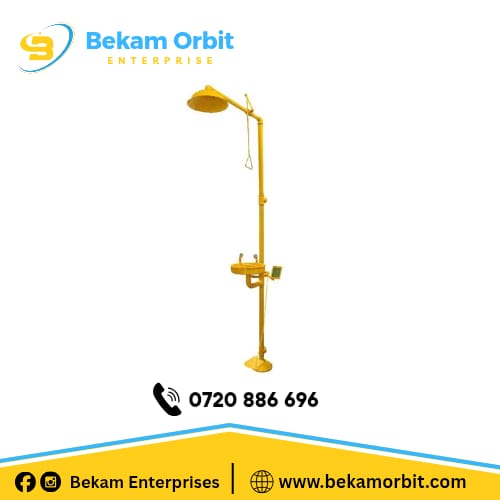
These are for higher-risk zones where exposure may affect both eyes and body, such as:
- chemical handling
- mixing rooms
- dosing stations
- battery charging areas
- bulk cleaning chemical stores
✅ Best internal links for industrial/chemical environments:
- Emergency Shower and Eyewash Station Kenya
- Yellow Coated 304 SS Foot Pedal Safety Shower Eyewash Station
- 304 Stainless Steel Eyewash & Emergency Shower Station (Foot Pedal)
5) Eyewash bottles & wall-mounted eyewash kits (first response)
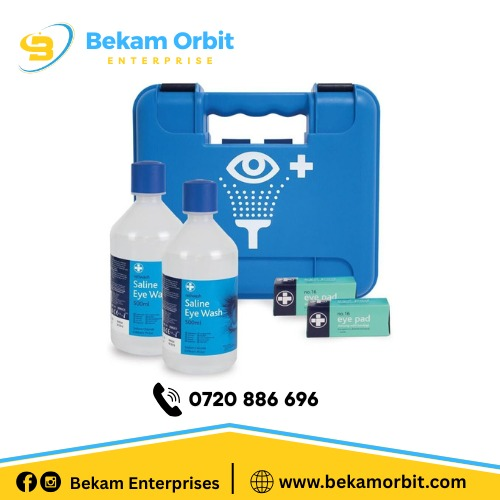
Bottles and compact kits are useful for:
- quick flushing for dust/debris
- mobile teams
- “first response” while moving the injured person to the main station
✅ Bekam top picks:
- Saline Eyewash Bottles
- Reliance Medical 500ml Eyewash Bottle
- Reliwash Deluxe Eyewash Station (Wall Kit)
- Reliance Medical EW-955 Eyewash Station (Double 500ml)
- Reliwash EW-904 Double Eyewash Station
The key features that matter for safety and compliance
Most safety programs benchmark to ANSI/ISEA Z358.1 guidance (because it provides clear minimums for performance, location, training, and maintenance). (The ANSI Blog)
Here’s what matters most:
1) 15-minute continuous flushing capability
Minimum continuous flushing duration is typically 15 minutes for eyewash/eye-face wash/shower emergency mitigation.
2) Correct flow rate (don’t guess — this is audit-critical)
Common ANSI/ISEA Z358.1 benchmarks:
- Eyewash: at least 0.4 GPM (1.5 L/min) for 15 minutes
- Eye/face wash: at least 3.0 GPM (11.4 L/min) for 15 minutes
- Safety shower: at least 20 GPM (~76 L/min) for 15 minutes
3) Tepid water (comfort = compliance)
“Tepid” flushing fluid is typically 16–38°C (60–100°F). Water that’s too cold discourages full flushing; water that’s too hot can increase the risk of injury.
4) Fast activation + hands-free flow
A good unit should:
- activate in 1 second or less
- stay open hands-free once activated (so the user can hold eyelids open / stabilize themselves)
5) Location and accessibility
Place eyewash/shower equipment:
- within 10 seconds / ~55 feet of the hazard
- on the same level
- with an unobstructed path
- with clear signage and good lighting
6) Weekly activation + annual inspection
Plumbed units are commonly activated weekly (to verify flow and clear stagnant water), and stations are inspected annually for compliance.
Top picks for eyewash stations in Kenya (by workplace type)
A) Construction sites, workshops without plumbing, mobile teams
Best pick: portable gravity-fed station
Why: simple installation, reliable 15-minute flushing capability, ideal for changing work areas.
B) Labs, clinics, schools, and workshops with sinks
Best pick: faucet-mounted eyewash adapter
Why: quick to install, compact, cost-effective for facilities that already have sinks.
C) Chemical stores, dosing areas, battery rooms, manufacturing plants
Best pick: combination safety shower + eyewash station
- Emergency Shower and Eyewash Station Kenya
- Yellow Coated 304 SS Foot Pedal Safety Shower Eyewash Station
- Also browse: Safety Showers in Kenya
Why: protects against eye + body exposure, aligns with common safety shower/eyewash performance expectations.
D) Offices, kitchens, low-chemical environments, first-response points
Best pick: wall-mounted eyewash kit + saline bottles
Why: fast access for dust/debris and minor splashes; perfect as a supplementary first-response solution.
Don’t forget: eyewash stations work best with eye PPE
Eyewash stations reduce harm after exposure — but prevention is cheaper than treatment. For complete protection, link and recommend:
Simple inspection checklist (site supervisor friendly)
Use this weekly/monthly checklist to stay audit-ready (especially for plumbed units):
- Unit is visible, signed, and well-lit
- Access path is clear (no pallets/stock blocking)
- Activation works immediately and stays open hands-free
- Water is tepid where possible (not extremely hot/cold)
- Nozzles are clean and capped (dust covers work)
- Flow is strong and consistent (weekly activation for plumbed units)
- Annual inspection logged/documented
FAQs: Eyewash stations in Kenya
How far should an eyewash station be from the hazard?
A common benchmark is within 10 seconds (~55 feet) on the same level and unobstructed.
How long should an eyewash station run?
Typically, ANSI/ISEA guidance recommends 15 minutes of continuous flushing capability.
What water temperature is recommended?
“Tepid” water is commonly defined as 16–38°C (60–100°F).
Shop eyewash stations in Kenya
Start here:
Top product picks:


Product Gallery
Featured Products
-
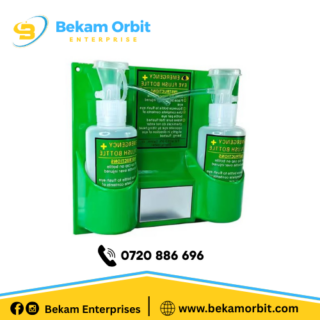 wall-mounted with 1000 ml bottles emergency eye wash station
KShs9,000.00
wall-mounted with 1000 ml bottles emergency eye wash station
KShs9,000.00
-
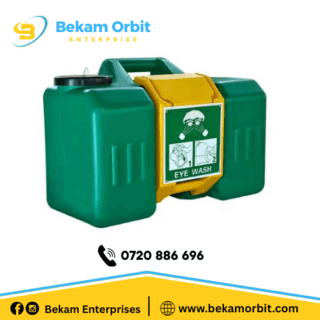 9-Gallon Gravity-Flow Portable Eye Wash Station
KShs17,000.00
9-Gallon Gravity-Flow Portable Eye Wash Station
KShs17,000.00
-
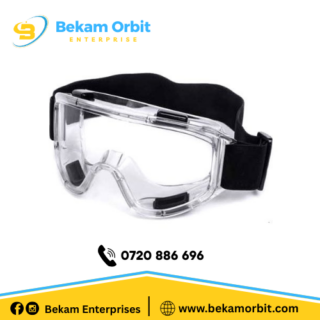 Lab Safety Goggles
KShs400.00
Lab Safety Goggles
KShs400.00
-
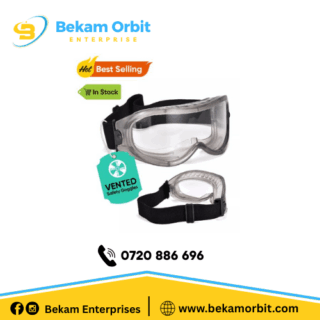 Over Glasses Safety Goggles
KShs700.00
Over Glasses Safety Goggles
KShs700.00
-
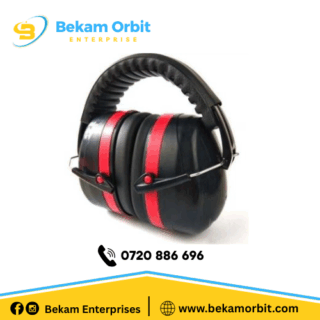 Safety Noise Cancelling Earmuffs
KShs1,300.00
Safety Noise Cancelling Earmuffs
KShs1,300.00
-
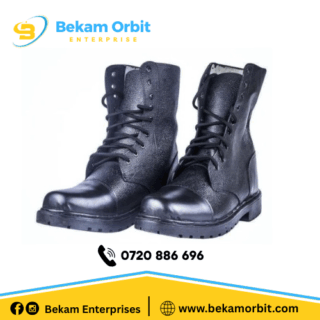 Askari Security Boots
KShs1,800.00
Askari Security Boots
KShs1,800.00
-
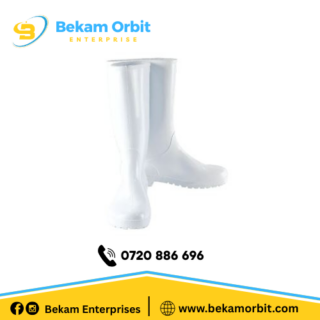 White light duty gumboots
KShs800.00
White light duty gumboots
KShs800.00
-
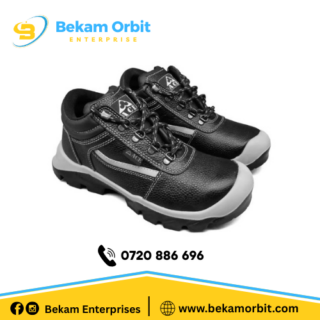 Ace Duma Safety Shoes
KShs3,100.00
Ace Duma Safety Shoes
KShs3,100.00