Fire Extinguisher Recharge Cost in Kenya: A Practical Guide for Nairobi Businesses
Running a shop, office, factory, or hospitality space in Kenya requires maintaining strict fire safety basics, including regular inspections, servicing, and timely refills. One question we hear a lot is: What is the fire extinguisher recharge cost in Kenya, and when should I budget for it? Below is a clear, locally-relevant guide with real-world considerations for Nairobi and major towns.
What “Recharge” Actually Means (and Why It Matters)
Recharging is the process of emptying, checking, and refilling a portable extinguisher with the correct agent, then re-pressurising and verifying performance. Even if your unit hasn’t been used, issues like pressure loss, damaged seals, or expired media can render it unreliable. For compliance and insurance purposes, recharging is part of routine maintenance alongside annual inspection, 6-year maintenance (for many dry chemical models), and hydrostatic testing at the prescribed intervals.
Bottom line: a correctly recharged extinguisher is more than “topped up”—it’s inspected, restored, and certified to perform.
Average Fire Extinguisher Recharge Cost in Kenya
For standard portable units, the fire extinguisher recharge cost in Kenya typically ranges from KSh 3,000 – 7,500 per unit for standard sizes (e.g., 2kg CO₂, 4kg/6kg ABC dry powder, 9L water/foam). Specialized agents or large capacities may cost more. Final pricing depends on:
-
Type & agent: ABC dry powder is often the most economical; CO₂, foam, wet chemical (Class K), and clean agents cost more due to gases/chemistry and handling.
-
Capacity: Bigger cylinders require more agent and higher pressure volumes.
-
Condition: Worn hoses, damaged valves, faulty gauges, missing pins, or corroded bodies add repair/parts costs.
-
Required tests: If your unit is due for hydrostatic testing, factor in test fees (and downtime or swaps/loaners).
Tip: Ask for an itemised quote that shows labour, agent, spares, testing, and certification to avoid surprises.
How Often Should You Recharge?
-
Immediately after use (even for a short discharge).
-
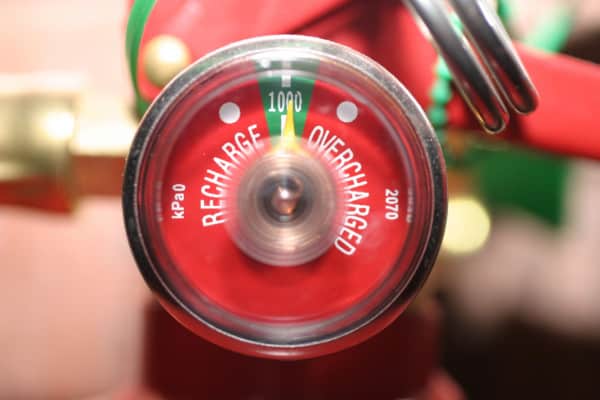
When the gauge is out of the green, shows low pressure, or tamper seals are broken.
-
On schedule per manufacturer/NFPA guidance and local code requirements (e.g., 6-year maintenance and 12-year hydrostatic test for many dry chemical types; some models require 5-year hydro tests).
If you’re unsure, book a professional inspection—it’s often the quickest way to determine whether a simple recharge, repairs, or replacement is safest and most economical.
Cost Drivers You Should Know
1) Extinguisher Type (Agent)
-
ABC Dry Powder: Most common in offices/retail/warehouses; generally the lowest fire extinguisher recharge cost in Kenya.
-
CO₂ (2kg/5kg): Requires high-pressure gas handling; costs are moderate to high.
-
Foam/Water: Typically moderate; check that the agent matches the fire risks on site.
-
Wet Chemical (Class K): Commercial kitchens require this; the recharging process is more expensive due to the specialised agent and processes involved.
-
Clean Agents (e.g., Halotron): Premium pricing but preferred where residue-free suppression is critical (server rooms, labs).
2) Size/Capacity
From 2kg up to 9kg/12kg and trolley units—more agents = more cost. If your risk assessment allows, mixing sizes can balance coverage with budget.
3) Repairs, Spares & Compliance Items
New hoses, O-rings, valves, pins, tamper seals, inspection tags, or wall brackets add line-item costs—but they’re essential for compliance and safety.
4) Service Logistics
On-site servicing vs. pick-up & drop-off, speed requirements, and access constraints (e.g., high-rise sites, night shifts) can affect quotes.
“Recharge vs Replace” — Which Makes Sense Financially?
Sometimes a unit is so old/battered that replacement is cheaper and safer than recharging and repairing. Consider replacement if:
-
The body shows deep corrosion/dents or fails hydrostatic testing.
-
The model is obsolete, or spares aren’t readily available.
-
The recharge plus parts exceed the price of a compliant new unit.
A good provider will tell you when a new, KEBS-compliant extinguisher is the more intelligent choice.
What to Expect During a Professional Recharge (Step-by-Step)
-
Visual inspection & verification of model, capacity, and service history
-
Safe depressurisation and agent removal
-
Internal cleaning and component check (valve/neck ring/hose/trigger)
-
Replacement of worn parts (seals, O-rings, pins)
-
Refill with the correct agent for the model and risk class
-
Re-pressurisation to the specified level
-
Leak check & functional tests
-
Tagging/labeling with service date, technician ID, and next due date
-
Certificate/report for your records, audits, and insurers
This process is why DIY is a no-go: pressurised cylinders, gas handling, and compliance testing require trained technicians and calibrated equipment.
Nairobi Pricing Reality Check (and How to Budget)
In Nairobi’s commercial districts—CBD, Westlands, Industrial Area, Upper Hill, Karen—labour and logistics can vary slightly, but the main driver is agent + capacity. For a quick mental budget, plan:
-
KSh 3,000 – 4,500 for common 2kg CO₂ or 4kg ABC
-
KSh 4,500 – 6,500 for 5kg CO₂ or 6kg ABC
-
KSh 5,500 – 7,500+ for 9L foam/water and specialised agents (wet chemical/clean agent)
(Your final invoice depends on condition, spares, and any required hydro tests.)
Kenyan Compliance Notes You Shouldn’t Ignore
-
Keep annual inspections up to date and display tags where extinguishers are mounted.
-
Ensure selection and placement match your fire risk assessment (kitchen Class K, electrical/IT areas CO₂ or clean agent, general areas ABC).
-
Confirm your provider’s certification, calibrated gauges, and traceable agent supplies.
-
Maintain a simple register with serial numbers, locations, service dates, and follow-up actions, which auditors and insurers appreciate.
Why Choose Bekam Orbit for Recharging & Testing
-
Transparent, itemised quotes—you’ll see labour, agent, parts, and (if applicable) test fees.
-
Full service: inspection, recharging, hydrostatic testing, on-site installation, signage, and staff training.
-
Coverage across Nairobi and major towns (Mombasa, Kisumu, Eldoret, Nakuru, Thika).
-
Fast turnaround with pickup/return options to minimise downtime.
Need a same-day assessment? Contact Bekam Orbit, and we’ll schedule your site quickly.
FAQs: Fire Extinguisher Recharge Cost in Kenya
1) Can I recharge at any garage or gas shop?
No. Portable extinguishers are pressure vessels. Trained technicians must do recharging with the correct agent, pressure specs, and testing equipment.
2) How long does a recharge take?
It often takes under an hour per unit once it’s on the bench. Add time for pick-up/delivery, site access, or if repairs/hydro tests are due.
3) Do you provide loaners while mine are away?
Yes—on request. It keeps you compliant while servicing is underway (especially during hydro testing).
4) When is replacement better than recharging?
If the cylinder is compromised, fails a pressure test, or spares are scarce, and the fire extinguisher recharge cost in Kenya would exceed the price of a new, compliant unit.
5) Can you audit my entire site?
Absolutely. We map asset locations, sizes, types, expiry/test due dates, and produce a remedial action plan you can share with management or insurers.
Final Takeaway
Budgeting for fire extinguisher recharge cost in Kenya isn’t just a line item—it’s a risk-reduction investment. The cheapest option isn’t always the safest; the right agent, proper testing, and certified technicians keep your people, property, and insurance position protected.
Ready for a quote or site check? Talk to Bekam Orbit’s Fire Team and get an itemised, no-surprises proposal today. Check our range of fire fighting equipments <<here>>.



Product Gallery


Featured Products
-
 wall-mounted with 1000 ml bottles emergency eye wash station
KShs9,000.00
wall-mounted with 1000 ml bottles emergency eye wash station
KShs9,000.00
-
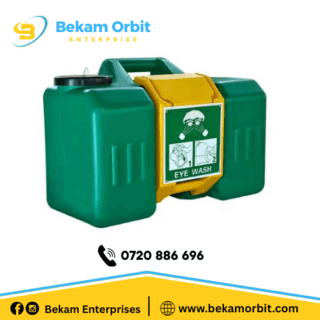 9-Gallon Gravity-Flow Portable Eye Wash Station
KShs17,000.00
9-Gallon Gravity-Flow Portable Eye Wash Station
KShs17,000.00
-
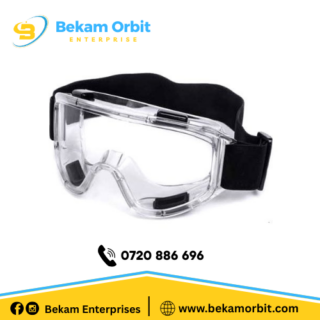 Lab Safety Goggles
KShs400.00
Lab Safety Goggles
KShs400.00
-
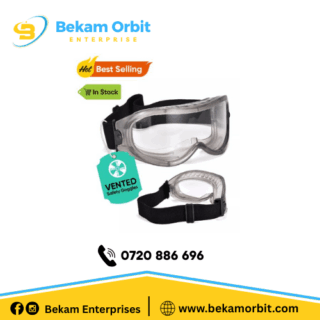 Over Glasses Safety Goggles
KShs700.00
Over Glasses Safety Goggles
KShs700.00
-
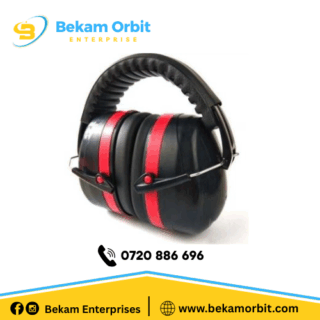 Safety Noise Cancelling Earmuffs
KShs1,300.00
Safety Noise Cancelling Earmuffs
KShs1,300.00
-
 Askari Security Boots
KShs1,800.00
Askari Security Boots
KShs1,800.00
-
 White light duty gumboots
KShs800.00
White light duty gumboots
KShs800.00
-
 Ace Duma Safety Shoes
KShs3,100.00
Ace Duma Safety Shoes
KShs3,100.00