Helmet Suspension Systems in Kenya: Why the “Inner Harness” Matters for Comfort & Protection
If you’re buying safety helmets, you’ll see a lot of focus on the shell (ABS vs HDPE, vented vs non-vented, brim style, color). But the helmet suspension system in Kenya is the part that determines whether a helmet is actually wearable for 8–12 hours and whether it performs properly during impact.
On construction sites, warehouses, factories, road works, utilities, and maintenance environments, many “helmet failures” are not because the shell is weak—but because the suspension is worn out, poorly adjusted, or mismatched. This guide breaks down what a suspension system is, how it works, the common types (4-point, 6-point, 8-point; ratchet vs. pinlock), how to fit it correctly, and when to replace it—localized for Kenyan jobsite conditions.
What is a helmet suspension system?
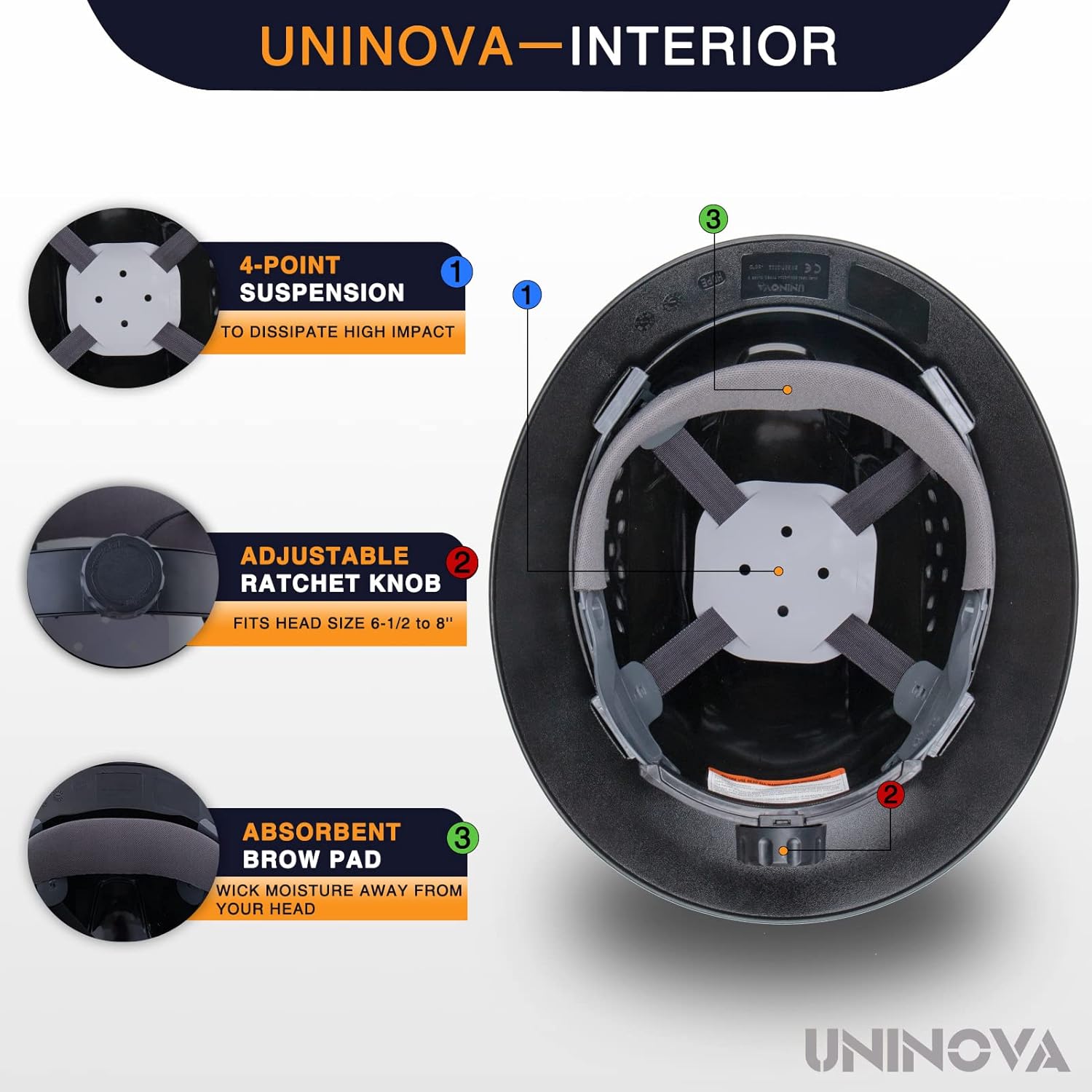
A helmet suspension system (also called the inner harness, headband, or cradle) is the internal framework that sits between your head and the helmet shell. It’s designed to:
- Create a protective gap between your head and the shell
- Absorb and spread impact energy
- Stabilize the helmet so it doesn’t shift, fall off, or tilt during movement
- Reduce pressure points on the forehead and crown for long-hour comfort
- Improve compliance: when the helmet feels right, people actually keep it on
In short: the shell deflects, but the suspension helps manage energy transfer and fit—so both parts must work together.
Comfort vs protection: why you shouldn’t choose one over the other
Some buyers think comfort features are “luxury.” In real life, comfort directly affects protection because an uncomfortable helmet is worn:
- too loose
- too far back
- with the harness barely tightened
- or removed “just for a while.”
In Kenya’s hot conditions (especially on outdoor sites), comfort matters even more. Sweatbands, breathable webbing, and good weight distribution are not only “nice”—they can be the difference between consistent PPE compliance and non-compliance.
The goal is comfort that preserves the protective gap and stable fit, not comfort that compromises safety.
The protective gap: the most overlooked reason suspensions exist
A properly adjusted suspension maintains a space between the shell and your head. That space helps reduce the force that reaches your skull and also improves ventilation.
This is why putting items between your head and the suspension (or between the suspension and shell) is a bad idea. Common examples on Kenyan sites include:
- caps and beanies under the helmet
- Extra foam padding added by workers
- folded cloth on the forehead
- Random “liners” not made for that helmet
These additions can reduce the protective clearance and may interfere with fit and stability. If you need heat/sweat control, use manufacturer-compatible sweatbands/liners instead of improvised padding.
4-point vs 6-point vs 8-point suspension (what changes?)
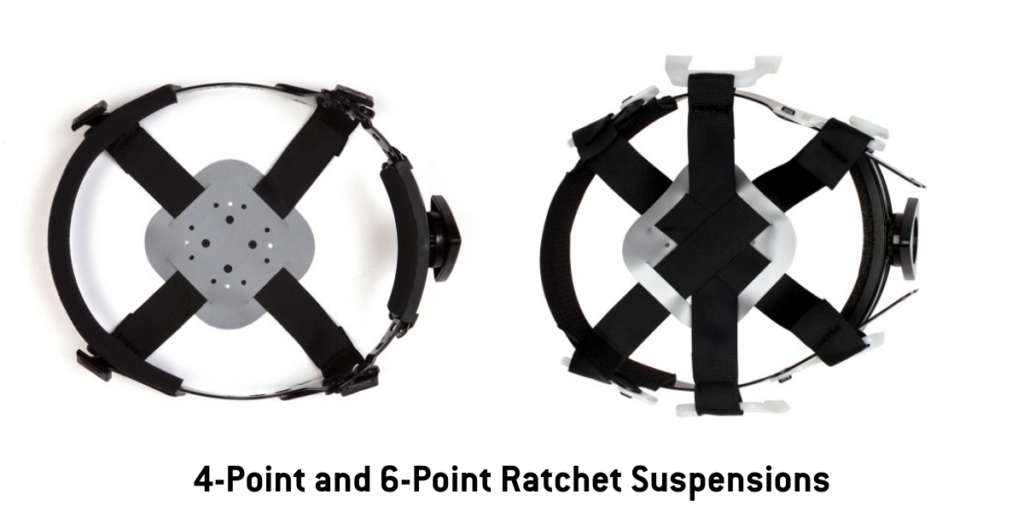
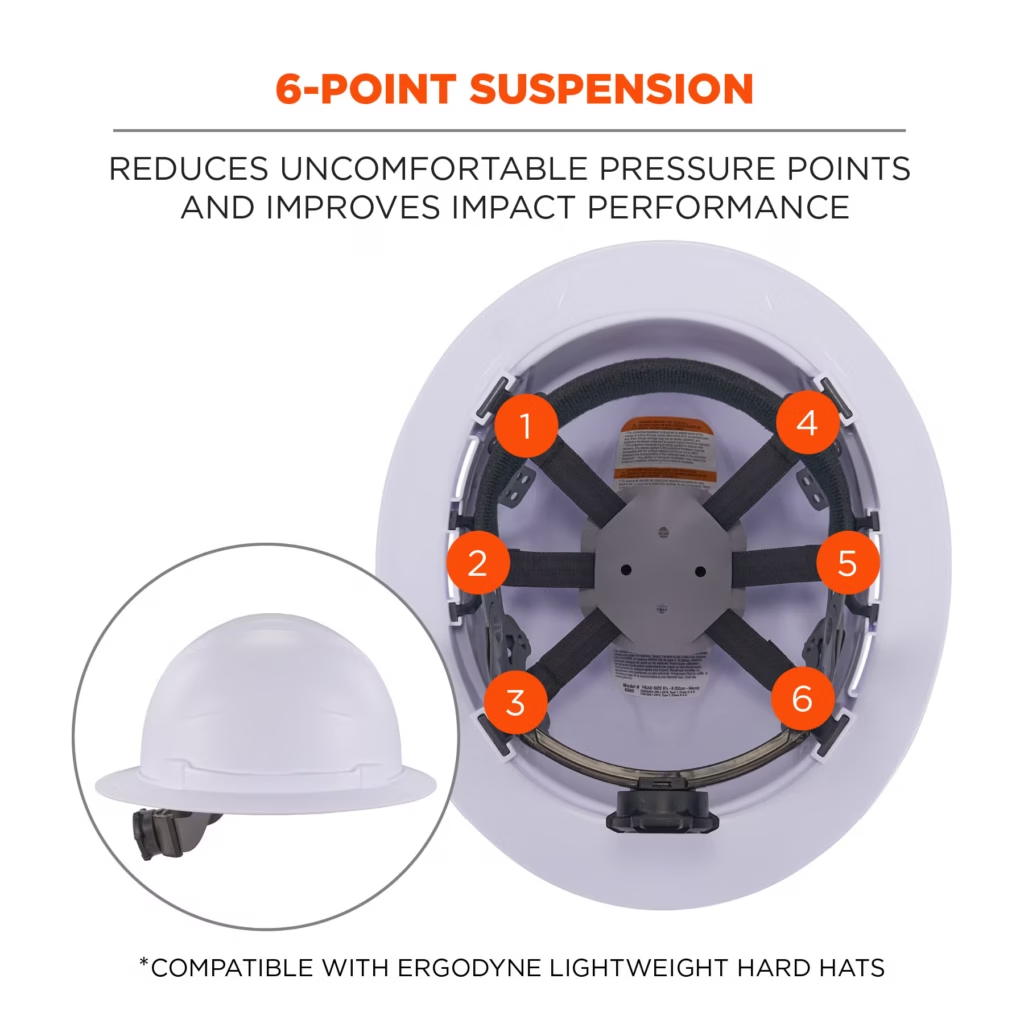
The “points” refer to the number of attachment points connecting the suspension to the shell. More points generally improve weight distribution and stability, but the real-world difference depends on shell design, suspension design, and how well it’s fitted.
Quick comparison table
| Suspension type | Best for | Feel on the head | Typical buyer preference |
|---|---|---|---|
| 4-point suspension | General use, lighter helmets, budget installs | Simple, decent stability | Most popular for basic PPE |
| 6-point suspension | Long shifts, frequent movement, better balance | Better weight distribution | Great balance of comfort + stability |
| 8-point suspension | Heavy-duty wear, demanding sites, long shifts | Very stable, more “cradled” feel | Chosen for comfort-focused teams |
Practical Kenyan tip: If your team complains about headaches, pressure points, or “helmet keeps slipping,” moving from 4-point to 6-point or 8-point often helps—assuming sizing and adjustment are correct.
Ratchet vs. Pinlock (snap-lock): Which is better?
This is about how the headband tightens.
1) Ratchet suspension (dial/knob)
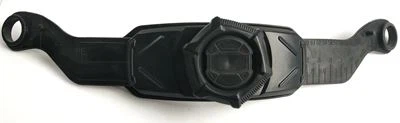
- Tighten/loosen using a knob
- Easier to get a precise fit
- Fast adjustment even with gloves
- Very useful when multiple workers share helmets (not recommended, but common)
2) Pinlock / snap-lock / squeeze-lock
- Works like a cap adjustment (step settings)
- Slightly slower to fine-tune
- Often cheaper and more durable
- Fine for steady use when one person keeps the same setting
Rule of thumb: For long shifts and frequent on/off adjustments, ratchet usually wins. For cost-sensitive sites that keep one user per helmet, Pinlock can still work very well.
How to fit a helmet suspension properly (step-by-step)
A certified helmet can still perform poorly if it’s not fitted correctly. Use this quick method:
- Inspect first (30 seconds)
- Check straps/webbing for fraying
- Check plastic clips for cracks
- Ensure the suspension is correctly clipped into the shell (all points)
- Set crown height
- Most suspensions allow different crown strap positions
- Set it so the helmet sits level and maintains clearance
- Position the headband
- The headband should sit comfortably around the head—not perched too high
- The brow pad/sweatband should rest evenly on the forehead
- Tighten the nape/headband
- Tighten until snug (no wobble), but not headache-tight
- Shake your head gently: the helmet should not shift dramatically
- Check the level and the field of view
- The helmet should sit level (not leaning back)
- Brim should not block upward visibility (important for rigging and overhead work)
- Use chin straps when your risk assessment needs retention
- Working at height, climbing, rescue, windy conditions, or frequent bending can require a helmet that stays on
- Use only compatible chin straps designed for that model/standard
When should you replace the suspension system?
A worn suspension is one of the fastest ways to lose protection and comfort. Replace the suspension if you notice:
- loose fit even when fully tightened
- stretched or frayed webbing
- cracked clips, broken slots, or damaged adjustment parts
- sweatband is degraded and no longer cushions
- helmet shifts easily or sits unevenly
Also replace after:
- a significant impact event
- chemical exposure that degrades plastics
- long UV exposure (common with storage in sunlight or hot vehicles)
Best practice: Follow manufacturer guidance. Many manufacturers recommend replacing suspension components more frequently than the shell, especially in tough environments (heat, UV, sweat, dust, chemicals).
Kenya compliance: why proper head PPE matters during audits
In Kenya, workplaces are expected to provide and enforce appropriate PPE based on risk. During inspections and safety audits, a helmet that’s “present” but poorly worn, damaged, or missing functional suspension is still a safety gap.
For contractors and employers, it’s smart to standardize:
- helmet type/standard for the task
- replacement schedule for suspensions and shells
- training on fitting and inspection
- compatibility rules for accessories (visors, earmuffs, lamps)
This reduces incidents and improves compliance in a way that’s easy to document.
Standards & markings to look for (simple buyer checklist)
When selecting helmets and replacement suspensions, check:
- Standard marking inside the shell (e.g., EN or ANSI markings)
- Type and class where applicable (impact direction and electrical protection)
- Size range and manufacturing date
- Compatibility approvals for accessories (important for helmet-mounted face shields and earmuffs)
If a helmet has accessories (visor, earmuff adapters, lamps), ensure they are tested/approved as compatible with that helmet model—otherwise you risk poor fit and non-compliance.
Build a complete helmet-based protection system
If you’re improving helmet comfort and compliance, don’t stop at suspension. Combine head protection with compatible add-ons:
- Shop certified helmets: Safety helmets and headlamps
- Browse the full range: Head protection gear in Kenya
- Upgrade stability: 6-point suspension helmet
- Heavy-duty comfort: 8-point suspension helmet
- Add face protection: Helmet visor bracket
- Reduce noise exposure: Noise-canceling earmuffs in Kenya
- Learn more about helmet materials: Material types used for hard hats
FAQs (for SEO + featured snippets)
1) What is a helmet suspension system?
A helmet suspension system is the inner harness (headband + straps) that holds the shell off your head, stabilizes fit, and helps absorb/distribute impact forces.
2) Which is better: 4-point or 6-point suspension?
For many users, the 6-point feels more balanced and stable during long shifts. A 4-point can still work well for general use, especially on lighter helmets.
3) What is the difference between ratchet and pinlock suspension?
Ratchet uses a dial knob for precise tightening and quick adjustment. Pinlock/snap-lock uses step settings like a cap adjustment.
4) How tight should a safety helmet be?
Snug enough that it doesn’t wobble or slide when you move, but not so tight that it causes pressure headaches. A stable, level fit is the goal.
5) Can I wear a cap under my helmet?
Avoid it unless it’s a manufacturer-approved liner. Extra layers can reduce clearance, affect suspension performance, and interfere with electrical protection, depending on the situation.
6) How often should I replace the helmet suspension?
Replace it when it shows wear (stretched straps, cracked parts, poor fit). Many manufacturers recommend more frequent suspension replacement than shell replacement—especially in hot/UV-heavy environments.
7) Can I mix suspensions from different helmet brands?
It’s not recommended. Suspensions are designed and tested to work with specific shells. Mixing parts can reduce stability and compromise performance.
8) Why does my helmet keep falling off when I bend?
Usually, it’s a fit issue: the headband is too loose, the crown height is wrong, or the helmet size range doesn’t match the user. Ratchet suspensions often solve this faster.
9) Do I need a chin strap in Kenya construction work?
If your risk includes working at height, climbing, windy conditions, or frequent bending, a helmet with proper retention (chin strap) may be required by your site risk assessment and safety procedures.
10) Where can I buy helmets with good suspension in Nairobi?
You can browse options such as 6-point and 8-point suspension helmets under Safety helmets and headlamps, or explore the broader Head protection gear range.


Product Gallery
Featured Products
-
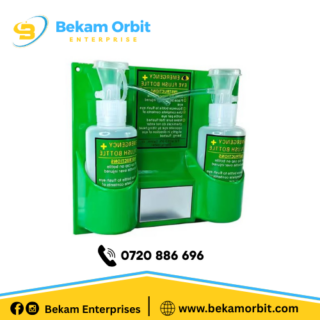 wall-mounted with 1000 ml bottles emergency eye wash station
KShs9,000.00
wall-mounted with 1000 ml bottles emergency eye wash station
KShs9,000.00
-
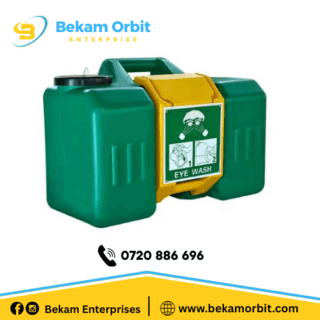 9-Gallon Gravity-Flow Portable Eye Wash Station
KShs17,000.00
9-Gallon Gravity-Flow Portable Eye Wash Station
KShs17,000.00
-
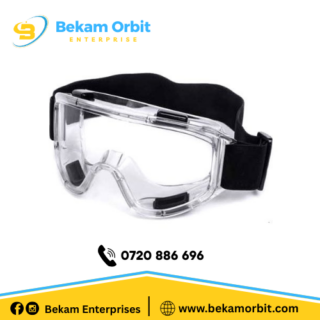 Lab Safety Goggles
KShs400.00
Lab Safety Goggles
KShs400.00
-
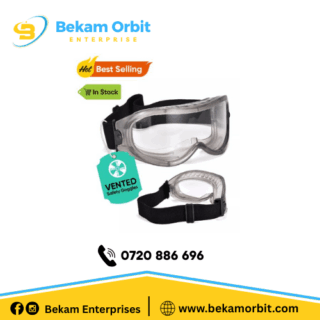 Over Glasses Safety Goggles
KShs700.00
Over Glasses Safety Goggles
KShs700.00
-
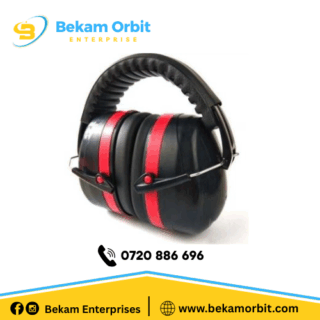 Safety Noise Cancelling Earmuffs
KShs1,300.00
Safety Noise Cancelling Earmuffs
KShs1,300.00
-
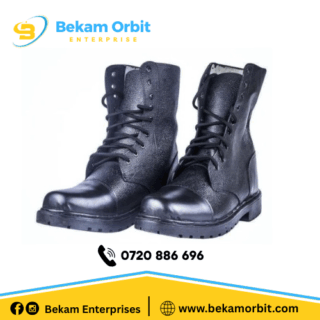 Askari Security Boots
KShs1,800.00
Askari Security Boots
KShs1,800.00
-
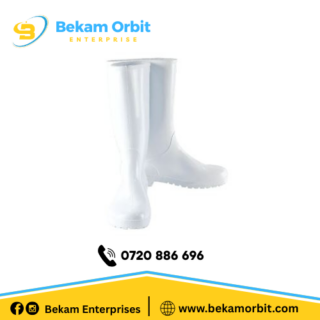 White light duty gumboots
KShs800.00
White light duty gumboots
KShs800.00
-
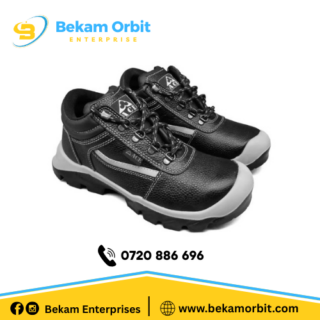 Ace Duma Safety Shoes
KShs3,100.00
Ace Duma Safety Shoes
KShs3,100.00