Recently Viewed Products

Kitenge Fabric in Kenya: What It Is, Types, How to Choose Quality & Care Tips
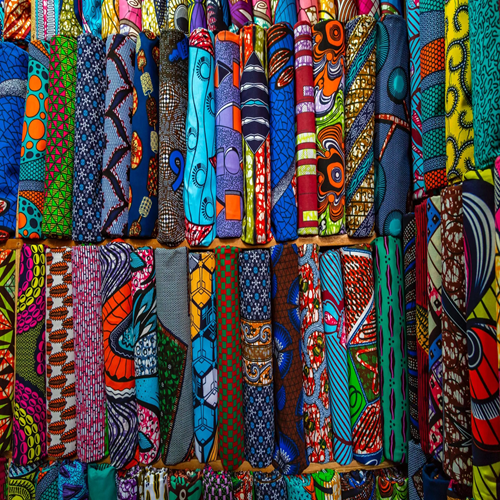
Kitenge is more than just a fabric—it’s a statement. From church groups and chamas to corporate wear, safari uniforms, and event outfits, kitenge fabric in Kenya is among the most versatile fabrics for both fashion and uniforms.
In this guide, you’ll learn what kitenge is, how to choose high-quality fabric, the most common types, what kitenge is best used for, and how to care for it so it stays bright and strong for longer.
What is kitenge fabric?
Kitenge fabric (also called chitenge in some regions) is a printed cloth known for bold patterns and vibrant colours. In Kenya, kitenge is widely used for:
-
dresses, skirts, tops, and matching sets
-
group outfits for weddings and events
-
uniforms and coordinated team wear
-
aprons and accessories (caps, headwraps, tote bags)
Because it’s widely available and highly customizable, kitenge fabric in Kenya is popular for branding identity—especially for organizations that want a consistent, recognizable look.
Kitenge vs Kanga vs Ankara: what’s the difference?
Many buyers mix these up, so here’s a simple breakdown:
Kitenge
-
Heavier feel than kanga in many cases
-
Often used for dresses, suits, and uniforms
-
More “structured” for tailoring
Kanga
-
Often lighter and traditionally comes with proverbs/phrases printed on it
-
Common for wraps, daily wear, and cultural occasions
Ankara (African wax print)
-
Often used as a broad name for bold African prints (more common in West Africa)
-
In Kenya, people may still say “Ankara” when they mean kitenge-style prints
If your customer is shopping for tailoring, uniform making, or structured outfits, kitenge fabric in Kenya is usually what they need.
Types of kitenge fabric in Kenya (what you’ll see in the market)
Not all kitenge is the same. Here are common variations:
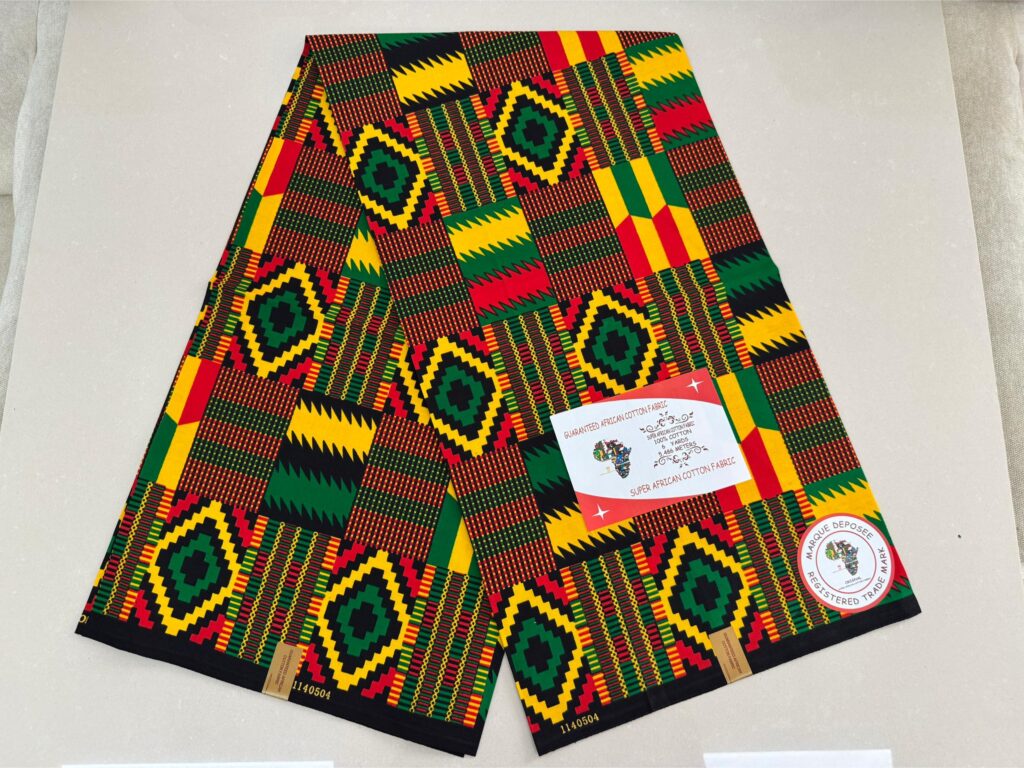
1) 100% cotton kitenge
-
More breathable and comfortable
-
Often better for long wear and hot conditions
-
Good for dresses, tops, and quality uniforms
2) Cotton-poly blends
-
Often more affordable
-
Can be easier-care and less wrinkly
-
Useful for high-volume group orders when budget matters
3) “Wax print” style
-
Bold colour depth and strong patterns
-
Often slightly heavier feel
-
Great for statement outfits and premium uniforms
4) Lightweight printed fabric sold as kitenge
-
Can feel thin and fade faster
-
Better for occasional wear than frequent washing uniforms
Tip: For uniforms or repeated use, prioritize feel + print quality + colourfastness over the lowest price.
How to choose quality kitenge fabric (buyer checklist)
If you’re buying kitenge fabric in Kenya for uniforms or serious tailoring, use this checklist:
1) Check the fabric feel
-
Good fabric should feel smooth but firm, not “papery” or overly slippery.
2) Test colour bleeding
-
Rub a small corner with a slightly damp white tissue/cloth.
-
If heavy dye transfers instantly, expect more fading/bleeding in wash.
3) Look at print sharpness
-
High-quality kitenge has clean lines and rich colour blocks.
-
Blurry patterns often mean lower print quality.
4) Hold it to light
-
If it’s too see-through, it may be thin (not always bad, but it matters for uniforms).
5) Confirm quantity and pattern repeat
-
For group outfits, matching requires the same batch/print run.
-
Large motifs require extra fabric to match across garments.
Best uses of kitenge fabric in Kenya
1) Group outfits and event wear
Kitenge is perfect for:
-
weddings, ruracio/intros, graduations
-
church choir/group outfits
-
Chama and women’s group attire
-
corporate activations and team identity wear
2) Corporate and branded uniforms
Kitenge is increasingly used for:
-
reception and customer-facing roles
-
cultural days and themed events
-
branded staff outfits (with embroidery or printed logos)
If you offer uniform solutions, this is a natural internal link:
-
Browse options under Corporate Uniforms in Nairobi
3) Safari and hospitality styling
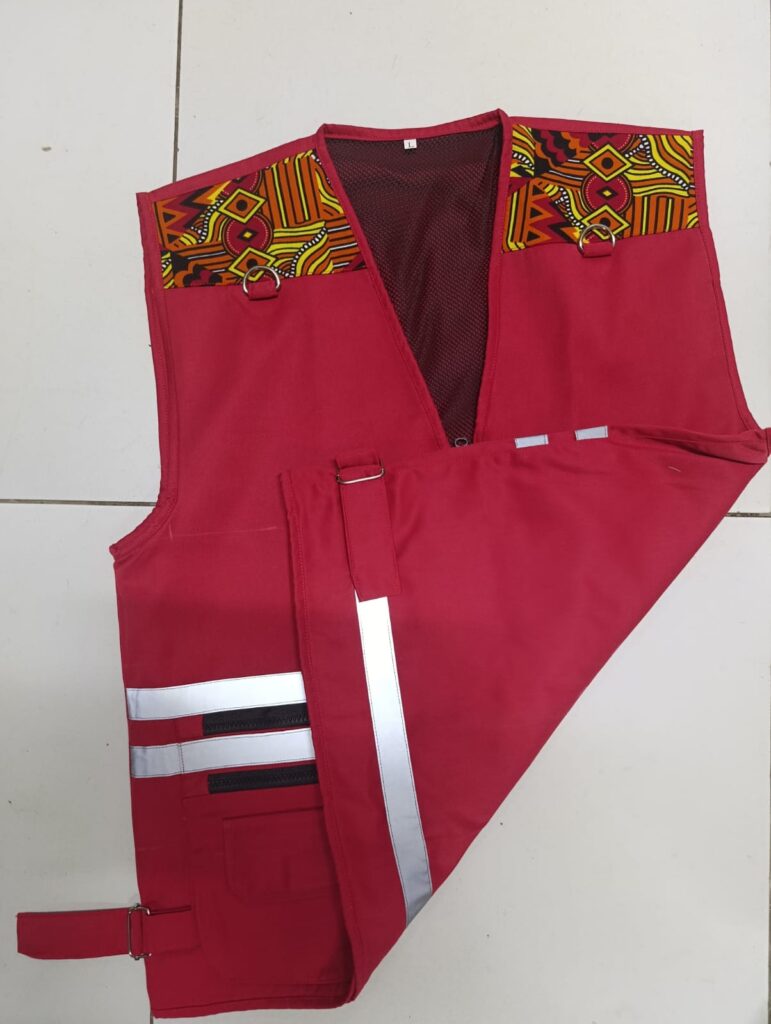
Kitenge accents pair well with safari and hospitality uniforms (scarves, trims, waistcoats, apron panels).
Check some of our products with kitenge accents:
4) School and career-day themed wear
For themed days and roleplay uniforms, kitenge can be used for cultural identity pieces and accessories:
Tailoring tips for kitenge (so the final outfit looks premium)
To get the best results from kitenge fabric in Kenya, especially for uniforms:
-
Pre-wash before tailoring to reduce shrink surprises later
-
Use lining for lighter prints if you want a structured look
-
Plan pattern placement (large motifs need careful cutting)
-
Reinforce stress points (pockets, seams, side vents) for uniforms
-
For consistent team outfits, buy fabric from the same batch
How to wash and care for kitenge fabric (avoid fading and bleeding)
Care is what separates “lasts 2 months” from “looks good for years.”
For most kitenge fabric in Kenya:
-
Wash separately for the first 1–2 washes (especially dark colours)
-
Use cold to warm water (avoid very hot water)
-
Turn inside out for printed garments
-
Avoid harsh bleach (it weakens fibres and strips colour)
-
Dry in shade when possible (direct sun can fade prints faster)
-
Iron on medium heat; avoid prolonged pressing on heavy ink areas
FAQs: Kitenge Fabric in Kenya
1) Is kitenge cotton?
Some kitenge is 100% cotton, but many are blends. Always confirm before buying if comfort and durability matter.
2) Why does some kitenge fade quickly?
Usually due to print quality and washing (hot water, harsh detergents, long sun exposure). Better-quality fabric + proper care reduces fading.
3) How many metres do I need for a dress or uniform?
It depends on style, size, sleeves, and pattern matching. For large motifs, you often need extra fabric to align the print.
4) Can kitenge be used for uniforms?
Yes—especially for hospitality, reception, and event teams, as well as cultural-themed uniforms. Choose fabric that can handle frequent washing.
Read Next: Related Fabric Guides
CTA
Explore Corporate Uniforms in Nairobi or reach us via Contact Us for fabric guidance, tailoring support, and branding.


Product Gallery
Featured Products
-
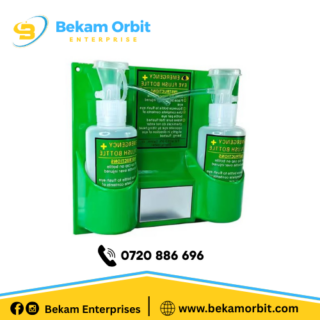 wall-mounted with 1000 ml bottles emergency eye wash station
KShs9,000.00
wall-mounted with 1000 ml bottles emergency eye wash station
KShs9,000.00
-
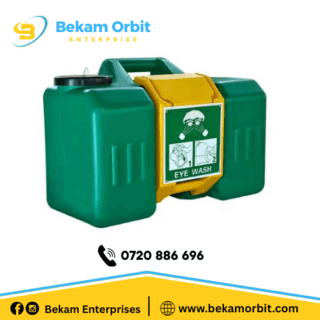 9-Gallon Gravity-Flow Portable Eye Wash Station
KShs17,000.00
9-Gallon Gravity-Flow Portable Eye Wash Station
KShs17,000.00
-
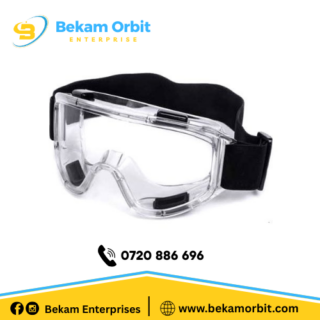 Lab Safety Goggles
KShs400.00
Lab Safety Goggles
KShs400.00
-
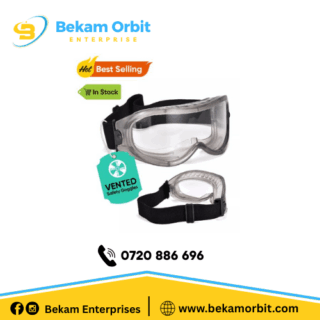 Over Glasses Safety Goggles
KShs700.00
Over Glasses Safety Goggles
KShs700.00
-
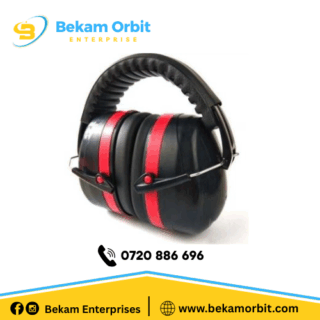 Safety Noise Cancelling Earmuffs
KShs1,300.00
Safety Noise Cancelling Earmuffs
KShs1,300.00
-
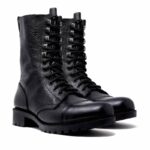
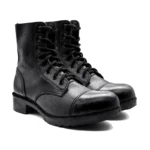
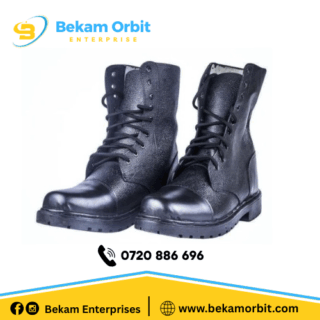 Askari Security Boots
KShs1,800.00
Askari Security Boots
KShs1,800.00
-
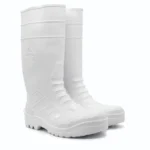
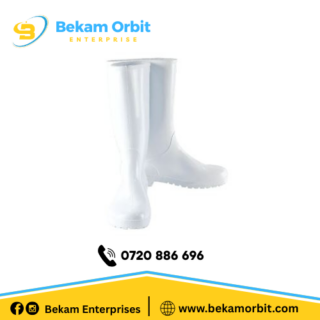 White light duty gumboots
KShs800.00
White light duty gumboots
KShs800.00
-
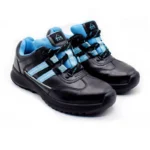
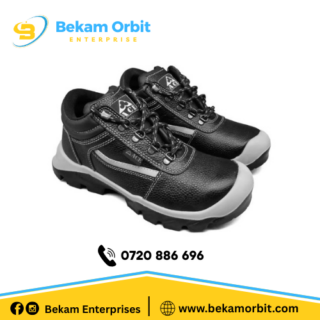 Ace Duma Safety Shoes
KShs3,100.00
Ace Duma Safety Shoes
KShs3,100.00