
Recently Viewed Products
Leather Welding Gloves in Kenya: The Best Types, EN Standards & How to Choose
If you’ve been searching for leather welding gloves, you already know the problem: some gloves look “heavy duty” but burn through fast, others are thick but too clumsy to hold a torch properly, and some are simply not built for Kenyan workshop realities—hot days, long shifts, rough handling, grinding sparks, and constant exposure to heat.
This guide will help you choose the right leather welding gloves for your welding type (MIG, TIG, ARC/Stick), explain the key EN standards, and give you a quick checklist you can use before buying.
If you want to shop as you read, start here: Explore Welding Gauntlets & Gloves.
Why leather is the best material for welding gloves (when it’s the right leather)
Welding gloves need to do three things well:
- Resist heat and sparks (including short exposure to spatter)
- Survive abrasion (grinding, metal edges, rough workpieces)
- Stay usable (you still need grip and control)
Leather works because it’s naturally tough, heat-tolerant, and durable—but not all leather gloves are equal. The “best” leather welding gloves depend on:
- Your welding process
- How much heat/spatter you face
- How much dexterity you need
- Cuff length and glove build
Choose leather welding gloves by welding type (fast guide)
1) MIG welding (more spatter, more heat)
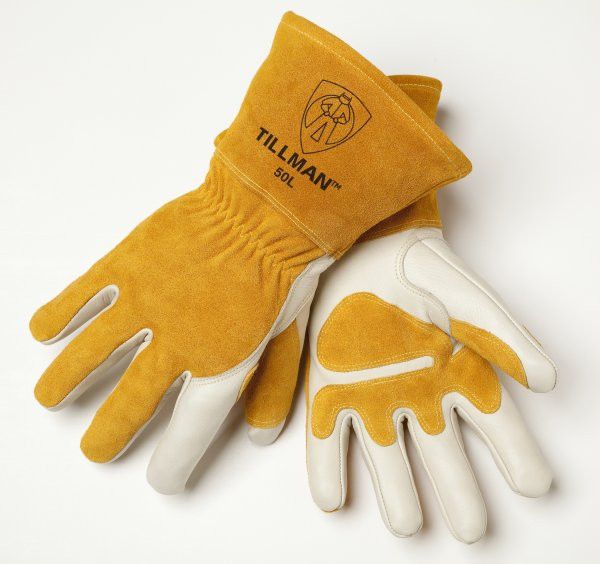
MIG typically throws more spatter than TIG, so you want thicker leather and a longer cuff.
Best choice:
- Split cowhide leather welding gauntlets (thick build, long cuff)
- Reinforced palm + strong seams
- Optional lining for extra heat comfort
Good for: fabrication shops, construction welding, gates/frames, structural work.
Shop category: Browse Leather & Heat-Resistant Welding Gloves
2) TIG welding (precision and control)
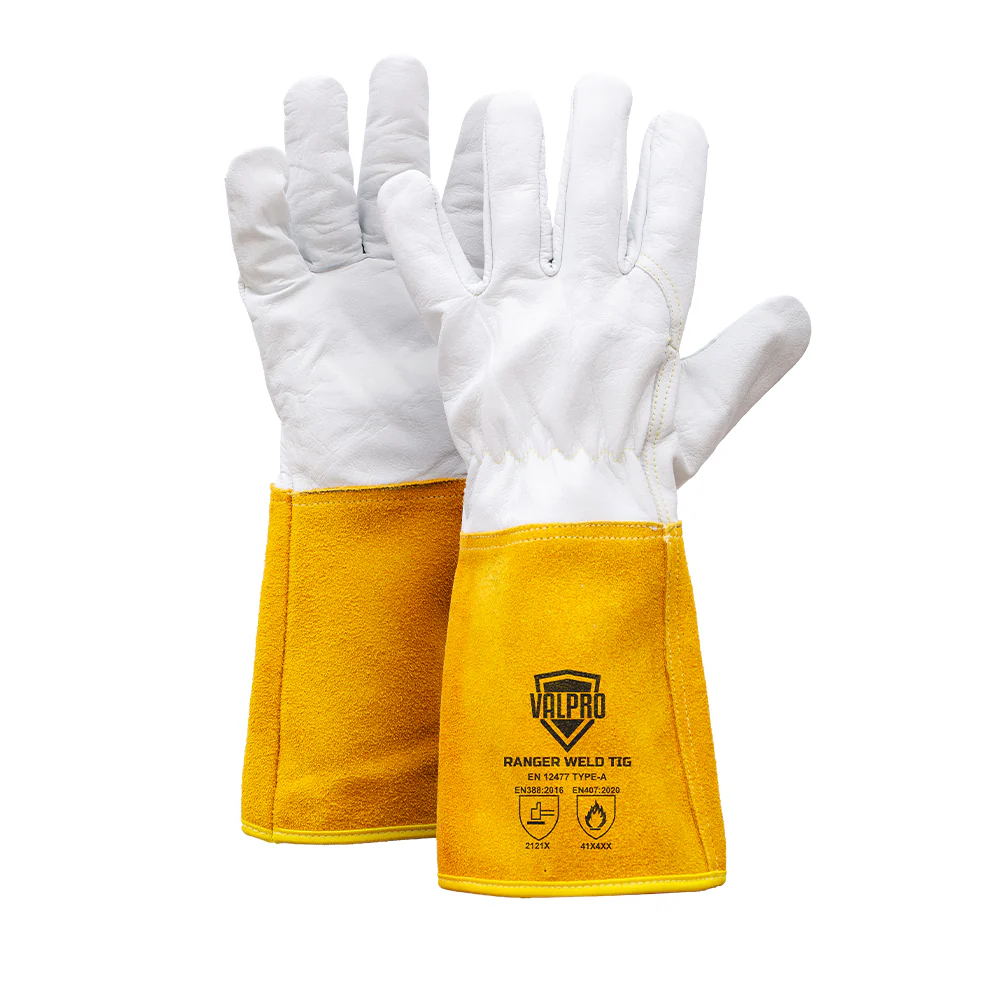
TIG needs finger control more than bulk. Thick gloves can ruin precision and cause hand fatigue.
Best choice:
- Softer leather with higher dexterity (often goatskin-style builds, or thinner premium leather designs)
- Snug fit at fingertips
- Still needs heat resistance, but balanced for control
Pro tip: For TIG, the best leather welding gloves feel “close” to the hand—no twisting, no loose fingertips.
3) ARC/Stick welding (high heat, heavy-duty work)
Stick welding can be heat-intensive, especially in tougher job-site conditions.
Best choice:
- Heavy split leather gauntlets
- Long cuff for forearm protection
- Durable stitching and reinforced wear zones
If your work includes grinding + welding on site, prioritize durability and cuff coverage.
The standards that matter for leather welding gloves (don’t skip this)
A glove can be “leather” and still be wrong for welding. Standards help you confirm it’s built for the job.
EN 12477 — the welding glove standard
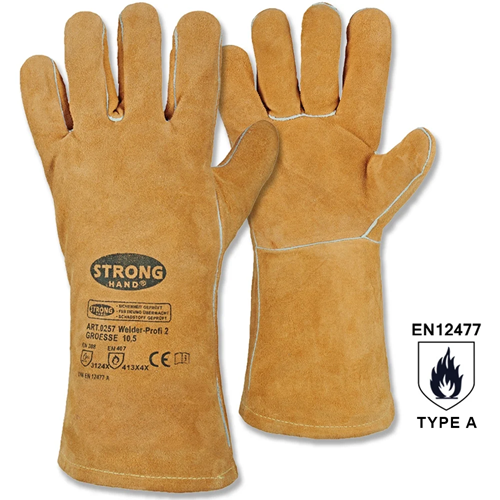
EN 12477 is the go-to standard for welding gloves and is often shown as:
- Type A: More protection, thicker, tougher (less dexterity)
- Type B: More dexterity, better for precision (less bulky protection)
If you’re mostly doing MIG/Stick, Type A is often the practical pick. If TIG is your main work, Type B can make life easier.
Check: EN 12477 gloves for welders explained
EN 407 — thermal risks (heat performance)
EN 407 relates to thermal protection. In simple terms: it helps confirm the glove has been tested for heat-related hazards (not just “looks thick”).
Check: EN 407 thermal risks overview
EN 388 — mechanical risks (abrasion/tear/puncture)
Welding gloves also suffer abrasion and tearing, especially in fabrication and site handling. EN 388 helps compare durability for mechanical wear.
Split leather vs grain leather for welding: what’s best?
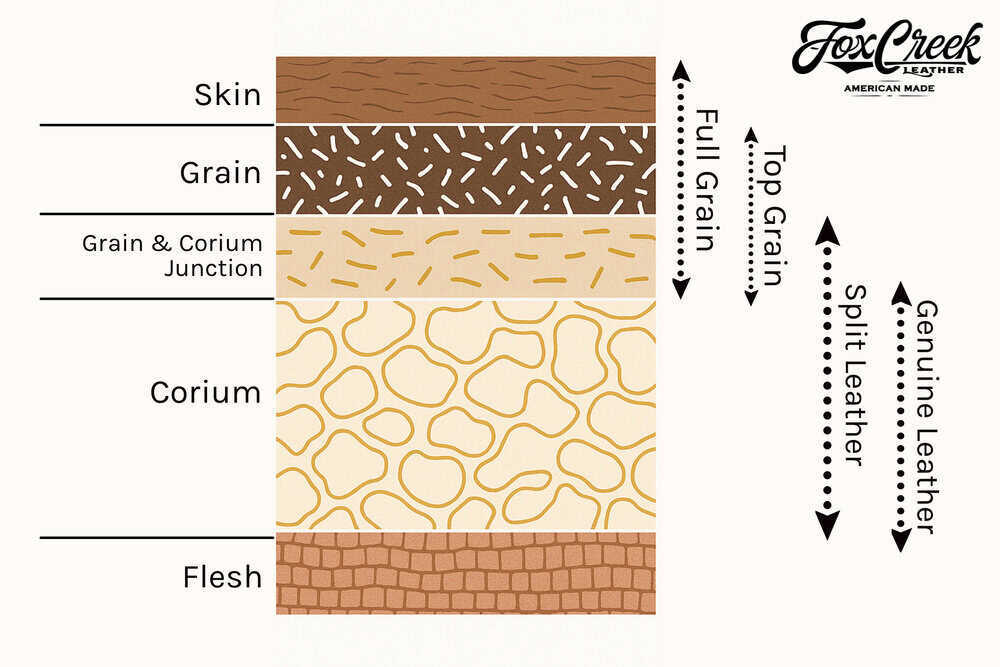
This is where most buyers get stuck. Here’s the simple, practical take:
Split cowhide leather (most common for welding gauntlets)
Best for: MIG/Stick, rough work, heavy spatter
Why: Thick, durable, and handles harsh conditions well.
Trade-off: Less finger dexterity.
Grain leather (often for comfort/dexterity)
Best for: lighter welding tasks and mixed workshop work
Why: Can feel smoother and more flexible, depending on build.
Trade-off: May not handle heavy spatter as well as thick split-leather gauntlets.
For most Kenyan welding shops that do gates, grills, frames, and fabrication, split leather gauntlets are the everyday workhorses.
Features that separate “cheap gloves” from truly good leather welding gloves
When two gloves look similar, these details decide whether they last:
1) Cuff length (this is non-negotiable)
A welding glove should protect the wrist and lower forearm.
- Short cuff = exposed wrist burns
- Gauntlet cuff = better spark/spatter protection
2) Stitching quality
Heat destroys weak seams first. Look for:
- Tight, consistent stitching
- Reinforced stress points (thumb base, palm edge)
3) Lining and inner comfort
Lining helps with:
- Heat comfort
- Sweat management (important in hot workshops)
- Reducing friction during long shifts
4) Reinforced palm and thumb
This is where gloves die first—especially if you carry steel, hold clamps, or grind between welds.
The 10-second buying checklist for leather welding gloves
Before you buy, confirm:
- Which welding type?: MIG/Stick = thicker; TIG = dexterity
- Cuff length: is long enough for sparks/spatter
- Standard markings: (EN 12477 + EN 407 ideally)
- Fit: snug fingertips, no twisting when gripping
- Build: reinforced palm/thumb, strong seams
- Comfort: lining if you work long hours
- Work environment: grinding + welding = prioritize abrasion durability
- Replacement plan: don’t wait for holes or burnt seams
How to make leather welding gloves last longer (Kenya-friendly care tips)
Leather welding gloves fail faster when they’re:
- Soaked in water/oil, then heat-dried aggressively
- Left with metal dust and grinding debris embedded in seams
- Used for tasks they aren’t meant for (like chemical handling)
Do this instead:
- Shake off debris after work
- Air-dry in shade (not directly in intense heat)
- Replace gloves once seams weaken, or leather hardens/cracks
What else to wear with leather welding gloves (complete PPE setup)
Good gloves don’t replace the rest of the welding PPE. For a safer setup, check:
- Explore Welding Helmets & Face Protection
- Browse Safety Boots & Work Shoes
- View More PPE & Safety Equipment in Nairobi
Where to buy leather welding gloves in Nairobi and across Kenya
If you want the right glove for your welding type (and a consistent supply for teams), shop by category first:
- Explore Welding Gauntlets & Gloves
- Browse Leather & Canvas Work Gloves
- Contact Bekam Orbit for Bulk Orders
FAQs: Leather welding gloves
1) Are leather welding gloves heat-resistant?
Yes—good ones are built for heat and sparks, especially when they meet welding/thermal standards like EN 12477 and EN 407. Check: EN 12477 explained
2) What’s the best leather welding glove for MIG welding?
Typically, split cowhide leather welding gauntlets with a longer cuff and reinforced palm are best for MIG because of spatter and higher heat exposure.
3) What’s the best option for TIG welding?
A more dexterous leather welding glove (often Type B style) is usually better, so you can control the torch and filler rod properly.
4) Do I need long-cuff gauntlets?
If you weld regularly—especially MIG/Stick—yes. Sparks and spatter often hit wrists and lower forearms first.
5) When should I replace leather welding gloves?
Replace when you see:
- Burnt or opening seams
- Hardened/cracked leather
- Holes or worn-through fingertips/palm
- Reduced grip and control


Product Gallery
Featured Products
-
 wall-mounted with 1000 ml bottles emergency eye wash station
KShs9,000.00
wall-mounted with 1000 ml bottles emergency eye wash station
KShs9,000.00
-
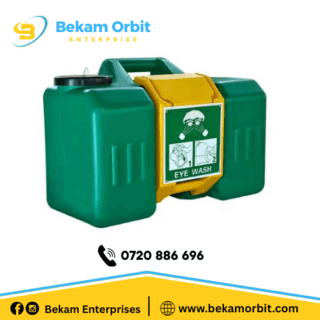 9-Gallon Gravity-Flow Portable Eye Wash Station
KShs17,000.00
9-Gallon Gravity-Flow Portable Eye Wash Station
KShs17,000.00
-
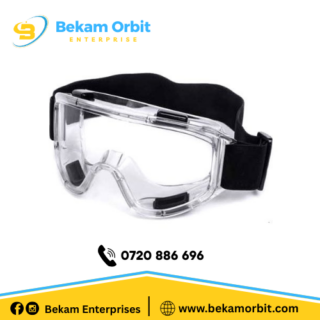 Lab Safety Goggles
KShs400.00
Lab Safety Goggles
KShs400.00
-
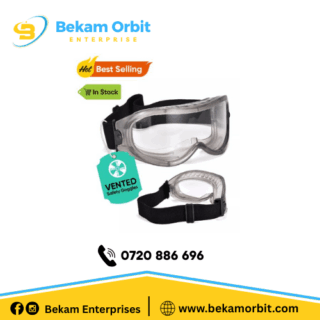 Over Glasses Safety Goggles
KShs700.00
Over Glasses Safety Goggles
KShs700.00
-
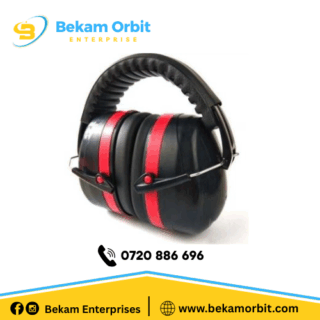 Safety Noise Cancelling Earmuffs
KShs1,300.00
Safety Noise Cancelling Earmuffs
KShs1,300.00
-
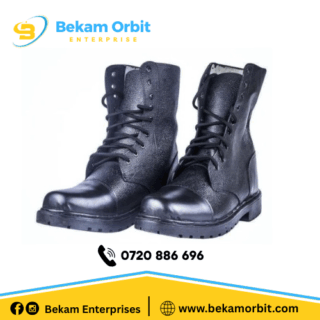 Askari Security Boots
KShs1,800.00
Askari Security Boots
KShs1,800.00
-
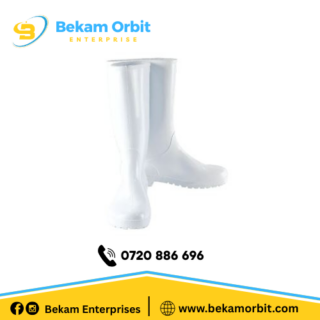 White light duty gumboots
KShs800.00
White light duty gumboots
KShs800.00
-
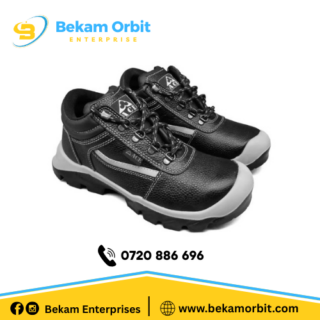 Ace Duma Safety Shoes
KShs3,100.00
Ace Duma Safety Shoes
KShs3,100.00



















Leave a Reply