Recently Viewed Products
-
 Smoke detectors
KShs2,000.00
Smoke detectors
KShs2,000.00
-
 Plain Orange Tetrex Polyester Overalls (Kenya)
KShs1,000.00
Plain Orange Tetrex Polyester Overalls (Kenya)
KShs1,000.00
-
 Manual 3-Frame Honey Extractor Kenya
KShs33,000.00
Manual 3-Frame Honey Extractor Kenya
KShs33,000.00
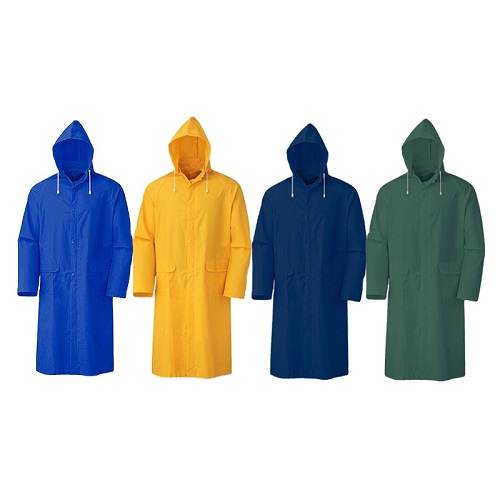
Polyester vs Nylon Raincoat Fabrics: Which is Best for Kenya’s Rainy Seasons?
When it comes to choosing the perfect raincoat for Kenya’s often unpredictable rainy seasons, the fabric matters a lot. At Bekam Orbit, we pride ourselves on offering quality raincoats and rider suits made primarily from two popular shell materials: polyester and nylon. Both are widely used locally in manufacturing plain raincoats, reflective raincoats, plain rider suits, and reflective rider suits. However, polyester remains the most popular choice for many reasons related to the polyester vs nylon raincoat fabric debate, which we’ll explore in detail in this article.
Whether you need rain gear for daily commuting, outdoor work, or company uniforms, understanding the key differences between polyester and nylon fabrics can help you make an informed choice. We also provide ready raincoats in black, jungle green, and navy blue, with the option to customize colors according to your preferences or company branding. Understanding the differences between polyester and nylon raincoat fabric can significantly impact your decision when selecting rain gear.
Understanding Raincoat Fabrics: Polyester and Nylon
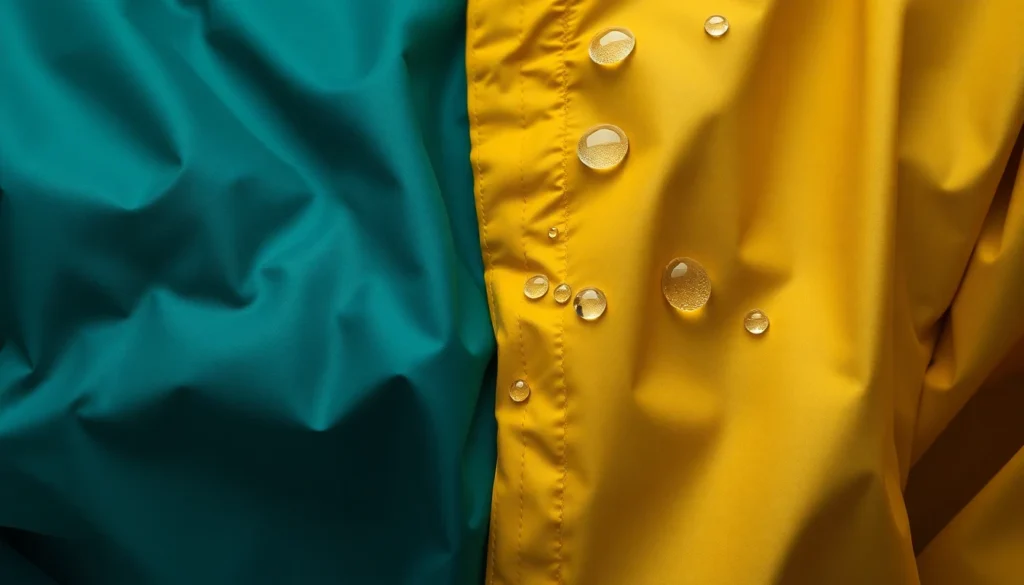
Comparing Polyester vs Nylon Raincoat Fabric
This section will focus on the polyester vs nylon raincoat fabric characteristics and their implications for users.
Raincoats designed to protect against Kenya’s heavy downpours are typically made from waterproof breathable fabrics. These fabrics consist of at least two main components:
- Outer shell fabric – the visible fabric on the raincoat’s surface.
- Waterproof breathable membrane or coating – a layer beneath the shell that prevents water penetration but allows sweat vapor to escape.
In some cases, a third inner protective layer is added for durability, but the focus here is on the outer shell fabric—the face of the raincoat that determines much of its performance and feel.
Locally and globally, polyester and nylon are the two most common materials used for this outer shell. Both have their pros and cons, influenced by their physical and chemical properties.
In the comparison of polyester vs nylon raincoat fabric, each material brings unique advantages.
Polyester Raincoat Fabric: Features and Benefits
This section highlights the reasons why polyester vs nylon raincoat fabric is essential in decision-making.
Polyester is a synthetic fabric known for its durability, water resistance, and affordability—qualities that make it the most popular raincoat shell material in Kenya.
Key Features of Polyester:
- Hydrophobic Nature: Polyester fibers repel water naturally, which means the fabric resists absorbing moisture and keeps the raincoat lighter even in heavy rains.
- Durability: Polyester is resistant to tearing and abrasion, making it reliable for everyday wear, especially in rugged outdoor or industrial environments.
- UV Resistance: Unlike nylon, polyester resists UV damage better, so raincoats maintain their color and strength even after prolonged sun exposure.
- Quick Drying: When wet, polyester dries faster than nylon, providing comfort and reducing the damp feeling.
- Affordability: Polyester raincoats are generally more budget-friendly, a crucial factor for many individuals and companies in Kenya.
- Easy Care: Polyester resists wrinkles and shrinking, requiring minimal maintenance.
Local Popularity and Use Cases
In Kenya, polyester is the preferred fabric for plain and reflective raincoats, as well as rider suits for motorbike riders and outdoor workers. Its balance of durability, water repellency, and affordability makes it ideal for businesses requiring bulk purchases of high-quality protective rainwear without breaking the bank.
The polyester vs nylon raincoat fabric discussion is ongoing, with many consumers weighing the benefits of both.
Nylon Raincoat Fabric: Features and Benefits
When considering nylon vs polyester in the context of raincoat fabric, it’s essential to understand user requirements.
Nylon is another synthetic fabric used in raincoat manufacturing, celebrated for its strength and lightweight properties.
Key Features of Nylon:
In this section, we dive deeper into the polyester vs nylon raincoat fabric features.
- High Strength and Abrasion Resistance: Nylon is stronger than polyester and can withstand harsh conditions, making it excellent for expedition gear.
- Lightweight and Packable: Nylon’s low weight makes it easy to fold and carry, ideal for rain jackets intended for travel or outdoor activities.
- Moisture Absorption: Nylon is hydrophilic, meaning it absorbs some water, which can make it feel heavier and take longer to dry.
- Water Resistance: Like polyester, nylon can be treated with durable water repellent (DWR) coatings or polyurethane membranes to enhance waterproofness.
- Breathability: Pure nylon isn’t very breathable, but many nylon raincoats incorporate breathable membranes to improve comfort.By analyzing the polyester vs nylon raincoat fabric options, we assist you in making an informed choice.
- UV Sensitivity: Nylon is less resistant to UV rays than polyester and can degrade over time with sun exposure.
When Nylon is Preferred
Nylon raincoats are suitable when lightweight and durability are top priorities, such as for hikers (especially in Rain ponchos gear) or professionals working in highly abrasive environments. However, due to higher cost and potential for moisture absorption, nylon is less common in Kenya’s local rainwear market.
Head-to-Head Comparison: Polyester vs Nylon for Raincoats
Understanding the key differences between polyester and nylon raincoat fabric allows you to choose based on your specific needs.
| Property | Polyester | Nylon |
|---|---|---|
| Durability | Durable, resistant to UV and tearing | Stronger and more abrasion-resistant |
| Water Resistance | Naturally hydrophobic, repels water better | Requires treatment, absorbs some water |
| Breathability | More breathable, dries faster | Less breathable unless enhanced with membranes |
| Weight | Slightly heavier | Lighter and packable |
| Drying Time | Dries quickly | Slower to dry, can feel damp |
| Cost | More affordable | Almost double the price locally |
| UV Resistance | High resistance | Lower resistance can degrade in sunlight |
| Maintenance | Easy care, wrinkle-resistant | Requires more care, prone to UV degradation |
| Environmental Impact | Easier to recycle, but petroleum-based | Less recyclable, production is more resource-intensive |
In summary, polyester is favored for everyday, heavy-use raincoats that need to withstand Kenya’s weather and the sun’s intense rays while staying affordable. Nylon’s strength and lightweight nature make it excellent for specialized uses, but its higher cost and maintenance needs limit its local popularity.
The ongoing debate of polyester vs nylon raincoat fabric continues to influence consumer choices.
Choosing the Right Raincoat Fabric for Kenya’s Weather and Needs
When selecting a raincoat fabric, consider these factors:
- Frequency of Use: Frequent use calls for durable, easy-care polyester. For occasional or technical outdoor use, nylon may be suitable.
- Type of Activity: For rugged work environments or motorbike riders, polyester’s durability and UV resistance are advantages. For hiking and travel, nylon’s lightweight packability is beneficial.
- Budget: Polyester is generally the more budget-friendly option, making it accessible for companies and individuals in Kenya.
- Climate Considerations: Kenya’s rainy seasons are often characterized by heavy sun exposure. Polyester’s quick-drying and UV resistance make it ideal.
- Customization Needs: Bekam Orbit offers polyester raincoats in standard colors like black, jungle green, and navy blue, with custom colors available to meet corporate branding or personal preferences.
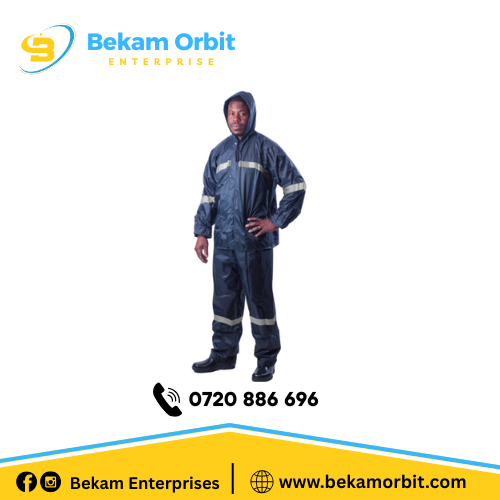
NAVY BLUE RAINSUIT From Bekam Orbit
Conclusion
Choosing between polyester and nylon raincoat fabrics depends on your specific needs, budget, and intended use. For most Kenyans and companies, polyester offers the best balance of water resistance, durability, comfort, and affordability—making it the most popular fabric for raincoats and rider suits locally. The ongoing polyester vs nylon raincoat fabric debate highlights the strengths and weaknesses of both materials.
At Bekam Orbit, we understand the importance of quality rainwear that performs well under Kenyan weather conditions. That’s why we stock ready-to-wear polyester raincoats and rider suits in versatile colors, with customization options to suit your style or corporate identity.
At Bekam Orbit, we believe that understanding the polyester vs nylon raincoat fabric differences can empower consumers to make better choices. Explore our selection today and get the best rain protection tailored to your needs with our polyester vs nylon raincoat fabric options here.


Product Gallery
Featured Products
-
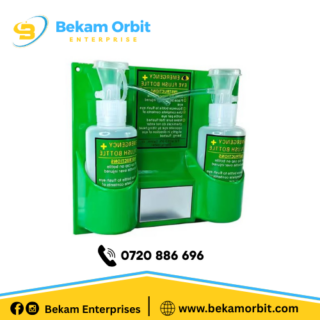 wall-mounted with 1000 ml bottles emergency eye wash station
KShs9,000.00
wall-mounted with 1000 ml bottles emergency eye wash station
KShs9,000.00
-
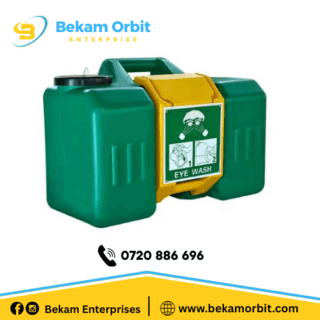 9-Gallon Gravity-Flow Portable Eye Wash Station
KShs17,000.00
9-Gallon Gravity-Flow Portable Eye Wash Station
KShs17,000.00
-
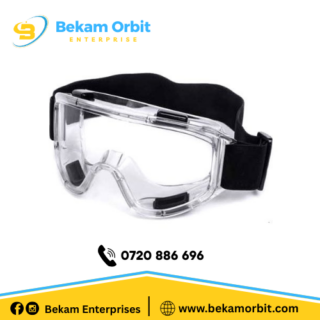 Lab Safety Goggles
KShs400.00
Lab Safety Goggles
KShs400.00
-
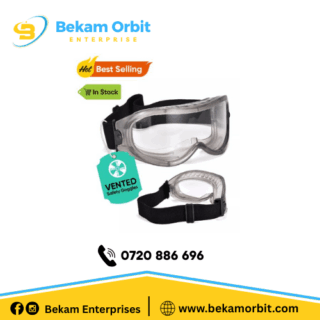 Over Glasses Safety Goggles
KShs700.00
Over Glasses Safety Goggles
KShs700.00
-
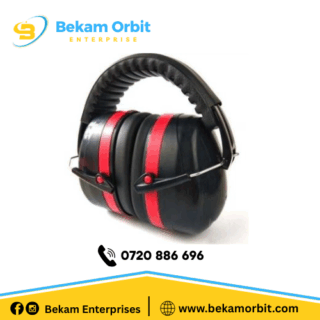 Safety Noise Cancelling Earmuffs
KShs1,300.00
Safety Noise Cancelling Earmuffs
KShs1,300.00
-
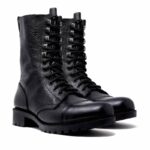
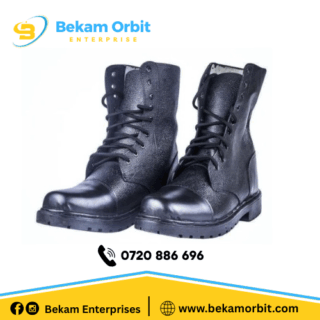 Askari Security Boots
KShs1,800.00
Askari Security Boots
KShs1,800.00
-
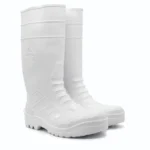
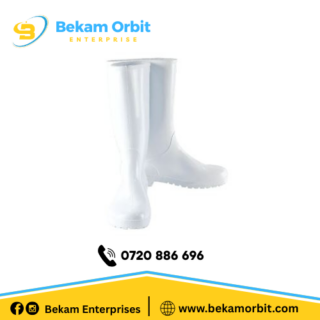 White light duty gumboots
KShs800.00
White light duty gumboots
KShs800.00
-
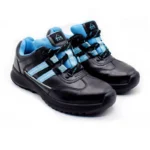
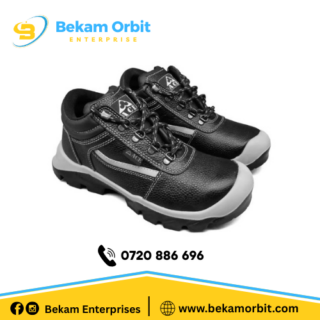 Ace Duma Safety Shoes
KShs3,100.00
Ace Duma Safety Shoes
KShs3,100.00