Category: Safety showers
Showing all 12 results
-
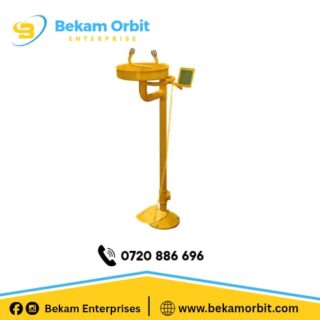
304 Stainless Steel + Yellow ABS Coated Eyewash Station with Foot Pedal Kenya | Emergency Dual Spray
KShs23,500.00Add to cartHeavy-duty 304 stainless steel eyewash station with yellow ABS coating and foot pedal activation for hands-free emergency eye rinsing in Kenyan industrial and laboratory sites.
-
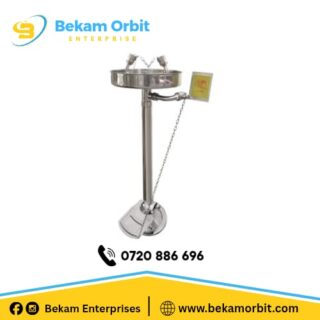
304 Stainless Steel Emergency Eyewash Station Kenya | Pedal Activated
KShs23,500.00Add to cart304 stainless steel emergency eyewash station for Kenyan workplaces—dual spray heads with filters, fast ball-valve control, and hands-free pedal activation for rapid eye/face flushing.
-
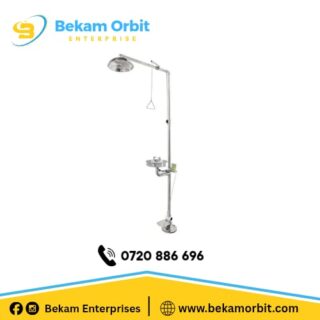
ANSI Z358.1-2014 Emergency Eyewash Station Kenya – 304 Stainless Steel Foot Pedal Safety Shower (Silver)
KShs45,000.00Add to cartClear-silver 304 stainless steel ANSI Z358.1-2014 emergency shower & eyewash station with foot-activated activation, ideal for Kenyan labs, chemical plants, and industrial sites.
-
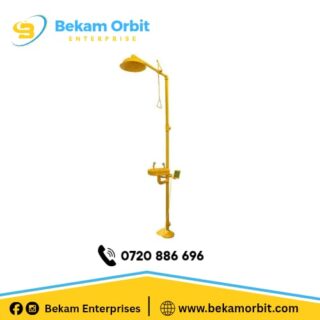
Emergency Shower and Eyewash Station Kenya – Yellow Coated 304 Stainless Steel (Foot Pedal)
KShs45,000.00Add to cartHigh-visibility yellow coated 304 stainless steel emergency shower & eyewash station with foot pedal activation, designed for fast decontamination in Kenyan labs, chemical plants, and industrial sites.
-
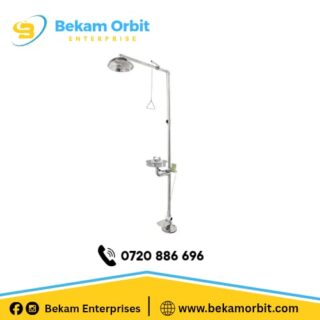
Foot Pedal Emergency Shower Station Nairobi – 304 Stainless Steel Eyewash & Safety Shower (Silver)
KShs45,000.00Add to cartClear-silver 304 stainless steel foot pedal emergency shower station in Nairobi, with integrated eyewash, for fast chemical splash response in industrial and laboratory settings.
-
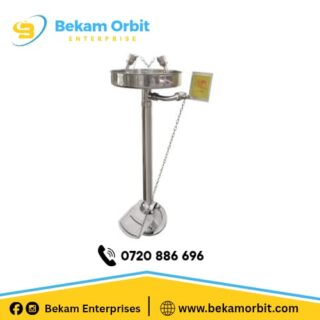
Foot Pedal Eyewash Station Nairobi | 304 Stainless Steel Dual Spray
KShs23,500.00Add to cartFoot pedal eyewash station in Nairobi with 304 stainless steel body, dual filtered spray heads, luminous push board, and fast activation for emergency eye/face flushing.
-
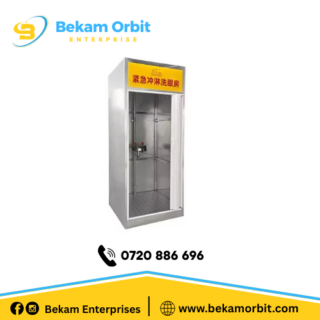
Shower and Eye/Face Wash
KShs300,000.00Add to cartEssential features
- A great addition to unsafe environments where the eyes, face, and body may be exposed to corrosive materials
- Requires minimal maintenance and is equipped with a test card to record weekly testing
- Reducing installation time means the entire unit is pre-built and fully water/pressure tested.
- Solid, reinforced, molded fiberglass booth makes for a private, free-standing emergency equipment.
-
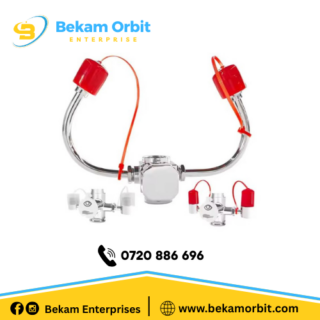
sink faucet eyewash station
KShs20,000.00Add to cartHow the sink faucet eyewash station works
- Retain your sink’s Normal Function while Adding Emergency Eyewash Capabilities that can be Activated in Moments with the Flip of a Lever During an Emergency.
- Eye Nozzle Swivels for Adjustable Direction and Water Flow. It can be easily located and activated to provide first aid when necessary and flush out dust, pollen, or chemicals with clean water.
- Compatible with most Faucets. The existing Faucet Must have a Removable Aerator or inside/outside threads for Connection. Standard Faucet and Sink Not Included.
-
-
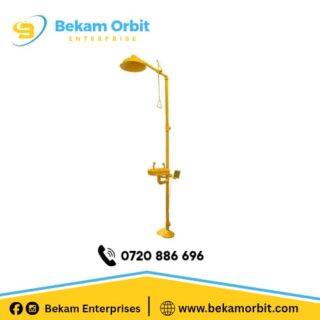
Stainless Steel Safety Shower Eyewash Station Nairobi – Yellow Coated 304 SS (Foot Pedal)
KShs45,000.00Add to cartYellow coated 304 stainless steel safety shower & eyewash station for Nairobi worksites, featuring foot pedal activation, ANSI-aligned design, and heavy-duty corrosion resistance.
-
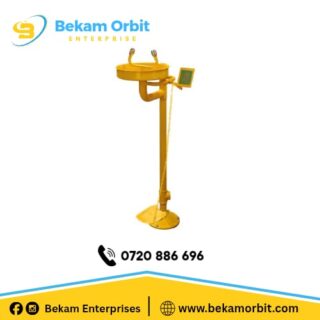
Yellow ABS Coated Emergency Eyewash Station Nairobi | 304 Stainless Steel Foot Pedal Dual Spray Eye Washer
KShs23,500.00Add to cartHigh-visibility yellow ABS coated 304 stainless steel eyewash station with dual spray nozzles and foot pedal for hands-free emergency eye washing in Nairobi workplaces.
-
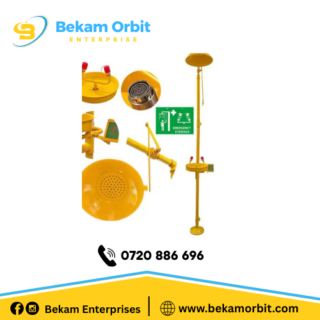
Yellow Stainless Steel Eyewash Station
KShs45,000.00Add to cartEssential fetuares
- MATERIAL: Stainless steel, Corrosion-resistant.
- PARTS: The emergency eyewash shower station includes a self-draining system to prevent water collection and freezing, and the lever activation is easily located and highly visible in an emergency.
- PRODUCT FEATURES: The gentle foam water flow of the eye-catching nozzle improves cleaning efficiency by 50% compared with the ordinary eye-washing nozzle. The shower features the Lifesaver Shower Head, which delivers a robust, powerful, yet comfortable spray.
- APPLICATIONS: The Yellow Stainless Steel Eyewash Station is used in petrochemical, chemical, semiconductor, pharmaceutical manufacturing, and other industries with exposed dangerous materials.
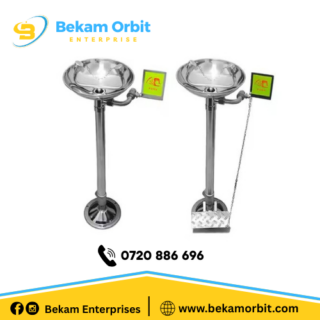
Safety Showers in Kenya – Emergency Decontamination for Safer Workplaces in Nairobi & Beyond
When chemicals, corrosives, or hazardous liquids splash onto skin or clothing, seconds matter. A properly installed emergency safety shower gives your team a fast, on-the-spot way to drench and flush contaminants before injuries get worse. The first 10–15 seconds after exposure—especially for corrosive chemicals—are critical, and delaying treatment even briefly can increase the severity of injury.
At Bekam Orbit, we supply Safety Showers in Kenya for laboratories, factories, workshops, schools, hospitals, cleaning teams, and industrial sites that need reliable emergency response equipment. Whether you’re setting up a compliance-ready workstation or upgrading your current safety program, this category helps you choose the right emergency shower station for your hazard level and work environment.
What is a safety shower, and when do you need one?
A safety shower (also called an emergency drench shower) is designed to rapidly flush the body with a large volume of water after exposure to hazardous substances. It’s commonly required in areas where staff handle or store:
- Acids, alkalis, solvents, detergents, and industrial chemicals
- Laboratory reagents and corrosive cleaning agents
- Battery acid and automotive/industrial fluids
- Paints, adhesives, degreasers, pesticides, and similar chemicals
If your workplace has a chemical handling area, mixing station, lab bench, chemical store, or process line where splashes can occur, a safety shower is a smart and often necessary safety investment. (Many workplaces also install combination units that include both a shower and eyewash.)
Common workplaces that need emergency safety showers in Nairobi and Kenya
Safety showers are widely used across Kenyan industries, including:
- Laboratories & schools: chemical prep rooms, science labs, cleaning chemical stores
- Manufacturing & factories: production lines, chemical dosing areas, process plants
- Garages & workshops: battery rooms, degreasers, paint/solvent use
- Hospitals & clinics: sterilization areas, chemical cleaning zones
- Warehouses: chemical storage and spill-response points
- Construction & industrial yards: where corrosives, cement additives, fuels, or chemicals are handled
If you’re building a full eye-and-body emergency response setup, pair safety showers with Eyewash Stations in Nairobi and your core Eye Protection Equipment.
Types of safety showers you’ll find in this category
Different hazards require different configurations. The most common options include:
1) Emergency drench safety showers (full-body)
These are designed for rapid full-body flushing after a chemical splash or contamination event. They’re ideal for factories, chemical stores, labs, and high-risk industrial areas.
2) Combination safety shower + eyewash units
Combination units support both full-body drenching and eye/face flushing, which is useful when splashes can affect the face and eyes in addition to skin. Many workplaces prefer combo units for convenience and better overall coverage.
3) Industrial stainless-steel and coated units (durability focus)
For high-use industrial settings, you’ll often see heavy-duty builds such as 304 stainless steel, plus high-visibility finishes (commonly yellow-coated) for easy identification on site.
Key compliance and performance checklist (what to look for)
When choosing a safety shower in Kenya, use these practical criteria aligned with widely used safety guidance (ANSI/ISEA Z358.1 is commonly referenced globally for emergency shower/eyewash equipment):
Fast access: reachable within ~10 seconds
Emergency equipment should be placed close to the hazard, typically within about 10 seconds walking distance, on the same level, and with an unobstructed path.
Water temperature: tepid flushing fluid
Tepid water is recommended/required in ANSI-aligned guidance because water that’s too hot or too cold can discourage full flushing time. “Tepid” is commonly defined as 16–38°C (60–100°F).
Flush duration: supports a full 15-minute decontamination
Emergency shower/eyewash guidance commonly targets 15 minutes of flushing to reduce harm from corrosive exposure and improve outcomes. (ISEA)
Hands-free operation and easy activation
Units should activate quickly and remain operating without the user needing to hold a lever continuously—important when the injured person is disoriented or has limited mobility.
Visibility, lighting, and signage
Make sure the shower is clearly visible, well-lit, and marked so workers can reach it instantly in an emergency. (hughes-safety.com)
Placement tips for Kenyan worksites (simple, practical guidance)
A safety shower is only useful if it’s correctly located. Here’s what works best in real workplaces:
- Install near chemical handling points: mixing, dosing, decanting, lab benches, chemical stores
- Keep the route clear—no pallets, cartons, doors, or storage blocking access
- Put it on the same level as the hazard, where possible
- Ensure adequate drainage or splash management (especially indoors)
- In outdoor/freeze-risk environments (rare in most of Kenya but relevant in cold storage setups), protect the water supply appropriately
For better emergency organization, add clear safety wayfinding from your signage category (for example, emergency identification signs and hazard labels).
Maintenance and weekly checks that keep safety showers reliable
Emergency showers should not be “install and forget.” Regular checks help ensure:
- Water flows properly when needed
- Lines are flushed (reducing stagnant water)
- Valves, nozzles, and activation mechanisms work smoothly
ANSI-aligned guidance commonly recommends weekly activation/inspection as part of readiness and flushing the line.
If your workplace runs routine safety checks, consider pairing shower maintenance with broader PPE compliance checks and ensuring staff know the spill-response process.
Build a complete chemical splash safety setup
Safety showers are strongest when supported by the right PPE and response tools. Consider adding:
- Eye protection: Safety Glasses in Kenya
- Eyewash backup: Eyewash Stations in Nairobi
- Chemical gloves: Chemical & Liquid Protection Gloves
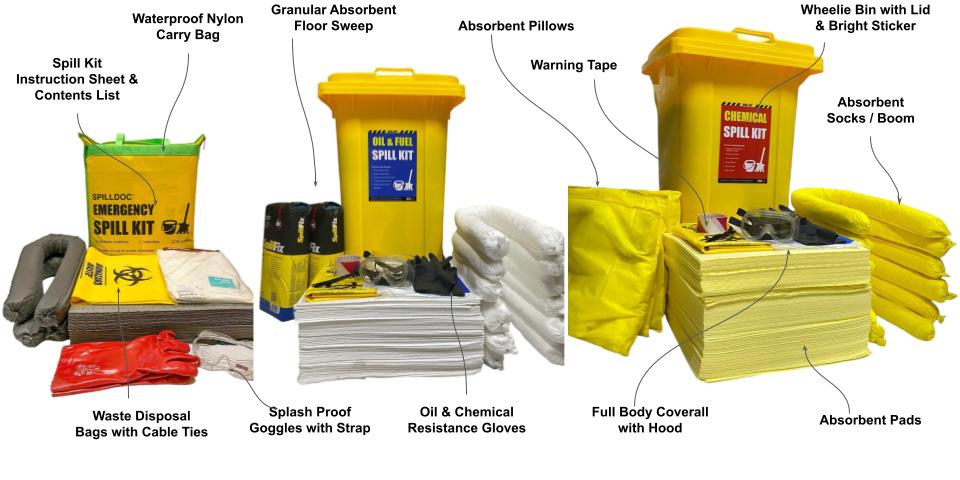
- Spill response: Spill Kits
- Workplace readiness: PPEs in Nairobi
FAQs – Safety Showers in Kenya
1) What’s the difference between a safety shower and an eyewash station?
A safety shower is for full-body drenching, while an eyewash station is for eyes/face flushing after exposure. Many sites choose combination units for broader coverage.
2) Where should we install a safety shower in a lab or factory?
Place it close to the hazard—commonly within about 10 seconds walking distance, on the same level, with a clear path and good lighting/signage. (gesafety.com)
3) How long should someone rinse under a safety shower?
Emergency shower/eyewash guidance commonly targets 15 minutes of flushing for corrosive exposures to reduce harm and improve first-aid mitigation.
4) Does water temperature matter?
Yes. Tepid flushing fluid helps users continue flushing for the full required time. Tepid is commonly defined as 16–38°C (60–100°F) in ANSI-aligned guidance.
5) Do we need a combination shower + eyewash unit?
If your hazards include splashes that can reach the eyes/face, a combination unit is strongly recommended for complete response coverage.
6) How often should we test emergency showers?
ANSI-aligned guidance commonly recommends weekly activation/inspection to ensure readiness and flush the system.
7) Are safety showers only for chemical factories?
No—any workplace that handles corrosive cleaners, lab chemicals, solvents, acids/alkalis, or industrial fluids can benefit from having an emergency safety shower nearby.
8) What should we buy alongside a safety shower?
At minimum: eye protection, chemical gloves, and an eyewash station. For stronger preparedness, keep a spill kit nearby for containment and cleanup.
Need help selecting the right safety shower for your site?
If you tell me your industry (lab, factory, garage, hospital, school, warehouse) and what chemicals/liquids you handle, I’ll recommend the best safety shower type (shower-only vs combination unit), ideal placement points, and the matching PPE add-ons for a complete, compliant setup.

Product Gallery
Featured Products
-
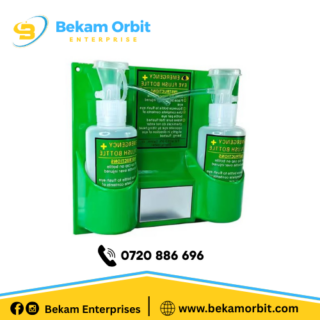 wall-mounted with 1000 ml bottles emergency eye wash station
KShs9,000.00
wall-mounted with 1000 ml bottles emergency eye wash station
KShs9,000.00
-
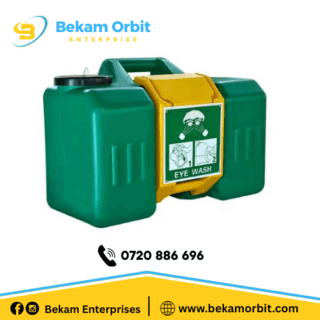 9-Gallon Gravity-Flow Portable Eye Wash Station
KShs17,000.00
9-Gallon Gravity-Flow Portable Eye Wash Station
KShs17,000.00
-
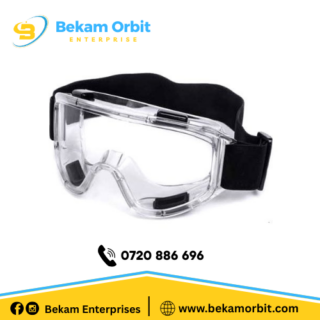 Lab Safety Goggles
KShs400.00
Lab Safety Goggles
KShs400.00
-
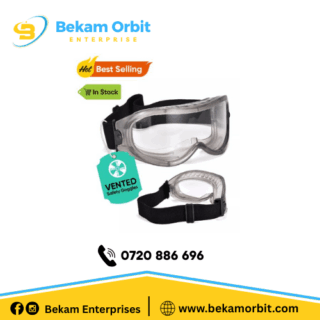 Over Glasses Safety Goggles
KShs700.00
Over Glasses Safety Goggles
KShs700.00
-
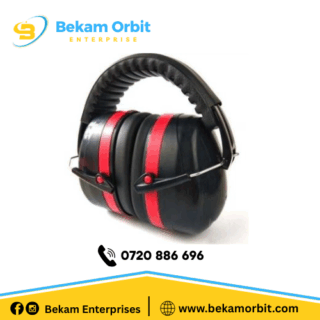 Safety Noise Cancelling Earmuffs
KShs1,300.00
Safety Noise Cancelling Earmuffs
KShs1,300.00
-
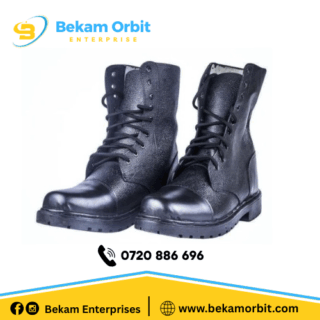 Askari Security Boots
KShs1,800.00
Askari Security Boots
KShs1,800.00
-
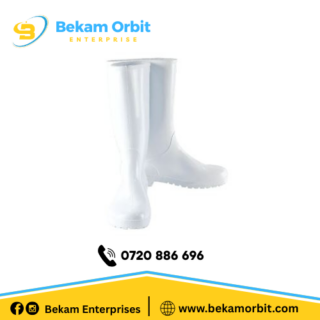 White light duty gumboots
KShs800.00
White light duty gumboots
KShs800.00
-
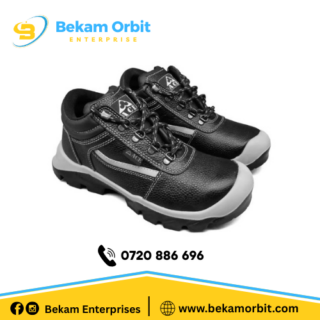 Ace Duma Safety Shoes
KShs3,100.00
Ace Duma Safety Shoes
KShs3,100.00