Category: Insulating rubber gloves
Showing all 3 results
-
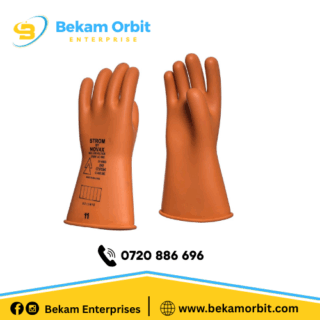
Class 0 Rubber Insulating Electrical Gloves
KShs8,000.00Add to cartClass 0 Rubber Insulating Electrical Gloves – 1000V AC Rated | ASTM & EN Certified
Protect yourself while working on energized circuits with our Class 0 Rubber Insulating Electrical Gloves, rated for up to 1000V AC and 1500V DC. Certified to ASTM D120 and EN 60903, these durable, eco
friendly latex gloves offer superior dielectric protection, excellent flexibility, and a secure straight cuff design. Ideal for electricians and industrial technicians across Kenya.
-
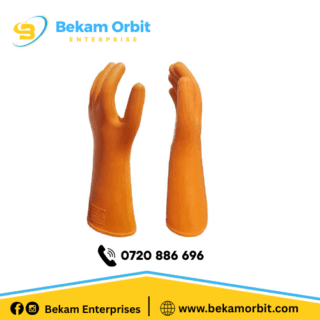
Class 2 Electrical Rated Gloves
KShs12,500.00Add to cartClass 2 Electrical Rated Gloves – 17,000V High Voltage Safety | CE & ASTM Certified
Protect yourself with Class 2 Electrical Rated Gloves, built for electricians working with live voltages up to 17,000V AC. Made from high-quality Malaysian natural latex, these gloves offer superior flexibility, durability, and comfort. They feature a rolled straight cuff for added safety and a hand-contoured design to minimize fatigue during extended periods. Certified to CE EN60903 and ASTM D120 standards, they deliver reliable performance in Kenya’s high-voltage environments. Ideal for industrial and utility work.
Price: KSh 12,500 per pair. Nairobi delivery is available.
Order Now – Quality support without compromising on safety. -
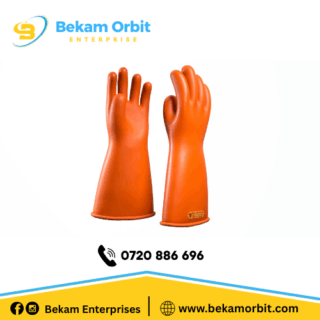
Class 4 Electrical Gloves
KShs25,000.00Add to cartClass 4 Electrical Shock Proof Gloves – 36,000V Rated (IEC/ASTM Certified)
Protect yourself against high-voltage hazards with our Class 4 Electrical Shock-Proof Gloves, rated for up to 36,000 volts AC. Made from durable natural latex, these IEC 60903 and ASTM D120 certified gloves offer superior insulation, flexibility, and a flared cuff for comfort over extended periods. Ideal for electricians and maintenance professionals working with live electricity. Available in 22″ and 24″ lengths.
Order now from our Nairobi store or contact us for bulk pricing and expert support.
Insulating Rubber Gloves in Kenya – Electrical Safety Gloves for Electricians, Linemen & Solar Teams (Nairobi + Nationwide)
Working on live or potentially live electrical systems demands the right protection. Our insulating rubber gloves in Kenya (also searched as electrical rubber gloves, dielectric gloves, or high-voltage electrician gloves) help reduce the risk of electric shock and arc-related injury when used correctly as part of a complete electrical safety program.
Bekam Orbit stocks and sources electrical-grade insulating gloves for electricians, linemen, solar installers, facility maintenance teams, utility crews, and industrial technicians across Nairobi and Kenya. We also support complete kits with leather protectors, cotton liners, glove bags, and documentation—so you can standardize compliant hand protection for Kenyan conditions.
Related:
Why insulating rubber gloves matter on Kenyan worksites
Electrical incidents often happen in tight panels, dusty switch rooms, outdoor work in wet weather, or during urgent troubleshooting—exactly the environments many Kenyan teams face. Insulating gloves create a non-conductive barrier between your hands and energized parts. They work best when combined with proper procedures and PPE, such as:
- lock-out/tag-out (LOTO) and permits to work
- voltage detection and proving
- insulated tools, barriers, and signage
- arc-rated clothing and face/eye protection (as required by risk assessment)
Designed for: panel work, metering, ATS/genset changeovers, control panels, switchgear, substations, LV/MV overhead lines, battery rooms, EV/solar maintenance, and industrial troubleshooting.
What you’ll find in this category
1) Electrical insulating rubber gloves (Class 00–4 options)
Options include low-, medium-, and high-voltage classes depending on your task and system exposure.
2) Leather protector gloves (recommended/required in most procedures)
Leather protectors shield the rubber glove from cuts, abrasion, punctures, and mechanical damage, helping maintain dielectric integrity and extending service life.
3) Cotton liners (comfort + sweat control)
Thin cotton liners help reduce sweat and fatigue—especially for long shifts and warm environments.
4) Storage bags & care accessories
Proper storage reduces damage from UV light, heat, oils, sharp edges, and ozone (e.g., from motors and welding areas).
Voltage class selection guide (quick reference)
Choose class based on the highest possible exposure, not the “usual” voltage. Always verify the exact rating printed/embossed on the cuff and follow your site’s electrical safety rules.
| Class | Max use voltage (AC) | Max use voltage (DC) | Typical tasks in Kenya | Common glove lengths | Leather protector length (typical) |
|---|---|---|---|---|---|
| 00 | 500 V | 750 V | Control panels, instrumentation, battery rooms | 11–14 in | 10–12 in |
| 0 | 1,000 V | 1,500 V | Metering, LV boards, appliance/plant LV work | 11–14 in | 10–12 in |
| 1 | 7,500 V | 11,250 V | LV overhead lines, transformer LV side, mixed LV/MV support | 14–16 in | 12–14 in |
| 2 | 17,000 V | 25,500 V | MV switching/maintenance (site-specific) | 16–18 in | 14–16 in |
| 3 | 26,500 V | 39,750 V | HV yard/substation tasks | 16–18 in | 16+ in |
| 4 | 36,000 V | 54,000 V | EHV specialist work | 16–18 in | 16+ in |
Best practice: wear leather protectors unless your written procedure explicitly permits otherwise for a specific task.
How to choose the right pair (what buyers search for)
1) Pick the correct class
If you may work on 415V and 1kV panels in the same round, choose Class 0 instead of Class 00. If your work mixes LV and MV exposure, many teams standardize on a higher class—so long as dexterity remains acceptable.
2) Size & comfort (important for real-world adoption)
Most ranges cover sizes 7–12. Correct fit improves dexterity and reduces fatigue.
If you’re between sizes or working in heat/humidity, consider cotton liners.
3) Length & cuff style
- 11–14 inch: common for LV boards and panel work
- 14–18 inch: better wrist/forearm coverage for cable terminations, tight panels, overhead line work
Rolled/bell cuffs can make donning and doffing sleeves easier.
4) Complete the system (rubber + protectors + storage)
- Rubber gloves provide dielectric protection
- Leather protectors prevent mechanical damage
- Proper storage keeps gloves in a safe condition between jobs
- Scheduled dielectric testing keeps compliance simple during audits
Care, inspection & testing (rank-and-convert section)
This section reduces buyer hesitation and keeps visitors on your page longer (a common ranking issue in competitive categories).
Daily checks (before each use)
- Air test: roll the cuff to trap air (or use a hand pump) and check for leaks
- Visual check: cuts, swelling, tackiness, cracking, chemical stains, UV/heat damage
- Markings: confirm class rating, test date, and service interval validity
Cleaning & storage
- Wash gently with mild soap and water (avoid solvents)
- Dry thoroughly at room temperature (no direct sun or heaters)
- Store flat/in a bag away from ozone sources, oils, and sharp objects
Periodic dielectric testing (compliance & audit readiness)
Many organizations schedule periodic in-service testing (often every 6 months), but always follow your company policy, client requirements, and manufacturer guidance. Keep certificates/records for audits and insurance. Replace gloves immediately if they fail inspection/testing.
Compliance & standards: what to look for on the glove cuff
- Class marking and proof test stamp/date
- Category markings (ozone resistance, acid resistance, cold performance—when applicable)
- Compatibility with relevant IEC/EN or ASTM requirements (depending on your sector/client specs)
- Traceability: lot numbers + certificates stored in HSSE files
Industries we serve in Kenya
- Utilities & energy: contractors, switching crews, substation maintenance
- Construction & MEP: panel installers, commissioning teams, genset/ATS technicians
- Manufacturing & FMCG: maintenance crews, facility engineers
- Renewables & EV: solar PV O&M, battery banks, EV charging infrastructure
- Transport & data: UPS rooms, cold rooms, server farms, airport ground power support
Buying guide & lead times (Kenya supply reality)
- Common classes (00, 0, 1) are typically faster to supply
- Higher classes may be ordered on request, depending on brand/availability
- We can support team sizing (reduces returns and improves compliance)
- Request bundles: rubber glove + leather protector + liner + storage bag to standardize kits across sites
- Documentation: Request test certificates / COCs for HSSE records
For tailored guidance and bulk quotations, contact Bekam Orbit here.
Price guide: what affects cost
Pricing varies mainly by:
- Voltage class (higher class = more material + higher test requirements)
- Length (longer gloves cost more)
- Category features (ozone/cold/acid resistance depending on marking)
- Protectors & liners (added per pair)
- Brand + documentation requirements
We deliver nationwide (Nairobi fast options; upcountry via reliable courier).
FAQs
Do I really need leather protectors over rubber gloves?
Yes—unless your written procedure explicitly says otherwise for a specific low-risk task. Protectors prevent cuts/abrasions that can compromise dielectric integrity.
How do I pick the right size?
Measure around the knuckles (excluding thumb). If between sizes, consider sizing up slightly—liners and heat can affect comfort.
How often should gloves be retested?
Follow your company policy and client requirements. Many organizations schedule periodic dielectric tests for in-service gloves and keep certificates for audits.
Can I use the same pair for both LV and MV tasks?
Select gloves for the highest voltage you may encounter. Some teams standardize at a higher class for mixed duties—confirm dexterity is still acceptable.
What else should I wear with insulating gloves?
Use PPE based on your risk assessment: arc-rated clothing, face protection, insulated tools, a voltage detector, and LOTO equipment.
Quick ordering checklist (send this on WhatsApp/email)
- Voltage class (00, 0, 1, 2, 3, 4)
- Size (7–12) and length (11–18 in)
- Leather protectors (matched length/class)
- Liners (cotton) and storage bag
- Certificates/documentation required
- Quantity per site/team and delivery location

Product Gallery
Featured Products
-
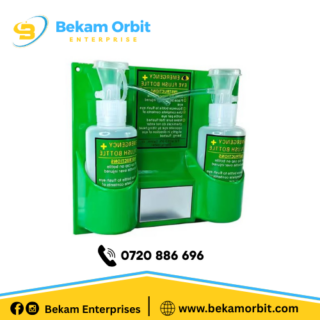 wall-mounted with 1000 ml bottles emergency eye wash station
KShs9,000.00
wall-mounted with 1000 ml bottles emergency eye wash station
KShs9,000.00
-
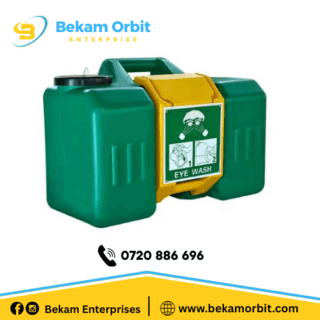 9-Gallon Gravity-Flow Portable Eye Wash Station
KShs17,000.00
9-Gallon Gravity-Flow Portable Eye Wash Station
KShs17,000.00
-
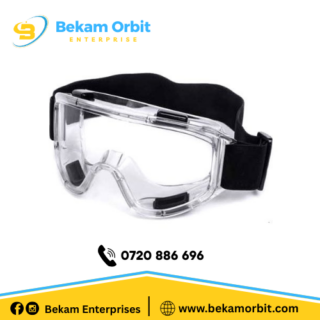 Lab Safety Goggles
KShs400.00
Lab Safety Goggles
KShs400.00
-
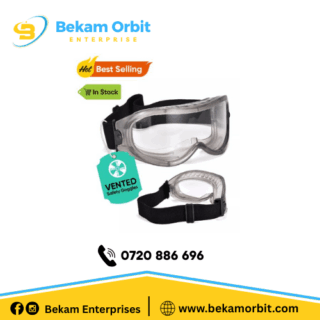 Over Glasses Safety Goggles
KShs700.00
Over Glasses Safety Goggles
KShs700.00
-
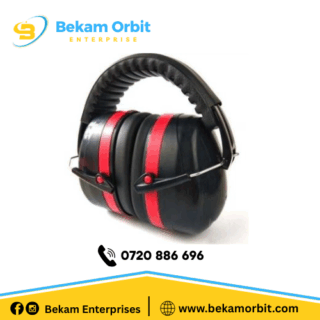 Safety Noise Cancelling Earmuffs
KShs1,300.00
Safety Noise Cancelling Earmuffs
KShs1,300.00
-
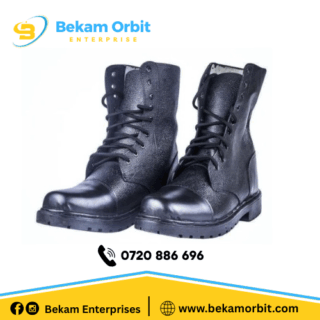 Askari Security Boots
KShs1,800.00
Askari Security Boots
KShs1,800.00
-
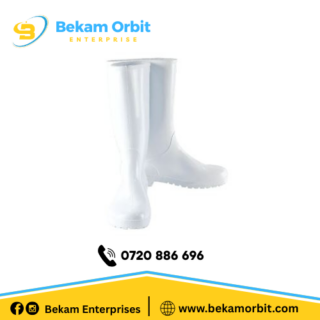 White light duty gumboots
KShs800.00
White light duty gumboots
KShs800.00
-
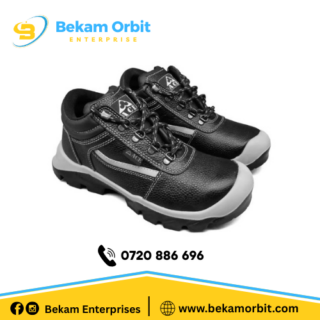 Ace Duma Safety Shoes
KShs3,100.00
Ace Duma Safety Shoes
KShs3,100.00