
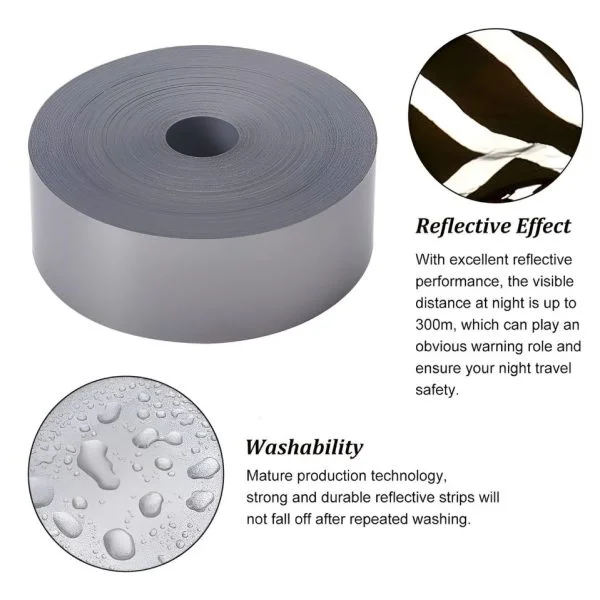
Reflective Tape for Clothing in Kenya (What It Is and Why It Matters)
Reflective “tape” on workwear is usually retroreflective trim—it reflects light back toward the source (like vehicle headlights), making the wearer “pop” in low light and at night. Many modern retroreflective materials use either glass-bead technology or microprismatic (cube-corner) technology. (ORAFOL)
In Kenya, you’ll hear people call hi-vis clothing “reflectors”—especially for roadside work, construction, logistics, night security, warehousing, and emergency response. But not all reflective tapes are equal. The right tape depends on:
- Distance + brightness needs
- Comfort (flexibility, breathability)
- How the garment is made (sew-on vs heat transfer)
- Laundry intensity
- Safety standard required
At Bekam, we’ve already made a strong quality choice: using EN ISO 20471-aligned reflective tapes for 180 GSM reflector vests, reflective overalls, and reflective cotton work shirts (hi-vis work shirts).
The 2 Main Reflective Technologies (Glass Bead vs Microprismatic)
Most clothing-grade reflective trims fall into these two “engines”:
1) Glass-bead retroreflective tape (common on workwear)
- Uses tiny glass beads to return light back toward drivers/operators.
- Usually softer and more textile-like, great for daily workwear.
2) Microprismatic (cube-corner) reflective tape (very bright)
- Uses microscopic prisms to reflect more light back.
- Often brighter at a distance, but can feel stiffer depending on construction.
Practical Kenya takeaway:
If the garment is worn for long hours (in hot sites or warehouses), comfort matters—many buyers prefer flexible trims. If the job is roadside/night traffic, higher brightness can be a priority.
Types of Reflective Tapes Used on Clothing (and What Each Is Best For)
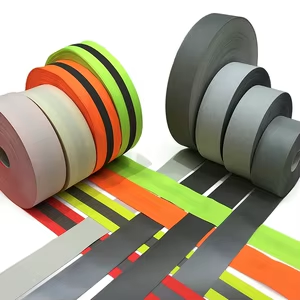
Here’s a clearer, buyer-friendly breakdown (this is the “meat” of the blog):
| Reflective tape type | What it is | Best for in Kenya | Buyer notes |
|---|---|---|---|
| Sew-on reflective tape (retroreflective trim) | Fabric-backed tape stitched onto garments | Reflector vests, overalls, jackets, and conti suits | Strong hold + good durability for workwear. |
| Heat-transfer / heat-seal reflective film | Retroreflective lenses bonded to heat-activated adhesive | Hi-vis polos, softshells, branding zones | Clean look; needs correct heat/pressure; check wash limits. |
| Segmented reflective tape | Tape cut into segments with gaps | Hot environments, stretch panels, breathable garments | Improves airflow and mobility; popular on modern hi-vis designs. (Comfort wins) |
| Industrial-wash reflective tape/film | Built for heavy washing + heat tunnel drying | Logistics uniforms, large teams, company-issued workwear | Ask the supplier about the industrial laundry performance. (Coats Group plc) |
| FR (flame-resistant) reflective tape | Retroreflective trim designed not to ignite/melt easily | Welding/flash-fire environments (FR coveralls) | Must match FR garment standard—don’t mix ordinary tape with FR wear. |
| Marine SOLAS reflective tape | Retroreflective tape for lifesaving appliances | Lifejackets, marine rainwear, offshore gear | Must meet IMO/SOLAS guidance; different from normal garment tape. (Law Resource) |
Reflective Tape Standards That Matter (Not Just EN ISO 20471)
The right reflective tape standard depends on your risk level and industry—whether you’re working on the roadside, in construction, warehousing, marine/offshore, or in FR environments.
1) EN ISO 20471 / ISO 20471 (professional high-risk workwear)
This is the most recognized global reference for professional high-visibility clothing. It defines Classes 1–3 based on minimum areas of background fluorescent and retroreflective/combined materials, as well as design/placement rules. (ISO)
Important buyer truth: compliance is usually about the finished garment (vest/overall/shirt), not just buying a roll of tape. The tape is a critical component, but certification is typically at the garment level.
2) ANSI/ISEA 107 (US hi-vis market)
If you supply multinational firms or US-linked procurement, ANSI/ISEA 107 is common. It categorizes garments by Type (use-case) and Class (coverage/performance).
3) CSA Z96 (Canada)
Canada’s hi-vis standard is widely referenced in safety guidance and procurement. (CCOHS)
Useful if you’re dealing with Canadian-owned projects or spec sheets.
4) EN 17353 (medium-risk visibility)
This standard covers enhanced visibility equipment for medium-risk situations and replaced older non-professional standards in many contexts.
Think: walking/commuting/low-speed environments where ISO 20471 might be overkill.
5) Australia / New Zealand: AS/NZS 4602.1 + AS/NZS 1906.4
- AS 4602.1 covers garment design for high-risk hi-vis applications. (Standards Australia)
- AS/NZS 1906.4 covers performance requirements for the materials used in hi-vis garments.
Useful when sourcing from AU/NZ suppliers or bidding for AU/NZ-linked contracts.
6) Rail industry (UK): RIS-3279-TOM
If you ever supply rail-linked PPE specs, RIS-3279-TOM is a rail-specific requirement (often used alongside EN ISO 20471). (RSSB)
7) Marine/offshore: SOLAS / IMO guidance
For lifejackets and lifesaving appliances, IMO has specific guidance (A.658(16)) and updated recommendations (MSC.481(102)).
8) FR / heat/firefighting environments (don’t ignore this)
If the garment is for heat/flame risk, visibility tape must be compatible with the protective system:
- ISO 11612 (heat & flame protective clothing) (ISO)
- NFPA 2112 (FR garments for flash fire protection) (NFPA)
- Firefighting ensembles may specify reflective trim design requirements (NFPA 1971 references)
Quick Standards Map (Use This to Guide Buyers)
| Work situation in Kenya | What to specify | Why |
|---|---|---|
| Road works, traffic marshals, night logistics | EN ISO 20471 / ISO 20471 | High-risk moving vehicle environments. |
| General site work (construction/warehouse) | EN ISO 20471 (often Class 2–3 depending on role) | Better conspicuity day/night. |
| Medium-risk visibility (walking/low-speed areas) | EN 17353 | Designed for medium risk, not full high-risk hi-vis. |
| Marine/offshore rescue gear | SOLAS / IMO guidance | Different performance + durability requirements. |
| Welding/flash-fire zones | ISO 11612 / NFPA 2112 + FR reflective trim | Ordinary reflective tape can fail under heat. |
| Testing/spec sheets | ASTM E810 (retroreflection test method) | Common lab method for retroreflective performance |
What We Use at Bekam
We use EN ISO 20471-compliant retroreflective tape in the hi-vis workwear we manufacture, so you get professional day-and-night visibility on Kenyan sites—whether you’re ordering 180gsm reflector vests, reflective overalls, or reflective cotton work shirts, all designed to meet real-world visibility expectations for site use.
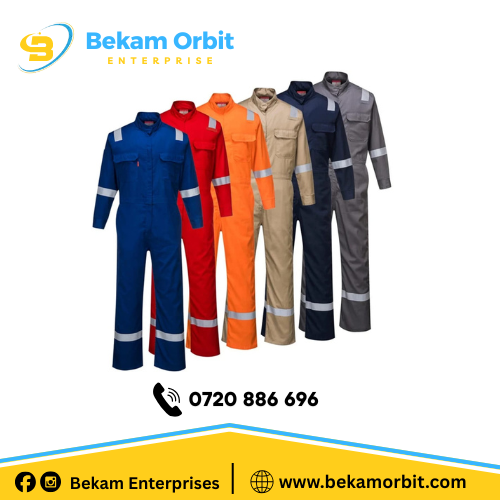
Choose the option that matches your job site needs (this is where you’ll get the right fit fast):
- Shop hi-vis vests: Browse Reflective Safety Vests in Kenya
- 180 GSM option: View the 180 GSM Black Executive Reflective Vest
- Overalls for site teams: Explore Reflective Safety Overalls in Nairobi & Kenya
- Full PPE category: See Body Protection Gear & PPE in Kenya
Buyer Checklist: How to Choose the Right Reflective Tape (or Reflector Garment)
- Ask the garment standard first (not just “reflective tape”).
For pro hi-vis, ask for EN ISO 20471 / ISO 20471 class on the label/certificate. - Match tape type to the garment construction.
Heat-transfer reflective films require proper application parameters; sew-on tapes require strong stitching. - Check laundry reality (Kenya workwear gets washed hard).
If it’s issued to teams, ask for industrial-wash performance tape/trim. - Hot sites? Consider comfort-focused trims.
Segmented tape helps airflow and movement (especially on modern workwear cuts). - Heat/flame risk? Don’t guess.
Specify FR reflective trim compatible with the protective clothing standard. - If it’s marine/offshore, insist on SOLAS/IMO tape.
Generic garment tape is not in the same category.
FAQs
1) What type of reflective tape is used on clothing?
Most clothing uses retroreflective trim, typically either glass-bead or microprismatic (cube-corner) technology.
2) Is EN ISO 20471 a reflective tape standard or a garment standard?
It’s primarily a high-visibility clothing standard (garment-level). Reflective tape performance matters, but compliance is usually assessed on the finished garment.
3) What’s the best standard for reflective workwear in Kenya?
For high-risk professional use (construction, roadside, logistics), EN ISO 20471 is widely recognized internationally.
4) What standard applies to medium-risk visibility clothing?
EN 17353 covers enhanced visibility equipment for medium-risk situations (not the same as pro hi-vis workwear).
5) Can reflective tape be used on welding or FR coveralls?
Only if it’s FR-rated reflective trim compatible with the garment’s protection standard (e.g., ISO 11612 or NFPA 2112 contexts).


Product Gallery
Featured Products
-
 wall-mounted with 1000 ml bottles emergency eye wash station
KShs9,000.00
wall-mounted with 1000 ml bottles emergency eye wash station
KShs9,000.00
-
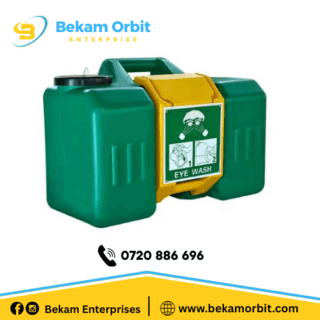 9-Gallon Gravity-Flow Portable Eye Wash Station
KShs17,000.00
9-Gallon Gravity-Flow Portable Eye Wash Station
KShs17,000.00
-
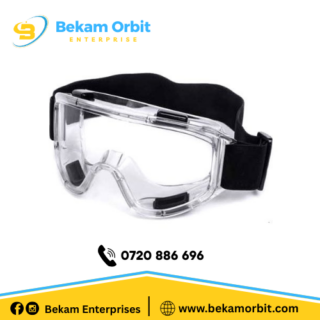 Lab Safety Goggles
KShs400.00
Lab Safety Goggles
KShs400.00
-
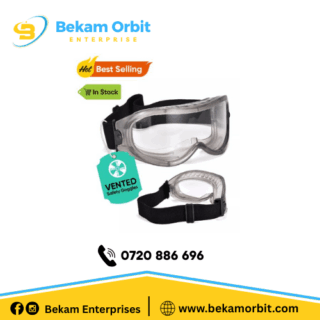 Over Glasses Safety Goggles
KShs700.00
Over Glasses Safety Goggles
KShs700.00
-
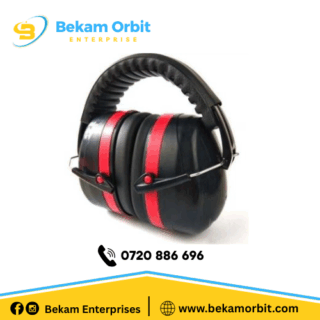 Safety Noise Cancelling Earmuffs
KShs1,300.00
Safety Noise Cancelling Earmuffs
KShs1,300.00
-
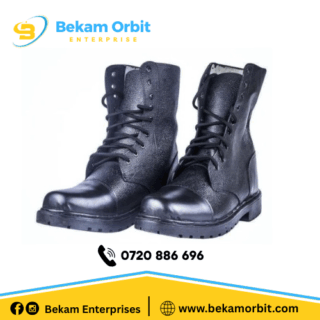 Askari Security Boots
KShs1,800.00
Askari Security Boots
KShs1,800.00
-
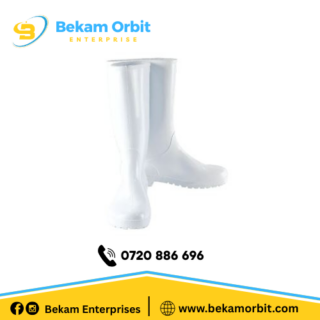 White light duty gumboots
KShs800.00
White light duty gumboots
KShs800.00
-
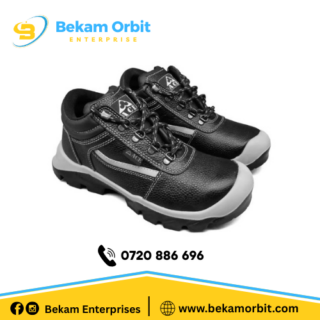 Ace Duma Safety Shoes
KShs3,100.00
Ace Duma Safety Shoes
KShs3,100.00




















Leave a Reply