
Respirators vs Masks in Kenya: The Complete Buyer’s Guide (N95, FFP2, KN95)
If you’ve ever stood in a Nairobi hardware aisle or scrolled online and wondered whether you need a mask or a respirator, you’re not alone. In everyday speech, we call everything a “mask,” but in safety language, there’s a sharp difference. This buyer’s guide breaks down the options for Kenyan workplaces and households, covering N95, FFP2/FFP3, KN95, valved vs non-valved, proper fit, filter types, and how to spot genuine products, so you or your team can choose confidently.
Quick Summary: Respirators vs Masks in Kenya
-
Masks (surgical/cloth): Loose-fitting coverings mainly for source control—they protect others from your droplets. Most do not carry safety ratings like NIOSH or EN.
-
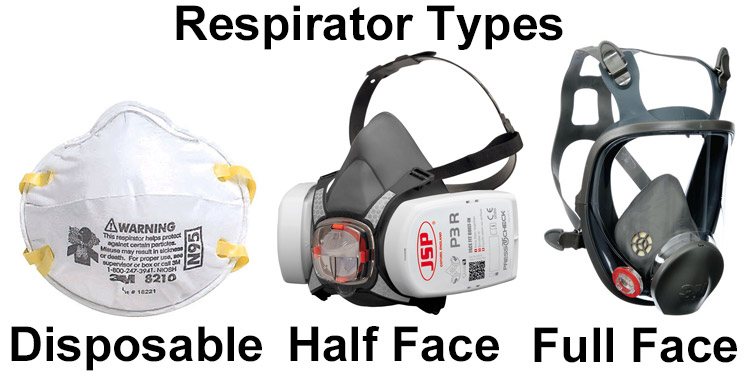
Respirators (N95/FFP2/KN95, etc.): Tight-sealing devices designed to protect the wearer by filtering inhaled air when worn correctly. Available as disposable filtering facepieces, half-face, and full-face models.
-
Valved vs non-valved: Valved respirators are easier to breathe out through (suitable for dusty worksites), but do not filter exhaled air; non-valved models filter in both directions and are preferred in healthcare or when protecting people around you matters.
For a deeper technical overview, see the NIOSH guidance on filtering facepiece respirators via the Centers for Disease Control and Prevention and the European EN 149 standard maintained by CEN (both widely referenced in safety procurement).
N95, FFP2/FFP3, P2/P3 & KN95—What the Ratings Mean
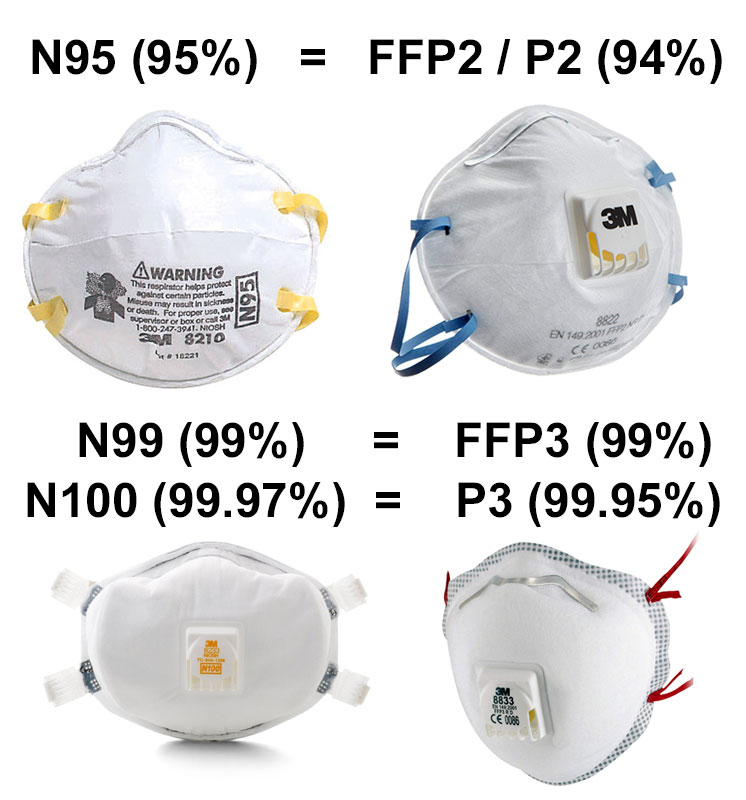
Different regions use different standards, but they aim to describe the minimum filtration at the tricky 0.3 µm particle size. Here’s a quick, Kenya-ready comparison:
| Standard | Region/Body | Minimum Filtration (0.3 µm) | Typical Notes |
|---|---|---|---|
| FFP1 / P1 | EN 149 / EN 143 (EU) | ≥ 80% | Light, non-toxic dusts |
| FFP2 / P2 | EN 149 / EN 143 (EU) | ≥ 94% | Often considered equivalent to the N95 |
| N95 | NIOSH (USA) | ≥ 95% | Healthcare & construction benchmark |
| N99 / FFP3 | NIOSH / EN 149 | ≥ 99% | Higher protection; more breathing resistance |
| P3 | EN 143 (EU) | ≥ 99.95% | Very high particulate protection |
| N100 | NIOSH (USA) | ≥ 99.97% | Highest filtering facepiece rating |
Rule of thumb: N95 ≈ FFP2/P2; N100 ≈ P3 (FFP3 sits close behind P3 for filtration).
Kenya takeaway: For most dusty worksites (construction, carpentry, general industry), N95 or FFP2 is the minimum recommended level. For heavy dust loads or extended exposure, step up to FFP3/P3 or move to reusable half-face/full-face respirators with P3 filters.
KN95 vs N95—Where They Align (and Where They Don’t)
On paper, KN95 (Chinese standard GB 2626-2019) targets similar performance to N95/FFP2. Many reputable manufacturers produce quality KN95s, but there are two practical caveats Kenyan buyers should note:
-
Strap style affects the seal. Many KN95s use ear loops, which are quick to wear but can compromise the seal on some faces. Headband straps tend to deliver a more consistent seal, which is vital if you’re buying for a team.
-
Markings matter. Look for GB 2626-2019 on KN95s; NIOSH approval (with a TC#) on N95s; and for FFP2/FFP3, EN 149:2001 + A1:2009 class markings plus a CE number. Packaging should clearly state the manufacturer, model, and lot/batch details.
When policy or client sites specify N95 or FFP2 only, confirm whether KN95 is acceptable before buying.
Valved vs Non-Valved—Which One for Your Task?
-
Valved respirator (cooler to wear): The exhalation valve reduces moisture and heat inside the cup. It’s ideal for construction, woodworking, agriculture, and DIY projects, where protecting yourself from dust is a primary concern.
-
Non-valved respirator (two-way filtration): Filters both inhaled and exhaled air—preferred for healthcare, labs, food processing, or close quarters where protecting others also matters.
Site policy wins: If in doubt, check the site or client policy (especially for healthcare and food production). Many require non-valved respirators.
Fit, Seal & Comfort—How to Get Real Protection in Kenyan Conditions
No matter how high the rating, a respirator that doesn’t seal to your face will not give the protection printed on the box. Focus on:
-
Model & size: Faces vary; one model may seal perfectly for one person but leak for another.
-
Headbands vs ear loops: Headbands generally provide better sealing than ear loops.
-
User seal check (every wear):
-
Put on and position the straps.
-
Mould the nose clip firmly.
-
Inhale sharply—the cup should collapse slightly.
-
Exhale—feel for leaks around the nose and cheeks; adjust if needed.
-
-
Facial hair, such as beards and stubble, can break the seal in the seal area.
-
Heat & humidity (Nairobi/Mombasa): Rotate spares, store in a dry pouch between tasks, and never share. Replace if soiled, wet, damaged, or if breathing becomes hard.
If you manage teams, consider fit testing and basic training on user seal checks. It’s a small investment that pays off in real-world protection.
Use-Case Guide for Kenya: Who Should Wear What?
Healthcare & Clinics
-
Minimum: N95/FFP2 and non-valved.
-
Replace after soiling, moisture exposure, or when breathing resistance increases.
-
Train staff to don/doff safely; plan stock rotation for busy clinics.
Construction & Civil Works
-
Silica dust, cement, sanding, grinding, demolition: N95/FFP2 minimum; FFP3/P3 or half-face with P3 filters for heavy dust or all-day tasks.
-
For solvents, paints, and adhesives, particulate filters alone are not enough.
Agriculture, Light Industry & Workshops
-
Dust, sweeping, chaff: N95/FFP2 works well when properly sealed.
-
Agro-chemicals & solvents: Use gas/vapour cartridges (A1/A2 or ABEK) or combination filters (e.g., A2P3) matched to the SDS of the product.
Everyday Nairobi Commuting & Travel
-
For smoky or high-pollution days, a well-fitted N95/FFP2/KN95 helps—fit is everything.
When Particulate-Only Isn’t Enough: Gas & Vapour Protection
Particulate filters (P2/P3/N95/N100) are great for dusts, mists, and smoke. If you’re working with solvents, paints, resins, pesticides, or any process that emits vapours, you need:
-
Gas/vapour cartridges:
-
A (brown): Organic vapours (solvents, paints).
-
B (grey): Inorganic gases.
-
E (yellow): Acid gases.
-
K (green): Ammonia compounds.
-
ABEK: Multi-gas protection.
-
-
Combination cartridges (e.g., A2P3): Gas/vapour + particulates.
Always match the filter to the hazard—check the Safety Data Sheet (SDS) of your product. If in doubt, ask a safety specialist.
Shelf Life, Storage & Stock Rotation (Built for Kenya)
-
Check expiry dates—many disposable respirators have a 3–5-year shelf life if stored correctly.
-
Store in a cool, dry place, away from direct sunlight and vehicle dashboards.
-
Use first-in, first-out rotation, especially in humid counties.
-
Keep spare respirators in clean pouches; once the inside gets dirty or wet, replace.
Respirators vs Masks in Kenya and their Pricing in Nairobi—What Drives Cost?
-
Protection class: FFP3/P3/N100 cost more than N95/FFP2.
-
Valve & strap quality: Valved models and robust headbands may incur additional costs.
-
Brand & certification: Genuine NIOSH, EN, or GB markings add assurance—and often price.
-
Reusable systems: Although half-face or full-face respirators cost more upfront, they can save money through replaceable filters, especially for frequent users.
-
Bulk buying: Teams and contractors can reduce unit cost with volume orders.
How to Spot Genuine Products (and Avoid Counterfeits)
-
Markings to check:
-
N95: NIOSH name/logo and TC approval number.
-
FFP2/FFP3: EN 149:2001 + A1:2009, class (FFP2/FFP3), CE number, manufacturer/model.
-
KN95: GB 2626-2019 and manufacturer/model.
-
-
Packaging: Clearly display the manufacturer name, model, lot/batch code, and instructions.
-
Seller reputation: Prefer established suppliers and request documentation as needed.
-
Red flags: Typos, vague descriptions, “N95-style” claims, lack of standard, or inconsistent printing.
Where to Buy in Kenya (Trusted Local Support)
-
Explore our curated range of Air-Purifying Respirators—from N95/FFP2/KN95 disposables to half-face/full-face respirators and filters—on Bekam Orbit: Air-Purifying Respirators.
-
Kitting a site crew? Pair respiratory protection with Safety Boots & Gumboots and Cotton Twill Cargo Overalls to upgrade site safety end-to-end: Safety Boots & Gumboots, Cotton Twill Cargo Overalls.
-
Need help choosing filters, sizing for diverse face shapes, or bulk quotations with same-day Nairobi delivery? Reach us here: Contact Us.
FAQs
1) Is KN95 accepted where N95/FFP2 is required in Kenya?
Often yes, but it depends on the institution or site policy. Many workplaces accept well-marked GB 2626-2019 KN95, while some clinical or regulated sites insist on NIOSH-approved N95 or EN-certified FFP2.
2) Can I wear a valved respirator in clinics or around patients?
Generally no. Valves don’t filter exhaled air. Use non-valved in clinical settings or when protecting others is essential.
3) How often should I replace a disposable respirator in Nairobi dust?
Replace when soiled, wet, damaged, or breathing becomes hard. For daily site work, many users swap daily.
4) Do I need fit testing for my team?
Strongly recommended. A short session improves real-world protection and compliance, especially for healthcare and construction crews.
5) What’s the step-up from N95/FFP2 for heavy dust?
Move to FFP3/P3 or to half-face elastomeric respirators with P3 filters. For chemical vapours or strong odours, add gas/vapour or combination cartridges.
Final Word (and How We Can Help)
When selecting N95, FFP2, FFP3/P3, or KN95 in Kenya, prioritize verified markings, a proper seal, and the correct filter type for your specific hazard. If vapours are involved (paints, solvents, agro-chemicals), upgrade to gas/vapour or combination cartridges. For busy crews, consider reusable half-face/full-face systems with P3 filters to boost protection and lower total cost.
Please browse our current selection here: Air-Purifying Respirators. For personalized recommendations or bulk quotes, talk to us today: Contact Us.


Product Gallery
Featured Products
-
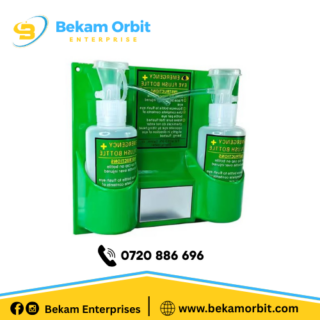 wall-mounted with 1000 ml bottles emergency eye wash station
KShs9,000.00
wall-mounted with 1000 ml bottles emergency eye wash station
KShs9,000.00
-
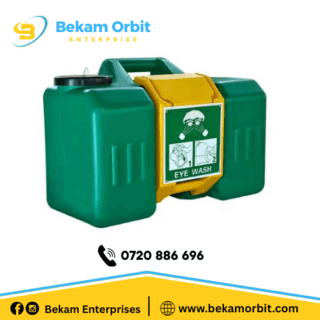 9-Gallon Gravity-Flow Portable Eye Wash Station
KShs17,000.00
9-Gallon Gravity-Flow Portable Eye Wash Station
KShs17,000.00
-
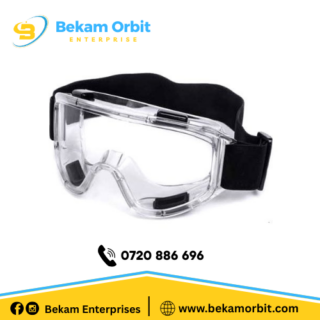 Lab Safety Goggles
KShs400.00
Lab Safety Goggles
KShs400.00
-
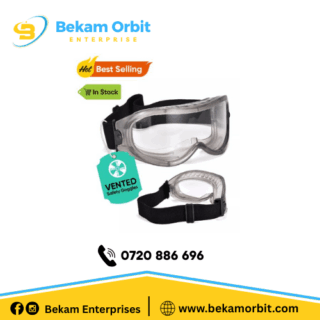 Over Glasses Safety Goggles
KShs700.00
Over Glasses Safety Goggles
KShs700.00
-
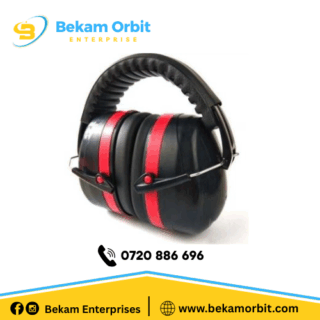 Safety Noise Cancelling Earmuffs
KShs1,300.00
Safety Noise Cancelling Earmuffs
KShs1,300.00
-
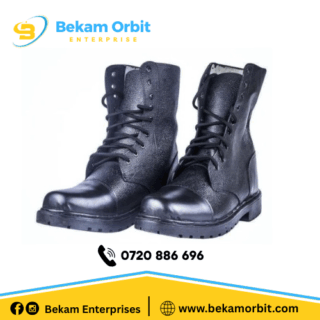 Askari Security Boots
KShs1,800.00
Askari Security Boots
KShs1,800.00
-
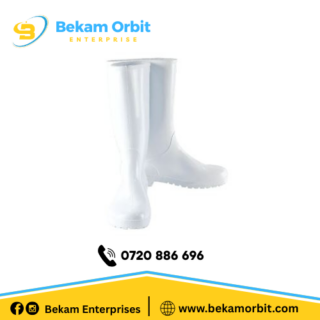 White light duty gumboots
KShs800.00
White light duty gumboots
KShs800.00
-
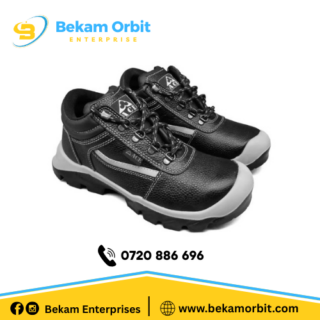 Ace Duma Safety Shoes
KShs3,100.00
Ace Duma Safety Shoes
KShs3,100.00