
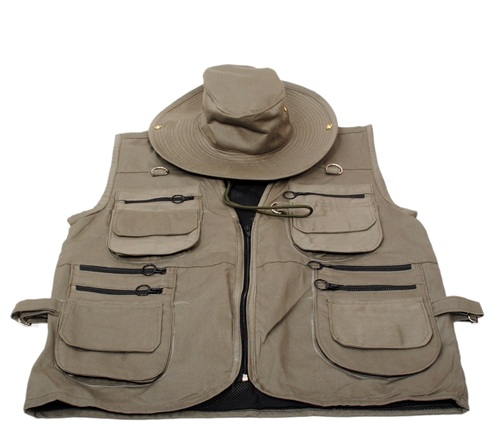
What is a safari jacket (and why do Kenyans call it a “mission jacket”)?
A safari jacket—also called a bush jacket—is typically a lightweight, hip-length jacket with multiple pockets (often four) and often a belt/waist adjustment for shape and practicality.
In the Kenyan market, you’ll often hear the same style described as:
-
Mission jacket (field staff, supervisors, outdoors, security, riders)
-
Safari Jackets (tour guides, drivers, travel, outdoor lifestyle)
-
Utility / tactical safari jacket (more pockets, zips, rugged trims)
The reason the style survives across decades is simple: it’s designed for movement, storage, and long days—first for outdoor expeditions and practical wear, and now for everyday work + corporate utility fashion.
Incorporating Safari Jackets into your wardrobe can enhance your outdoor experience while providing functionality and style.
The classic safari jacket features that still matter today
Borrowing from traditional safari/bush-jacket design and modern styling guides, here’s what makes a safari jacket actually useful:
-
Multi-pocket layout (the “carry everything” advantage)
Safari jackets are known for practical pockets—often roomy front pockets with flaps/buttons for quick access and secure storage. -
Lightweight but durable fabric
Historically, safari jackets were commonly made in light cotton drill/khaki fabrics for breathability in warm climates, and today you’ll see multiple fabric options depending on structure and weather. -
Waist shaping (belt or side adjusters)
That waist control isn’t just “fashion”—it improves comfort, reduces wind flapping, and helps the jacket sit neatly for uniform use. -
Easy styling: casual → corporate smart-casual
A safari jacket can be worn casually (tee + jeans) or dressed up (button-down + chinos), which is exactly why it works for corporate teams that need a uniform that doesn’t feel like a “costume.”
Why we use twill material for mission/safari jackets
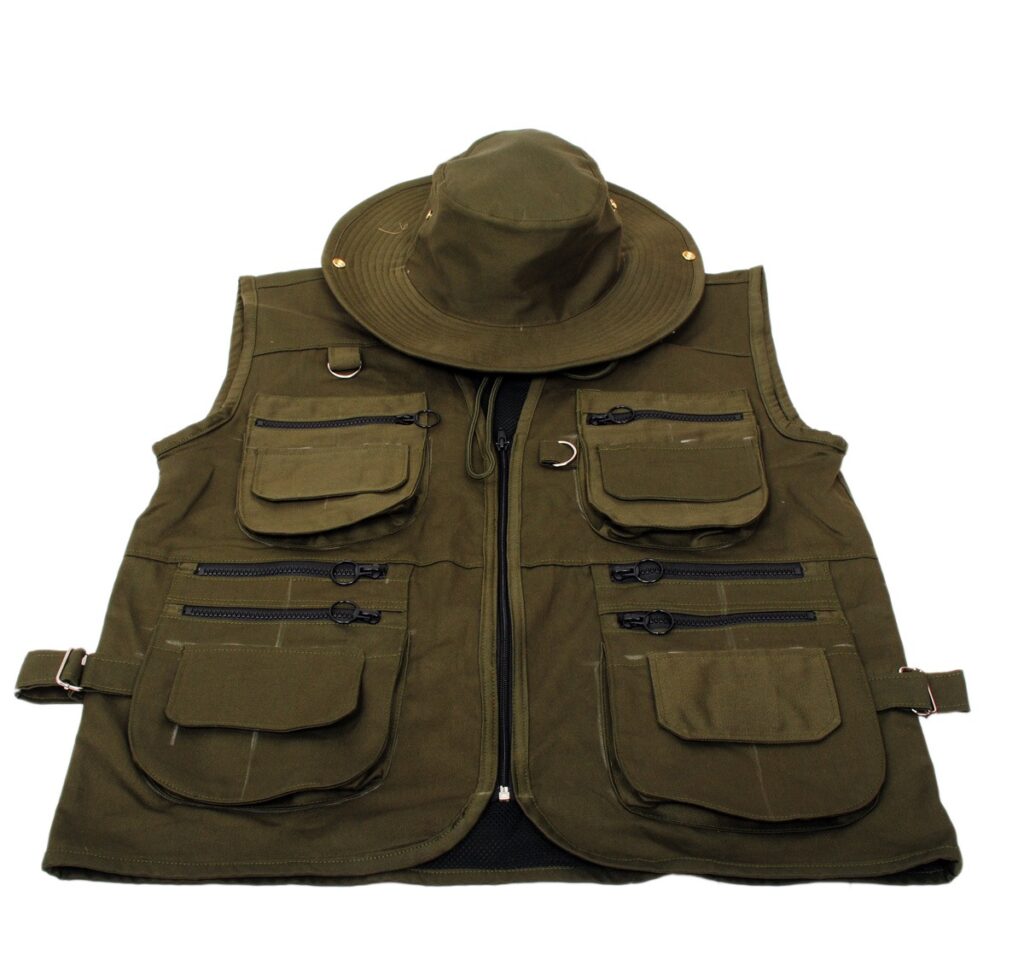
At Bekam Orbit Enterprise, we often make mission/safari jackets using twill because it hits the sweet spot for Kenyan conditions: durability, neat structure, and easy care.
8 practical advantages of twill for safari jackets in Kenya
-
Built for abrasion and daily wear
Twill’s diagonal weave gives it a reputation for high durability—ideal for fieldwork, site movements, and repeated washing. -
Wrinkle resistance (looks professional longer)
Twill naturally resists creasing better than many plain weaves—important when your team needs to look sharp from morning to evening. -
Hides dust and light stains better
That twill texture helps “mask” minor dirt marks—very practical for Kenyan outdoor work, errands, and travel days. (Canvas ETC) -
Great drape and structure
Twill holds a clean silhouette—so the jacket doesn’t look flimsy, and pockets sit better. -
Strong stitching support (pockets, zips, reinforcements)
Mission jackets rely on pockets, seams, and stress points. Twill handles heavier stitching and reinforcements well (especially around pocket corners and shoulder areas). -
Comfort balance for Kenyan weather
Depending on the twill blend (cotton, polycotton, or polyester twill), you can tune for breathability, faster drying, and lower maintenance—useful for hot days, sudden drizzle, and frequent washing cycles. -
Branding-friendly surface
Twill takes embroidery and printing well, which is why it’s common in uniforms and workwear. -
Color stability and uniform consistency
Good twill fabrics hold color well, making it easier to keep a team looking uniform over time.
Want the deeper fabric breakdown? Read: Why twill fabric is our go-to for workwear in Kenya.
Plain safari jackets vs kitenge-accent safari jackets (corporate-friendly)
You can go plain for a clean, universal uniform—or add kitenge accents to create identity without overdoing it.
Option A: Plain safari/mission jackets (most popular for teams)
Best for:
-
Security supervisors & guards (smart utility look)
-
Site supervisors, drivers, warehouse teams
-
Delivery/field teams that need pockets + durability
Style tip: keep colors in khaki, olive, beige, navy, and black, depending on role and brand.
Option B: Kitenge accents that match your corporate color theme
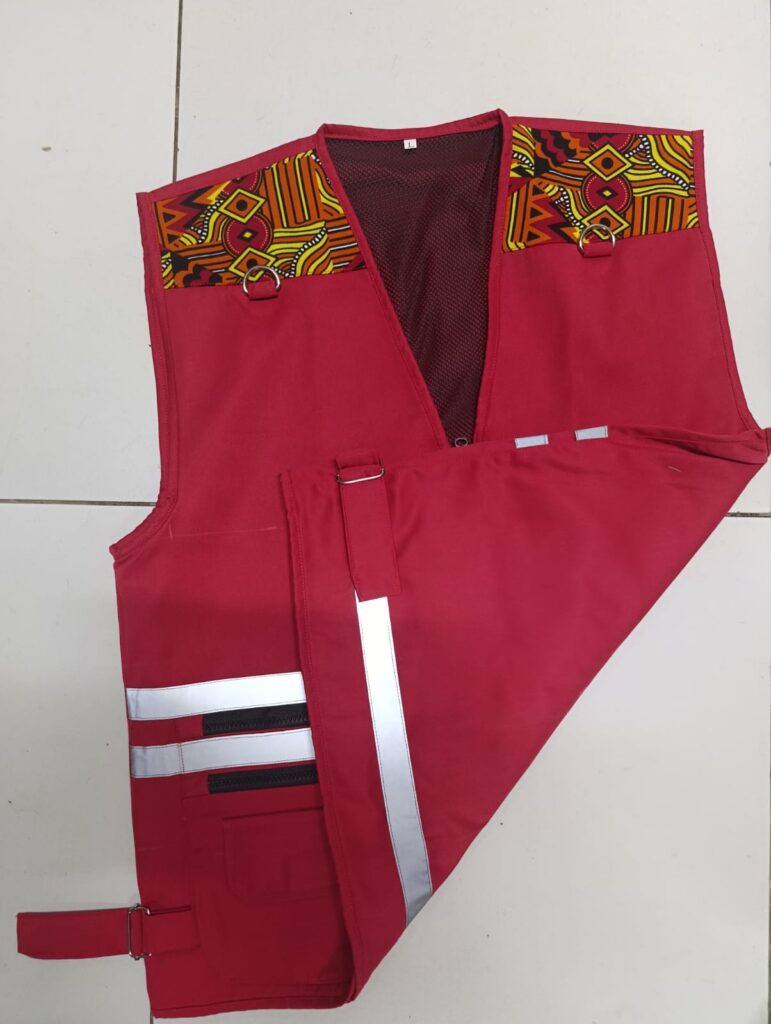
Instead of making the whole jacket in loud print, the best corporate approach is controlled kitenge placement, for example:
-
Inner collar + inner cuff lining
-
Pocket flaps (one or two pockets only)
-
Inner placket (a subtle “reveal” when unzipped/unbuttoned)
-
Shoulder piping or small trim panels
Kitenge is known for bold patterns and a strong sense of identity—perfect for teams that want to look premium and distinctly Kenyan.
Learn how to choose quality prints and care for them here: Kitenge fabric in Kenya: types, quality tips & care.
How to choose the right safari jacket in Kenya
Most people buy based on looks. Better results come from choosing based on use-case:
1) Pockets: how many, and how secure?
Safari jackets are pocket-driven. Think about:
-
Zipped pockets for phones, wallets, IDs
-
Velcro/flap pockets for quick-access tools
-
Inner pocket for documents
Pockets are a defining feature of the safari jacket, historically and today.
2) Fabric weight + lining
Where will it be worn most?
-
Hot daytime fieldwork → lighter twill, unlined
-
Early morning/evening chill (Naivasha, Narok, higher altitudes) → slightly heavier twill or light lining
Season/climate affects fabric choice.
3) Color choice for real safari conditions (not just fashion)
If the jacket will be used for actual safaris/game drives:
-
Neutral tones (khaki/tan/beige/olive) help you blend in
-
Some safari guides advise avoiding very bright colors and dark or blue shades because they can attract certain insects in some regions.
(If it’s purely a corporate uniform in Nairobi, choose colors based on brand, role, and heat absorption—black looks sharp but runs hotter in direct sun.)
4) Fit and mobility
A mission jacket should allow:
-
Easy arm movement (driving, lifting, field walking)
-
Comfortable layering (light sweater underneath if needed)
Fit and mobility are recurring priorities in modern safari jacket guides.
Best uses for safari jackets in Kenya
Safari jackets in Kenya aren’t only for tourists. They’re a uniform workhorse:
-
Tour drivers & guides (identity + storage + easy layering)
-
Corporate field teams (branding + durable daily wear)
-
Photographers & media crews (pockets for batteries, cards, small gear)
-
Security supervisors & site coordinators (professional utility look)
-
NGO/outreach teams (smart-casual uniform with branding)
FAQs: Safari jackets in Kenya
1) Are mission jackets and safari jackets the same thing?
In Kenya, the terms overlap. “Mission jacket” usually implies a tougher, uniform-style utility jacket; “safari jacket” can be the same design but marketed for outdoor/safari wear.
2) What material is best for safari jackets in Kenya?
For uniformity and field durability, twill is a top option because it’s strong, maintains its structure, and resists wrinkles.
3) How many pockets should a good safari jacket have?
Four is classic, but modern mission jackets often add more—just ensure at least 2–4 pockets are secure (zippered or flapped) for daily work carry.
4) What colors are best for safari jackets?
For safari/outdoor blending: khaki, tan, beige, olive. Bright colors can stand out; some travel guides also advise avoiding dark/blue shades in certain areas because insects are attracted to them.
5) Can you brand safari jackets with a logo?
Yes—twill is particularly suitable for embroidery/printing on corporate uniforms.
6) How do kitenge accents work on corporate jackets?
Use kitenge as trims (collar/cuffs/pocket flaps) so it complements corporate colors without overpowering the uniform. Kitenge is a bold printed fabric widely used in Kenya.


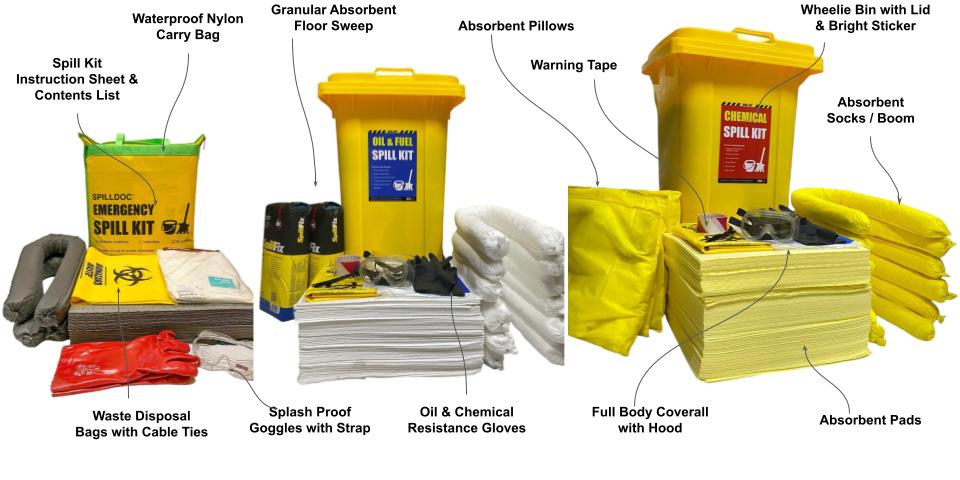
Product Gallery
Featured Products
-
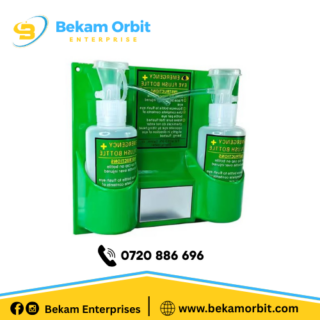 wall-mounted with 1000 ml bottles emergency eye wash station
KShs9,000.00
wall-mounted with 1000 ml bottles emergency eye wash station
KShs9,000.00
-
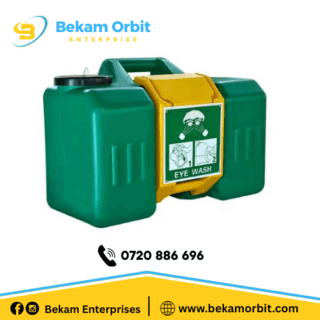 9-Gallon Gravity-Flow Portable Eye Wash Station
KShs17,000.00
9-Gallon Gravity-Flow Portable Eye Wash Station
KShs17,000.00
-
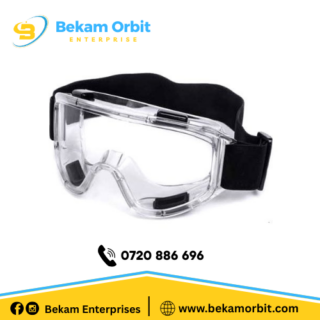 Lab Safety Goggles
KShs400.00
Lab Safety Goggles
KShs400.00
-
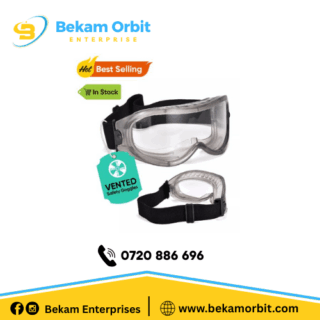 Over Glasses Safety Goggles
KShs700.00
Over Glasses Safety Goggles
KShs700.00
-
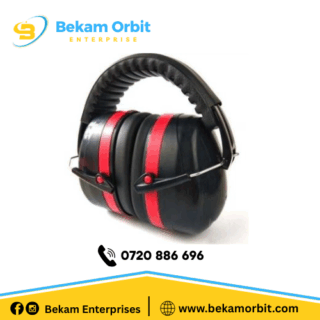 Safety Noise Cancelling Earmuffs
KShs1,300.00
Safety Noise Cancelling Earmuffs
KShs1,300.00
-
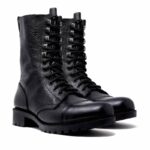
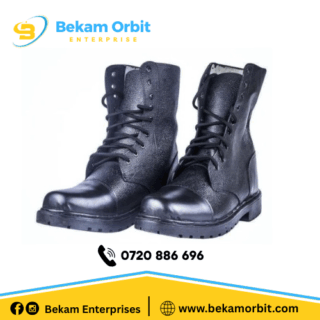 Askari Security Boots
KShs1,800.00
Askari Security Boots
KShs1,800.00
-
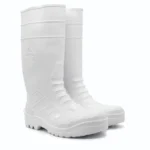
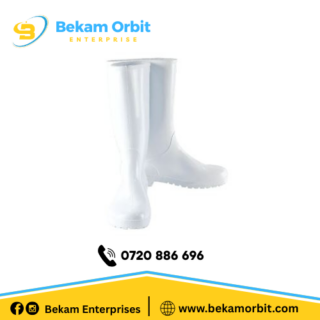 White light duty gumboots
KShs800.00
White light duty gumboots
KShs800.00
-
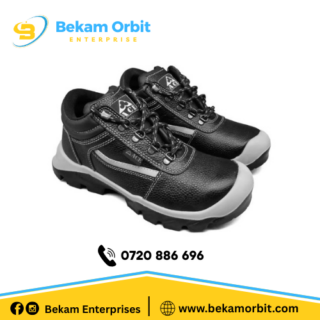 Ace Duma Safety Shoes
KShs3,100.00
Ace Duma Safety Shoes
KShs3,100.00














Leave a Reply