Recently Viewed Products
-
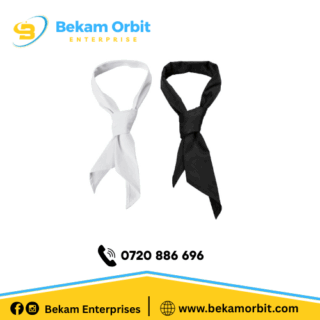 Stylish Chef Neck Scarf for Kitchens in Nairobi, Kenya
KShs250.00
Stylish Chef Neck Scarf for Kitchens in Nairobi, Kenya
KShs250.00
-
 Unisex Polycotton Bib Apron Nairobi
KShs450.00
Unisex Polycotton Bib Apron Nairobi
KShs450.00
-
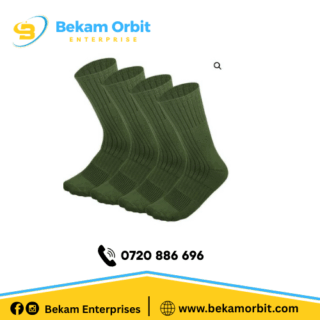 security officers' socks
KShs480.00
security officers' socks
KShs480.00
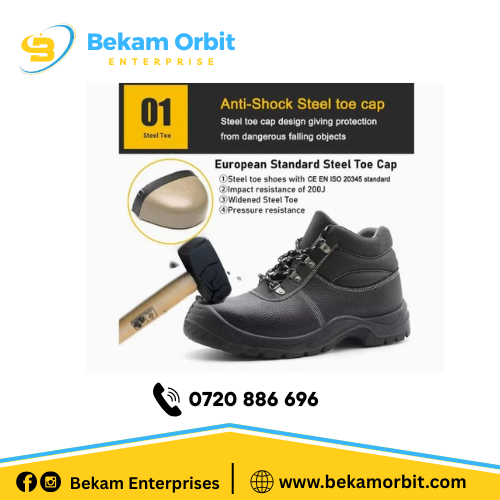
SAFETY SHOES CLASSIFICATIONS: A Complete Guide for Kenyan Workplaces
Safety shoes classifications are a critical part of workplace safety, no matter your industry. From construction sites to warehouses, agriculture to chemical plants, wearing the right protective footwear means fewer accidents, higher productivity, and compliance with Kenya’s occupational safety laws.
In this comprehensive guide, you’ll learn what each safety footwear class means under the EN ISO 20345 standard, what to look for in quality safety boots, and where to buy the best S3 safety boots in Nairobi. By understanding these classifications, you’ll make smarter buying decisions — and keep your workers protected every day.
Safety Footwear Classifications & Requirements

Safety footwear is not “one size fits all.” Each class offers specific protection levels against hazards like impact, water, punctures, electricity, and slippery floors. Here’s a clear breakdown of the safety shoes classifications under the globally recognised EN ISO 20345:
| Classification | Key Features | Best For |
|---|---|---|
| SB | Basic toe protection (200 joules) | Light-duty indoor work |
| S1 | SB plus antistatic, energy-absorbing heel | Warehouses, dry factories |
| S1P | S1 plus puncture-resistant midsole | Warehouses with sharp debris |
| S2 | S1 plus water-resistant upper | Damp indoor/outdoor areas |
| S3 | S2 plus cleated sole, midsole puncture resistance | Construction, heavy industry |
| S4 | Polymer/rubber version of S1; fully waterproof | Agriculture, food industry |
| S5 | S4 plus midsole puncture resistance | Wet, rugged conditions like farming or sewage works |
To learn more about these standards, visit the ISO website for official certification information.
What Are Safety Shoes Made Of and Why?
A key reason safety boots are reliable is their smart use of modern materials:
- Leather or Microfiber Uppers: Durable yet flexible; allow breathability and water resistance.
- Polyurethane or Rubber Outsoles: Non-slip, oil-resistant, and abrasion-resistant for various terrains.
- Steel, Aluminium, or Composite Toecaps: Meet the 200-joule impact standard while remaining lightweight.
- Penetration-Resistant Midsoles: A Steel plate or Kevlar textile prevents nails and sharp objects from piercing the sole.
- Shock Absorbing Heels & Anti-static Features: Reduce fatigue and protect against static build-up.
Premium brands like Safety Jogger Bestboy, Ace Safety Shoes, and Safetoe Safety Shoes utilize advanced materials to ensure workers stay protected and comfortable throughout the day.
Where Do You Need to Wear Protective Footwear?
Different jobs have unique risks, and the wrong shoe can cost you dearly in lost time, compensation claims, or legal fines. Here’s when and where the main safety shoes classifications matter most in Kenya:
- Construction Sites: Always pick at least S3 or S5. You need maximum toe, slip, puncture, and water protection.
- Warehousing & Logistics: S1 or S1P works well. Look for anti-static soles and perforation resistance.
- Farming & Agriculture: Choose S4 or S5 gumboots. Kenya’s rainy seasons make waterproof boots non-negotiable.
- Chemical Plants & Food Processing: Fully waterproof, slip-resistant polymer boots (S4/S5) protect from spills and chemicals.
Always conduct a hazard assessment with your team to match footwear to actual site conditions, not just price.
Slip Resistance: Understanding SRA, SRB & SRC Ratings
Slips cause many injuries and falls, rather than falling objects. That’s why slip resistance is a must:
- SRA: Safe on ceramic tiles with soapy water.
- SRB: Safe on steel floors with glycerol.
- SRC: Combines both; the highest slip-resistance you can get.
For high-risk areas such as kitchens, wet processing plants, or oily workshops, always purchase SRC-rated soles.
Where to Buy S3 Safety Boots in Nairobi
Looking for genuine, durable S3 safety boots in Nairobi? At Bekam Orbit Enterprise, we stock the top brands trusted by professionals across Kenya:
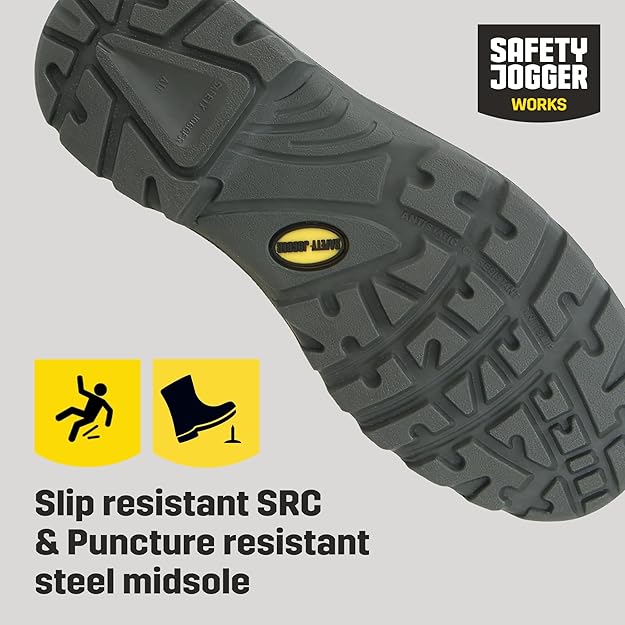
✅ Safety Jogger Bestboy — versatile S3 boots with water-resistant leather, steel toe, and puncture-proof midsole.
✅ Ace Safety Shoes — robust construction boots with cleated outsoles for rough terrain and maximum slip resistance.
✅ Safetoe Safety Shoes — lightweight but strong, ideal for everyday site wear.
We also carry S4 and S5 gumboots, perfect for farming, food production, and wet conditions. Explore our safety boots category online — or call us for bulk orders and delivery anywhere in Kenya.
Caring for Your Safety Footwear: Simple Tips
A good pair of safety boots is an investment. To make them last:
- Clean off dirt and chemicals daily with a soft brush or a damp cloth.
- Air dry naturally — avoid direct sunlight or heaters.
- Replace insoles regularly for comfort and hygiene.
- Inspect the sole and toe cap often; replace boots with worn-out treads or compromised safety features.
Proper care ensures boots remain compliant with their safety shoes classification, ensuring they perform when you need them most.
FAQs about Safety Shoes Classifications
Q1: Can I wear S1 safety shoes on a construction site?
It’s not recommended. For construction, always choose S3 or higher for puncture resistance and a cleated outsole.
Q2: What’s the difference between S4 and S5 gumboots?
Both are waterproof. S5 gumboots add a midsole plate for puncture protection — essential in rough or debris-heavy environments.
Q3: How often should I replace my safety boots?
Replace them every 6–12 months, depending on usage and wear. Frequent inspections are best practice.
Q4: Are all safety shoes slip-resistant?
No — check for SRC slip rating for maximum slip protection. Lower classes may not have high slip resistance.
Q5: Where can I find certified safety boots in Kenya?
Order directly from Bekam Orbit Enterprise. We deliver authentic, certified safety boots and gumboots nationwide.
Final Thoughts: Choose Smart, Stay Safe
Selecting the right safety shoes involves striking a balance between protection, comfort, and compliance. Whether you’re in heavy construction, farming, or warehousing, never compromise on the quality and fit of your work boots.
Browse our extensive range of certified safety shoes and boots in Nairobi here. Need help choosing the right pair? Contact our safety footwear experts today for a free consultation.
Ready to upgrade your workplace safety?
Visit Bekam Orbit Enterprise today for the best prices on trusted brands like Safety Jogger, Ace, and Safetoe — and protect your team with the right safety shoes classifications for every job.


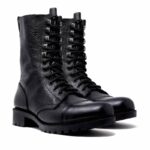
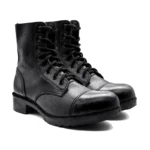
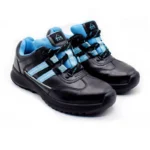
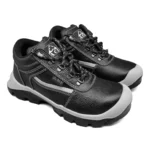
Product Gallery
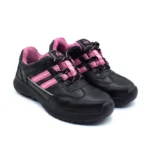
Featured Products
-
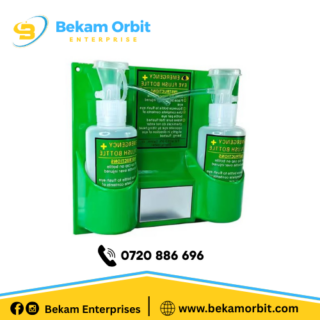 wall-mounted with 1000 ml bottles emergency eye wash station
KShs9,000.00
wall-mounted with 1000 ml bottles emergency eye wash station
KShs9,000.00
-
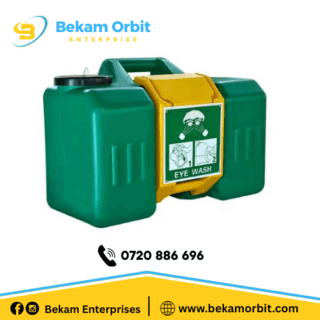 9-Gallon Gravity-Flow Portable Eye Wash Station
KShs17,000.00
9-Gallon Gravity-Flow Portable Eye Wash Station
KShs17,000.00
-
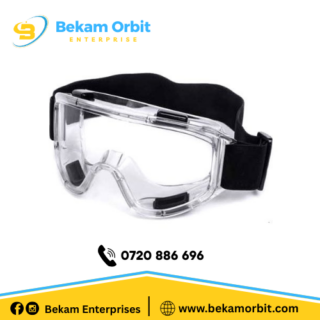 Lab Safety Goggles
KShs400.00
Lab Safety Goggles
KShs400.00
-
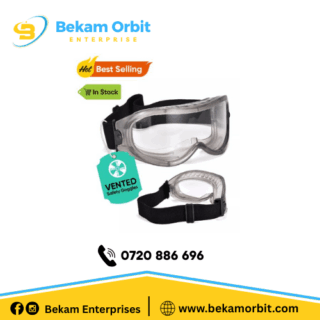 Over Glasses Safety Goggles
KShs700.00
Over Glasses Safety Goggles
KShs700.00
-
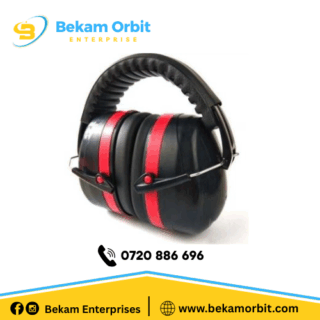 Safety Noise Cancelling Earmuffs
KShs1,300.00
Safety Noise Cancelling Earmuffs
KShs1,300.00
-
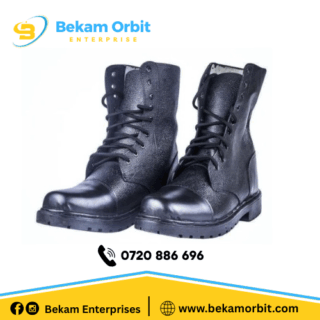 Askari Security Boots
KShs1,800.00
Askari Security Boots
KShs1,800.00
-
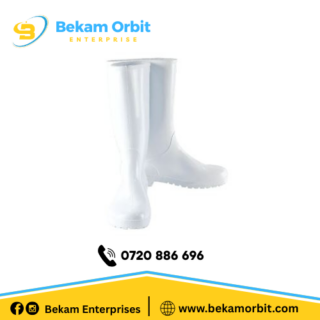 White light duty gumboots
KShs800.00
White light duty gumboots
KShs800.00
-
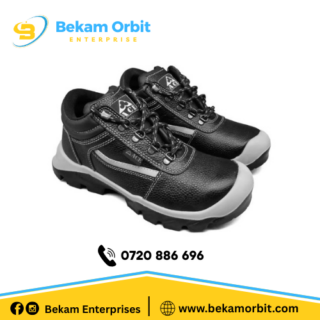 Ace Duma Safety Shoes
KShs3,100.00
Ace Duma Safety Shoes
KShs3,100.00