
Types of Motorcycle Helmets in Kenya: How to Choose the Right Helmet for Road, Boda & Off-Road Riding
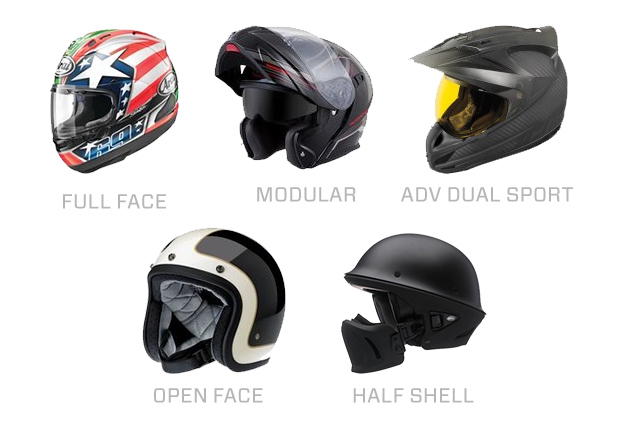
If you are comparing the types of motorcycle helmets in Kenya, the first thing to know is that not every helmet is built for the same kind of riding. Understanding the types of motorcycle helmets in Kenya helps you choose better protection for road riding, boda boda transport, highway travel, and off-road use. Some helmets are designed for maximum road protection, some for convenience in city riding, and others for off-road or mixed-surface use. That matters because in Kenya, motorcycles are used for everything from boda boda transport and courier work to highway travel and off-road riding. If you want to browse options as you read, start with motorcycle helmets in Kenya or explore the wider head protection gear in Kenya.
Helmet choice is also a real safety issue in Kenya, not just a style decision. Kenya’s Traffic (Motor Cycles) Rules require motorcycles sold or transferred in the country to come with two helmets that comply with Kenya Bureau of Standards requirements, and riders must not ride or carry a passenger without the prescribed protective gear properly fastened. A recent FIA Foundation report on Kenyan motorcycle safety also highlights the importance of helmet use and helmet quality for reducing deaths and head injuries.
Why the Types of Motorcycle Helmets in Kenya Matter
Many riders buy a helmet based on appearance, price, or comfort first. But the smarter approach is to match the helmet to how and where you ride. The types of motorcycle helmets in Kenya include full-face, flip-up, open-face, half, off-road, and dual-sport helmets because riders have different safety, airflow, and riding-style needs. In Kenya, that usually means asking practical questions such as: Are you doing short town rides, daily boda work, highway commuting, mixed tarmac and rough roads, or off-road use? Once you understand the types of motorcycle helmets in Kenya, the right helmet becomes much easier to choose.
If you are buying for everyday commuting or general road use, you can compare practical options like this Motorcycle Safety Helmet or the Adjustable Adult Motorbike Helmets. For a broader overview of helmet families, the Cardo guide to motorcycle helmet types is one of the clearest references.
Main Types of Motorcycle Helmets in Kenya
1) Full-face helmets
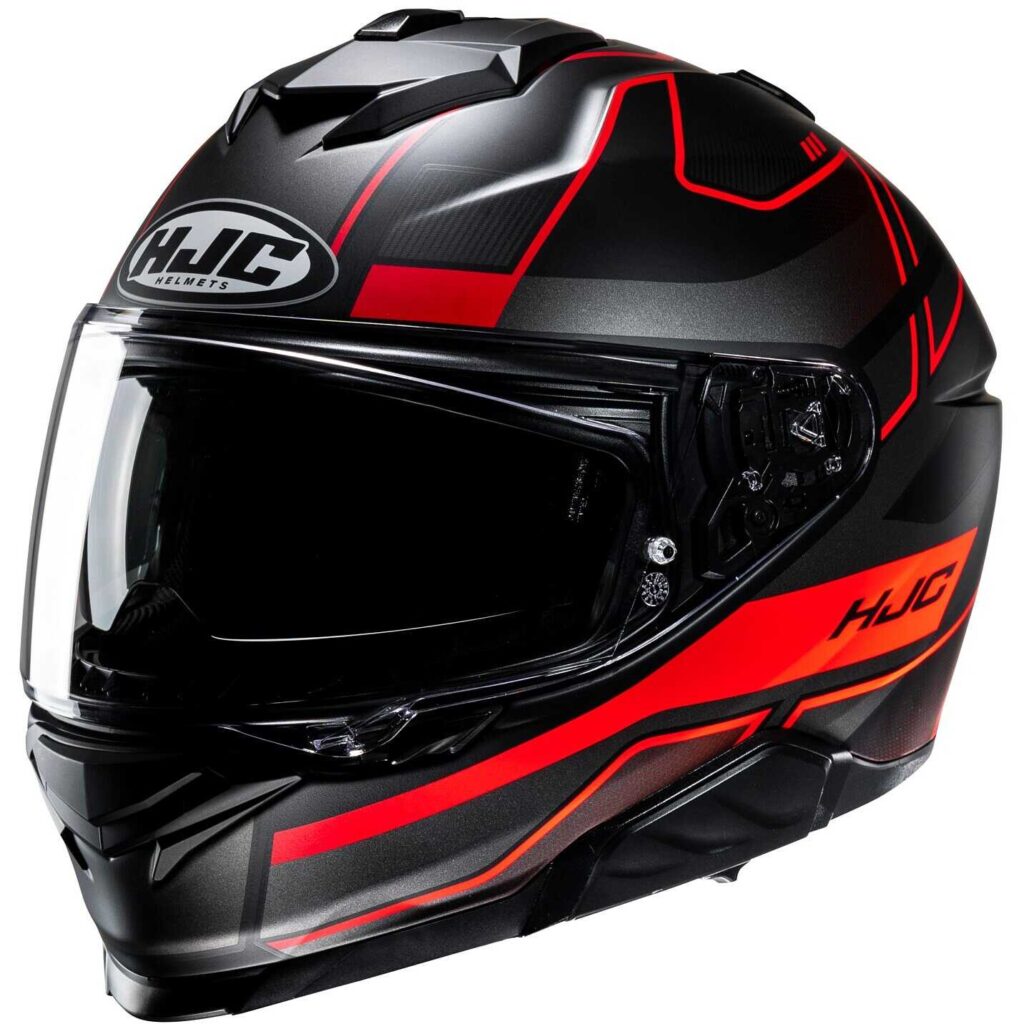
A full-face helmet covers the full head and face area, including the chin, and is widely regarded as the strongest all-round option for road riding.
Best for Kenya:
highway riding, daily commuting, boda boda riders who want maximum protection, long-distance riders, delivery riders, and general road use.
Pros:
maximum coverage, better chin protection, strong wind and debris protection, and good all-round road choice.
Cons:
can feel warmer and heavier than more open designs if ventilation is poor.
If you want a road-ready starting point, check current motorcycle helmets in Kenya. You can also compare the road-riding advantages described in this full-face helmet explainer.
2) Modular / flip-up helmets
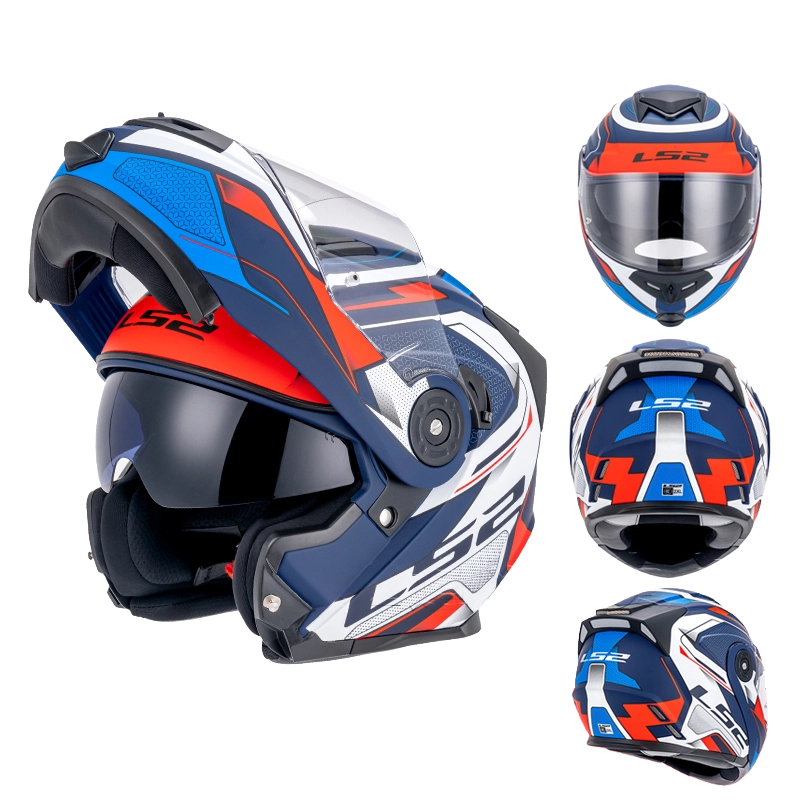
A modular helmet, also called a flip-up helmet, combines elements of full-face and open-face designs. It gives more convenience for riders who want flexibility during stops, though the hinge means it is often seen as slightly less protective than a true full-face helmet in the chin area.
Best for Kenya:
urban commuting, touring, riders who want to talk more easily during stops, and people who want convenience without moving fully to an open-face helmet.
Pros:
convenient, versatile, and easier for short stops.
Cons:
usually not as protective as a proper full-face helmet in the chin area.
A good general overview of this style appears in the Voge motorcycle helmet guide.
3) Open-face/three-quarter helmets
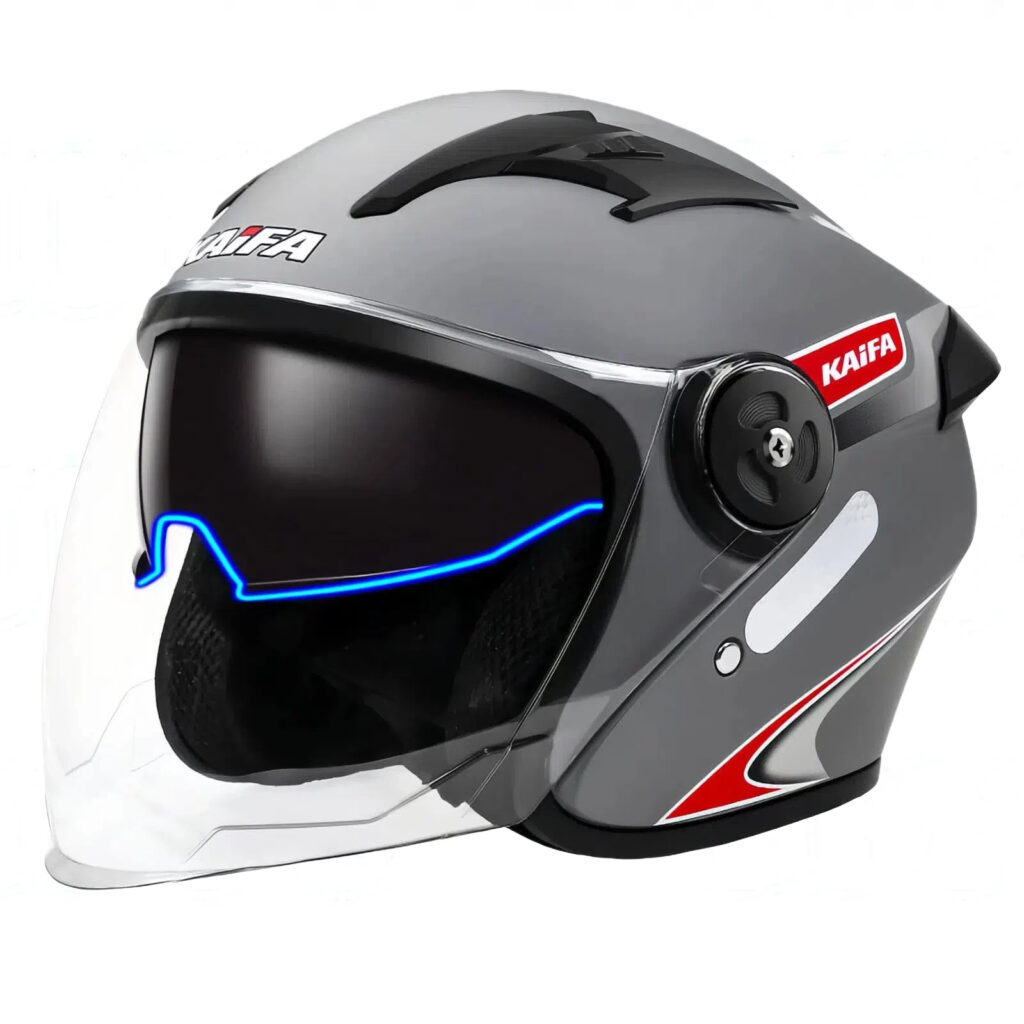
An open-face helmet covers the top, back, and sides of the head but leaves the face more exposed.
Best for in Kenya:
short-distance urban riding, slower-speed trips, and riders who prioritize airflow.
Pros:
A lighter feel, better airflow, and a more open field of view.
Cons:
less facial and chin protection than full-face or modular helmets.
Bekam currently has kids’ open-face helmet options too, such as this Kids Motorcycle Helmet Kenya. For a simple explanation of open-face and half-face categories, this motorcycle helmet styles guide is useful.
4) Half helmets
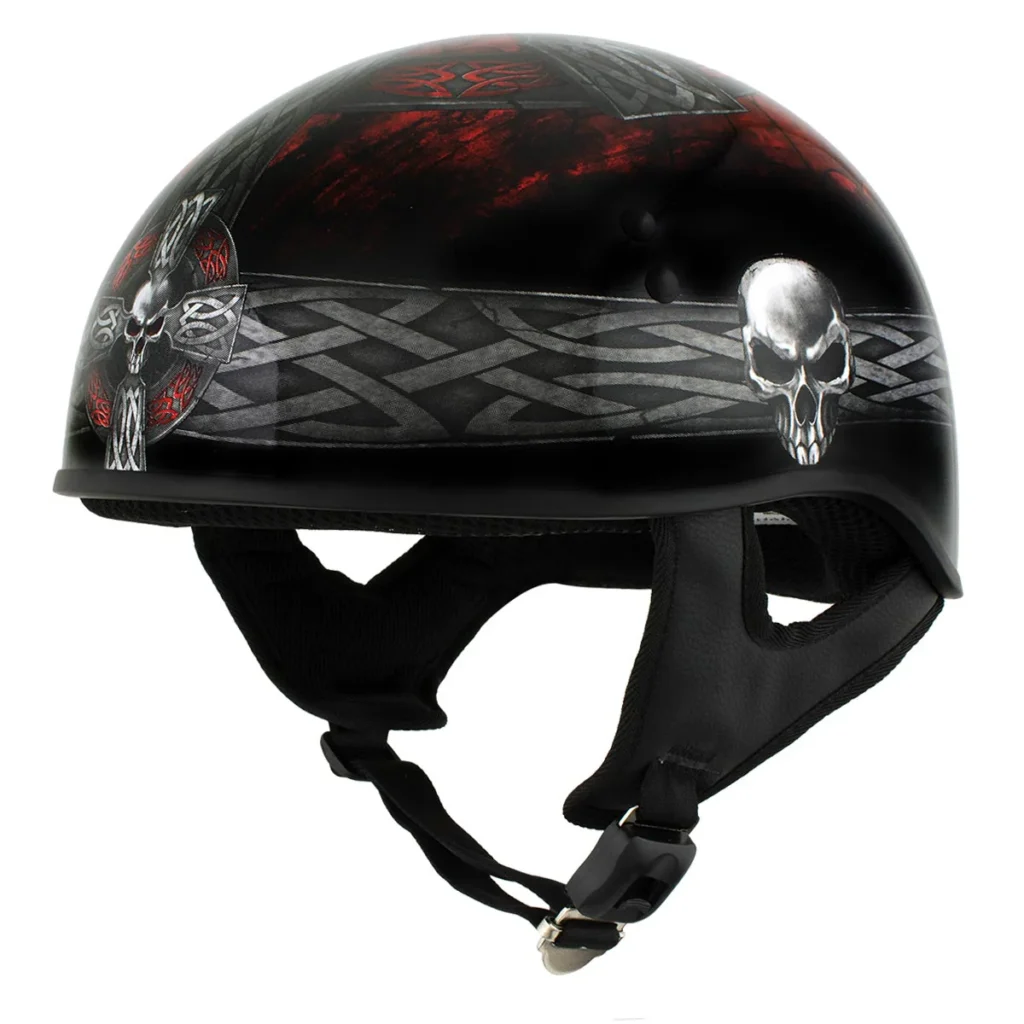
A half helmet gives the least coverage of the main motorcycle helmet families.
Best for in Kenya:
riders who prioritize airflow and minimal bulk.
Pros:
very light, high airflow, minimal bulk.
Cons:
least protection, exposed face, not ideal if your priority is maximum crash protection.
5) Off-road helmets
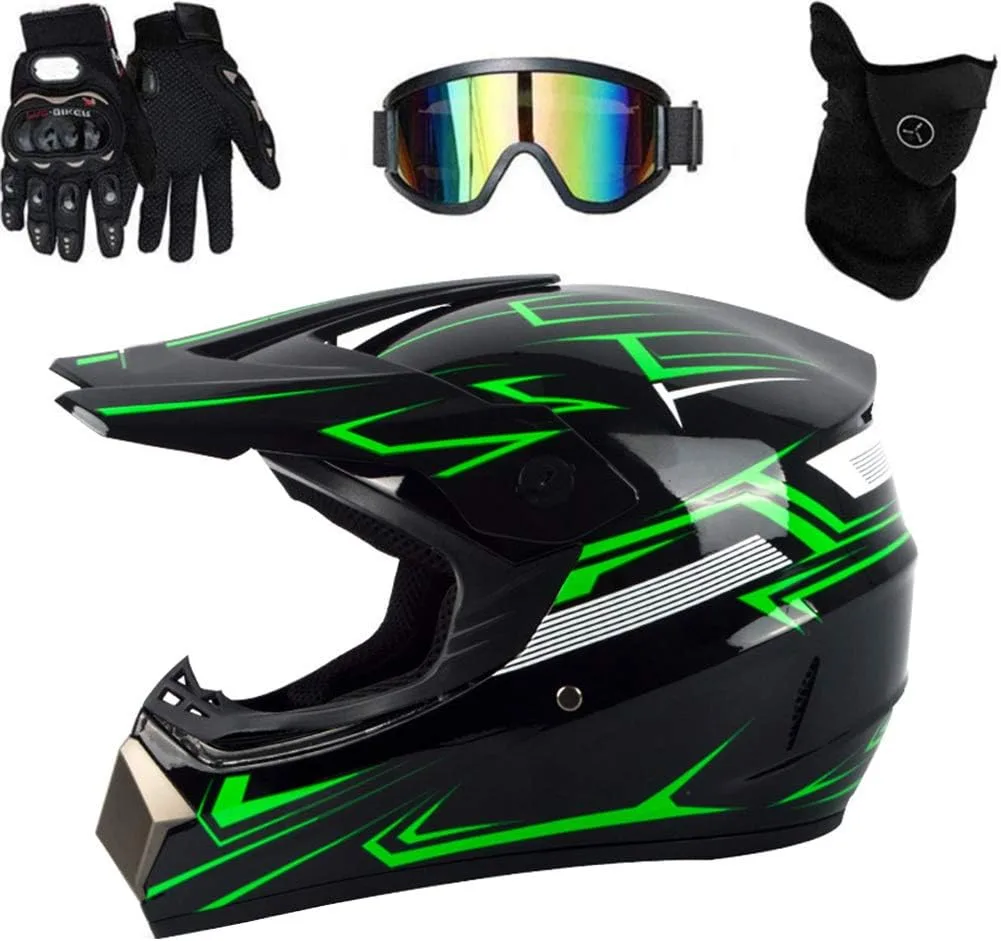
An off-road helmet is built for motocross, trail, and dirt use. These helmets are typically lighter than full-face road helmets, designed for better airflow, and usually worn with goggles.
Best for in Kenya:
trail riding, off-road riding, rough terrain, dirt riding, and sports use away from normal paved-road commuting.
Pros:
lighter build, more airflow, better suited to dusty and active riding conditions.
Cons:
not ideal as-is for all standard road use, especially if you prefer an integrated visor setup.
For off-road users, check the Complete motocross helmet set in Kenya.
6) Dual-sport helmets
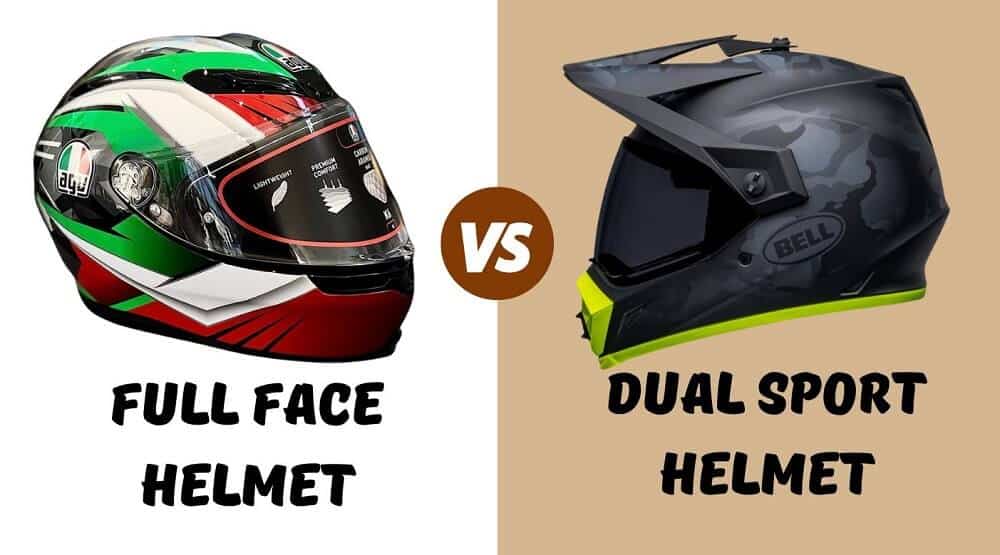
A dual-sport helmet bridges the gap between road and off-road riding. It combines more of the airflow and chin-bar design of off-road helmets with road-oriented protection and padding.
Best for in Kenya:
mixed riding, rural and peri-urban routes, riders who use both road and rough-surface routes, and adventure-style riding.
Pros:
versatile, suitable for mixed use, and stronger coverage than open-face styles.
Cons:
can be less streamlined than a pure road full-face helmet.
For a second supporting explanation, this guide to different motorcycle helmet types helps clarify the differences between road, off-road, and mixed-use helmets.
Quick Comparison of the Types of Motorcycle Helmets in Kenya
Before choosing a helmet, it helps to compare the types of motorcycle helmets in Kenya side by side. This makes it easier to see which style offers the right balance of protection, airflow, comfort, and riding suitability.
| Helmet type | Coverage level | Best for | Main trade-off |
|---|---|---|---|
| Full-face | Highest overall coverage | road, highway, boda, long-distance | can feel warmer/heavier |
| Modular / flip-up | High, but usually below full-face | city riding, touring, convenience | hinge/chin area trade-off |
| Open-face / 3-quarter | Medium | town riding, airflow-focused use | face and chin more exposed |
| Half helmet | Lowest | minimal-coverage preference | least protection |
| Off-road | High for off-road setup | trail, dirt, motocross | usually needs goggles |
| Dual-sport | High, mixed-use | road + rough roads | less streamlined than pure road helmets |
Which Motorcycle Helmet Is Best for Kenya Use Cases?
For boda boda riding, highway travel, and general road safety, a full-face helmet is usually the safest all-around recommendation because of the extra chin and face coverage. For town riders and commuters who want more convenience, a modular helmet can be a practical middle ground. For short urban trips in hot weather, some riders prefer open-face helmets, but the trade-off is less facial protection. For trail and rough-surface riding, off-road or dual-sport helmets make more sense.
How to Choose Between the Types of Motorcycle Helmets in Kenya
Once you understand the types of motorcycle helmets in Kenya, the next step is choosing the right one for your actual riding environment. The best helmet is not always the cheapest or the most stylish. It is the one that fits properly, matches your riding conditions, and gives the level of protection you need.
1) Safety standard
Choose a helmet that meets recognized safety standards and suits legal and practical use in Kenya. For a practical buyer’s view, you can refer readers to the Voge helmet selection guide.
2) Proper fit
A poorly fitting helmet can reduce both safety and comfort. Fit matters just as much as style.
3) Ventilation and comfort
A helmet that is too hot or uncomfortable is less likely to be worn consistently, especially in warmer conditions. For more on ventilation and helmet features, this helmet buying guide is a helpful reference.
4) Intended riding environment
Choose a helmet for the way you actually ride, not just the way it looks.
Common Helmet-Buying Mistakes in Kenya
A few mistakes are easy to avoid. Do not choose only by appearance. Do not assume any cheap helmet is automatically safe. Do not ignore fit. Do not buy a very open helmet if your real use is high-speed road riding. And do not overlook passenger safety.
Another mistake is failing to match the helmet to the riding style. Someone doing daily highway commuting has different protection needs from someone doing short town rides or motocross. That is another reason understanding the types of motorcycle helmets in Kenya is so important before buying.
Conclusion
Understanding the types of motorcycle helmets in Kenya helps you move beyond style and buy a helmet that actually suits your riding. Full-face helmets are generally the best all-around choice for road safety, modular helmets add convenience, open-face helmets improve airflow but leave the face more exposed, half helmets offer the least coverage, and off-road and dual-sport helmets are better suited to dirt or mixed-surface riding.
The best way to compare the types of motorcycle helmets in Kenya is to look at your real riding conditions, the level of protection you need, and how often you ride. If you are ready to compare options, start with motorcycle helmets in Kenya, browse the wider head protection gear in Kenya, or check the Complete motocross helmet set Kenya if you need an off-road option. For a broader public-safety perspective, the WHO helmet manual is also a useful external reference.
FAQs
Which motorcycle helmet is safest?
For general road use, full-face helmets are the strongest all-around choice because they protect the whole head and chin area.
Are modular helmets safe?
Yes, but they are generally described as offering slightly less chin-area protection than a true full-face helmet because of the hinge design.
Are open-face helmets good for boda riders?
They can be used for city riding and airflow, but they leave the face and chin more exposed than full-face helmets.
What helmet is best for off-road riding?
An off-road helmet or dual-sport helmet is usually the better fit for trail or mixed-terrain riding. A useful product link here is Complete motocross helmet set Kenya.
What should I check before buying a helmet in Kenya?
Check the safety standard, fit, ventilation, and whether the helmet suits your actual riding environment.
Why is it important to understand the types of motorcycle helmets in Kenya?
Understanding the types of motorcycle helmets in Kenya helps riders choose the right helmet for boda riding, commuting, highway use, and off-road riding. Each helmet type offers a different balance of protection, comfort, and airflow.

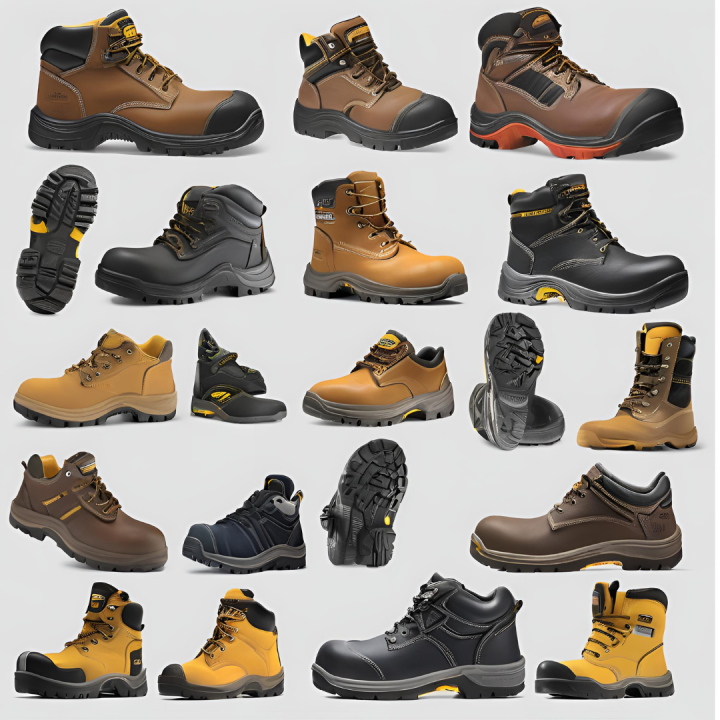
Product Gallery
Featured Products
-
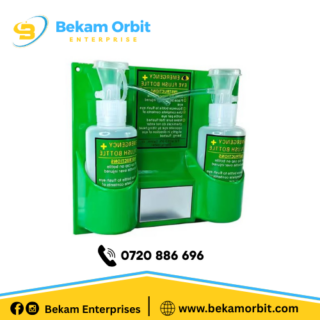 wall-mounted with 1000 ml bottles emergency eye wash station
KShs9,000.00
wall-mounted with 1000 ml bottles emergency eye wash station
KShs9,000.00
-
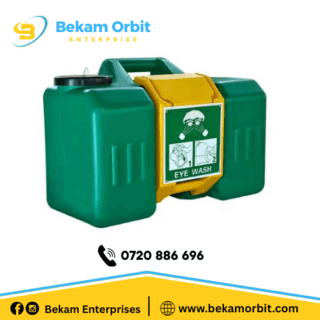 9-Gallon Gravity-Flow Portable Eye Wash Station
KShs17,000.00
9-Gallon Gravity-Flow Portable Eye Wash Station
KShs17,000.00
-
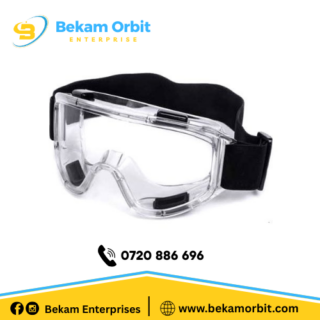 Lab Safety Goggles
KShs400.00
Lab Safety Goggles
KShs400.00
-
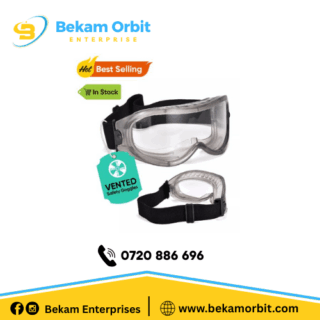 Over Glasses Safety Goggles
KShs700.00
Over Glasses Safety Goggles
KShs700.00
-
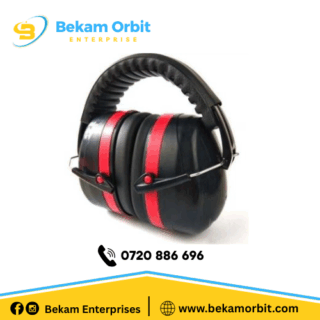 Safety Noise Cancelling Earmuffs
KShs1,300.00
Safety Noise Cancelling Earmuffs
KShs1,300.00
-
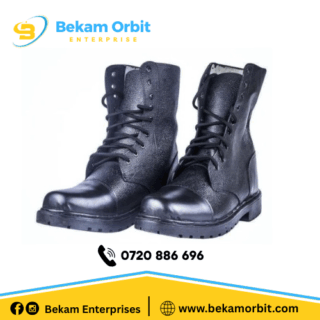 Askari Security Boots
KShs1,800.00
Askari Security Boots
KShs1,800.00
-
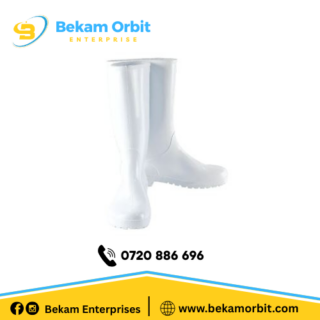 White light duty gumboots
KShs800.00
White light duty gumboots
KShs800.00
-
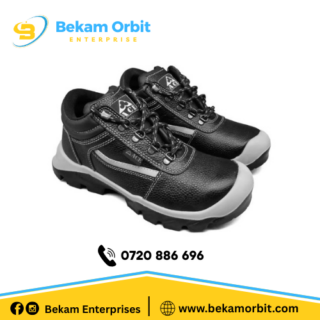 Ace Duma Safety Shoes
KShs3,100.00
Ace Duma Safety Shoes
KShs3,100.00

















Leave a Reply