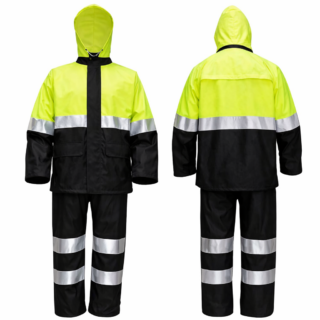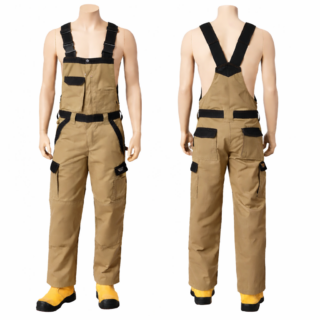
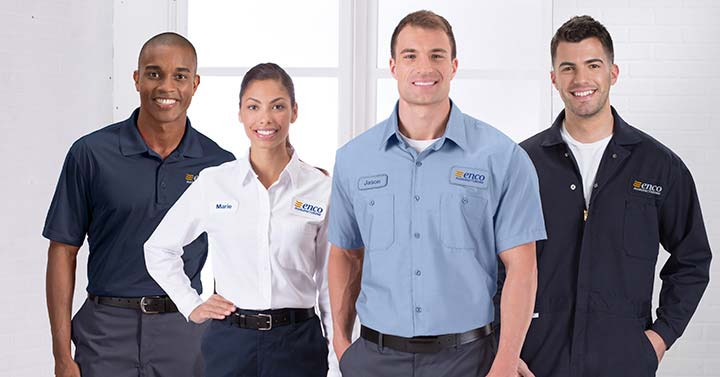
Corporate Uniforms in Nairobi: The Complete Guide to Corporate Shirts, Fabrics & Branding
If you’re buying corporate uniforms in Nairobi, the goal is simple: make your team look consistent, professional, and “on-brand”—without ending up with shirts that fade, collars that flop, or sizes that don’t fit half the team.
This guide is built to help you choose corporate shirts (and complete uniform sets) the way a procurement team should: fabric first, then weave, then branding, then repeat-order consistency.
Quick links to shop:
Start with your corporate range here: Promotional Merchandise in Nairobi, Kenya
Office shirts & trousers category: Shirts & Trousers
Smart casual teamwear: Corporate T-Shirts
Field + office hybrid uniform option: Safari Uniforms
Why corporate uniforms matter (especially in Nairobi)
In Nairobi’s market, uniforms don’t just “dress staff”—they sell trust. Customers read uniforms as:
professional standards
service quality
company stability
team discipline
When your corporate shirts fit well, hold color, and match brand guidelines, you reduce the everyday friction (complaints, replacement cycles, and “everyone looks different” problems).
Corporate uniform checklist (the 60-second decision guide)
Before you buy, confirm these 7 items:
Where is the uniform used? office/showroom/field/hospitality/logistics
What’s your heat + movement level? (Nairobi days can be warm; field teams sweat more)
Do you need easy-care? (wrinkle resistance + machine wash)
Do colors have to stay exact for repeat orders?
Branding method: embroidery, screen print, heat transfer
Sizing method: measurement list vs sample fitting day
Reorder plan: same fabric, same dye lot approach, same logo placement specs
Corporate shirts in Kenya: the part most suppliers oversimplify
Most sellers just say “cotton” and stop there. But corporate shirts depend on two things:
1) Fabric composition (what fibers it’s made of)
100% cotton → soft, breathable, classic
cotton/poly blends (polycotton) → easier care, often more wrinkle-resistant
polyester → strong, quick-drying, wrinkle-resistant, holds color well (but breathability can vary)
Cotton is widely used for shirts because it’s soft, comfortable, durable, and breathable (Apposta)
Polyester is widely used and valued for its lightweight, wrinkle-resistant, quick-drying, moisture-wicking, and color-retaining properties. (Printful)
2) Fabric weave (how it’s woven)
Even with “100% cotton,” the weave can make the shirt look crisp or casual, thick or light, formal or relaxed.
Poplin vs Oxford vs Twill (best weaves for corporate shirts)
If you want corporate shirts that look “executive,” don’t ignore weave.
Oxford weave (smart casual to semi-formal)
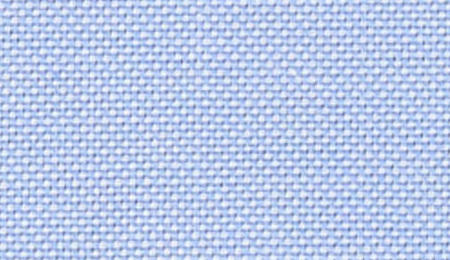
Oxford has a textured finish and can work for both casual and formal shirts, depending on the type. (Apposta)
Best for: customer-facing teams, everyday office wear, brand polos/shirts mix
Look/feel: slightly textured, “premium casual,” strong structure
Poplin weave (clean, crisp, formal)
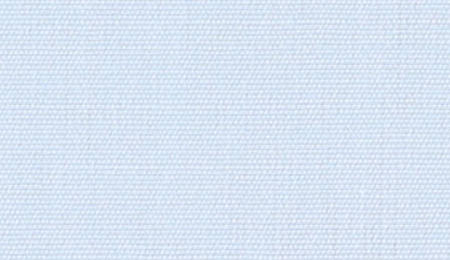
Poplin is a plain-weave fabric commonly described as wrinkle-resistant, soft, durable, and breathable.
Best for: front office, corporate reception, sales teams, executives
Look/feel: smooth, sharp, clean finish (photographs well)
Twill weave (structured, premium, hides wrinkles better)
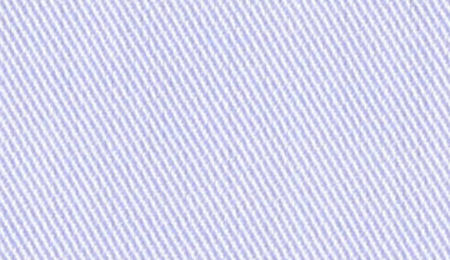
Twill has a diagonal rib pattern that gives a thicker feel and structured appearance.
And in twill shirts specifically, the diagonal weave can make the fabric thicker/less transparent, while improving durability and wrinkle resistance.
Best for: executives, frequent travel, teams that need “always neat” shirts
Look/feel: premium texture, stronger drape, often feels more substantial
Simple Nairobi recommendation:
Hot office + very formal → poplin
Everyday corporate (formal + casual mix) → Oxford
Premium corporate shirts + reduced wrinkling → twill
What fabric should you pick for corporate uniforms in Nairobi?
1) 100% cotton: best for comfort-first teams
Cotton is breathable and comfortable, which makes it excellent for long office days.
Choose cotton if:
Your team works most of the day indoors
Comfort and breathability is priority
You want a classic “premium shirt” feel
Watch-outs:
can wrinkle more depending on the weave and finishing
needs consistent care standards if you want everyone to look sharp
2) Poly-cotton blends (common in Kenya corporate supply)
Many local corporate shirts use blends like 70% cotton / 30% polyester because they target easy-care performance (wrinkle resistance, wash durability).
Choose polycotton if:
you need easy care + reduced wrinkles
You’re buying for teams that won’t iron perfectly every day
You want durability for frequent washing (large teams)
3) Polyester (or high-poly blends): best for performance + color holding
Polyester is widely used worldwide and is known for its wrinkle resistance, quick drying, moisture-wicking, durability, and good color retention.
It’s also extremely common in the global fiber market (Textile Exchange notes that polyester is the most widely produced fiber, and provides recent global share figures). (Textile Exchange)
Choose polyester/blends if:
Uniforms are washed very frequently
You want strong color consistency across repeated washing
Your team needs quick-dry performance (logistics, activations, outdoor marketing)
Corporate uniform sets that work best in Kenya (by department)
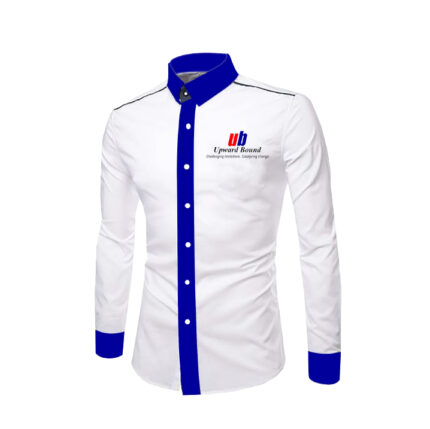
Here are uniform “bundles” that actually make sense for Kenyan companies:
Front office/reception/sales
Poplin or twill corporate shirts
tailored trousers/skirts
optional blazer / waistcoat
subtle embroidery logo (left chest) + name option
Operations/warehouse admin/dispatch office
Oxford or polycotton shirts
tough trousers
branded polo option for hot days
optional light jacket for early mornings
Field teams/supervisors/site visits
Safari uniform set (very Kenya-friendly)
breathable shirts with strong stitching
embroidery preferred (more durable than most prints)
Explore field-friendly options here: Safari Uniforms
Promotions/activations/merch
branded t-shirts, polos, caps, and add-ons
Build your full set here: Promotional Merchandise in Nairobi, Kenya
Embroidery vs printing for corporate shirts (what to choose)
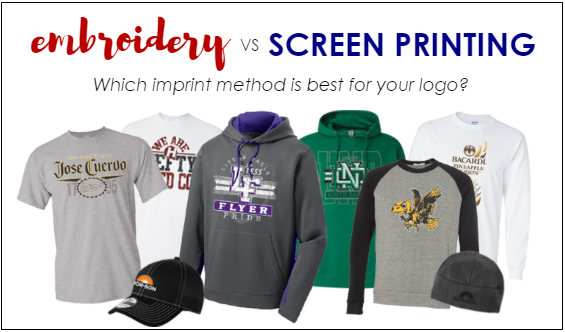
Embroidery
Best for: premium corporate shirts, long-term uniforms, executive looks
Pros: durable, high-end finish, survives repeated wash cycles
Cons: can feel heavier on very light fabrics, fine details need proper digitizing
Screen printing
Best for: large batches (events, promotions), t-shirts
Pros: cost-effective for bulk, strong color blocks
Cons: may crack/fade depending on ink + care
Heat transfer / DTF
Best for: detailed logos, gradients, short runs
Pros: very detailed, fast turnaround
Cons: durability depends on film quality and wash care
If your goal is corporate shirts that stay smart for months, embroidery usually wins.
How to avoid the #1 Nairobi corporate uniform problem: inconsistent repeat orders
Most companies don’t fail at “first order.” They fail at repeat orders.
Do these 5 things, and your future orders stay consistent:
Save your fabric spec (e.g., poplin cotton, Oxford polycotton, twill blend)
Save color codes (brand references + physical sample swatch)
Fix logo placement rules (left chest size, distance from placket, sleeve option)
Fix thread color rules for embroidery
Keep a master size list + how you collected it (samples vs measurement day)
Sizing: how to get it right for teams (without wasting budget)
For bulk corporate uniforms in Nairobi, the clean approach is:
Option A: “Sample fitting day” (best for accuracy)
Bring 1–2 samples per size range
Staff try-on
Confirm fit before branding
Option B: “Measurement list” (best for distributed teams)
Issue a measurement guide
Collect chest/neck/waist + preferred fit
Approve one “golden sample” before full production
Pro tip: decide if your company standard is slim, regular, or relaxed—otherwise, every department orders differently.
Care & maintenance (so uniforms keep looking corporate)
If you want corporate uniforms to stay sharp:
wash by color group (don’t mix darks and whites)
Avoid harsh bleaching unless the fabric spec allows
Turn shirts inside out to protect branding
moderate heat ironing (and avoid ironing directly on prints)
Polyester’s wrinkle resistance and quick-drying nature can reduce the “daily ironing struggle” for teams.
Where to start shopping on your site
If you’re building your corporate range for Nairobi buyers, structure it so the buyer can quickly choose:
Corporate / office shirts and trousers: Shirts & Trousers
Smart casual branded option: Corporate T-Shirts
Field-ready corporate set: Safari Uniforms
Corporate merch & add-ons (caps, tees, branded items): Promotional Merchandise in Nairobi, Kenya
FAQs
1) What is the best fabric for corporate shirts in Kenya?
For a balance of comfort and easy care, many buyers choose cotton or cotton/poly blends. Cotton is breathable and comfortable, while polyester blends can add wrinkle resistance and faster drying.
2) Poplin vs Oxford vs twill—what’s best for office shirts?
Poplin: crisp, formal look
Oxford: textured, versatile smart-casual-to-formal
Twill: thicker, structured, often better wrinkle performance
3) Are polycotton corporate shirts good for teams?
Yes—especially for large teams—because blends are often chosen for easy care.
4) What branding lasts longest on corporate uniforms?
For corporate shirts, embroidery typically lasts longest and looks premium. Printing is great for tees and events; the best method depends on fabric + use case.
5) How do I reduce uniform replacement costs?
Choose the right weave, confirm sizing before branding, and standardize your care instructions so everyone maintains the same “corporate look.”


Product Gallery
Featured Products
-
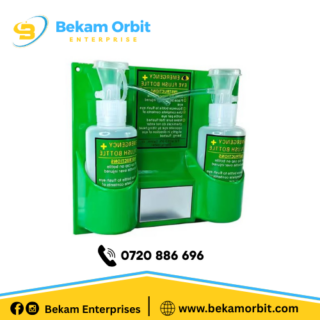
 wall-mounted with 1000 ml bottles emergency eye wash station
KSh9,000.00
wall-mounted with 1000 ml bottles emergency eye wash station
KSh9,000.00 -
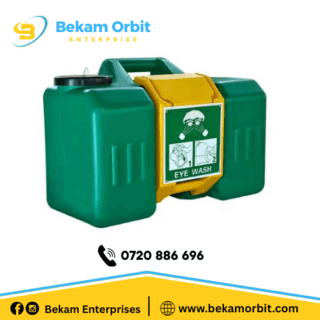
9-Gallon Gravity-Flow Portable Eye Wash Station
KSh17,000.00
-
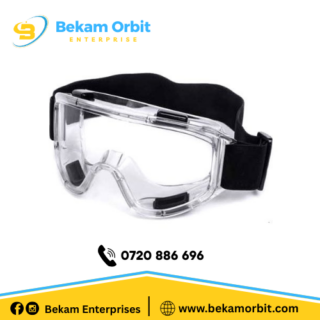
Lab Safety Goggles
KSh400.00
-
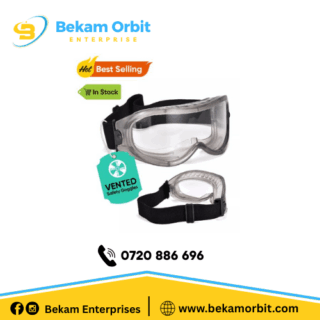
Over Glasses Safety Goggles
KSh700.00
-
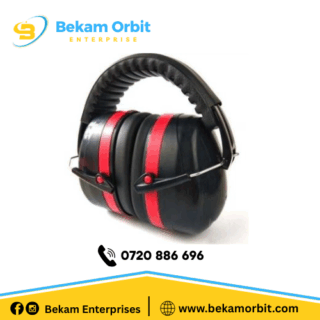
Safety Noise Cancelling Earmuffs
KSh1,300.00
-
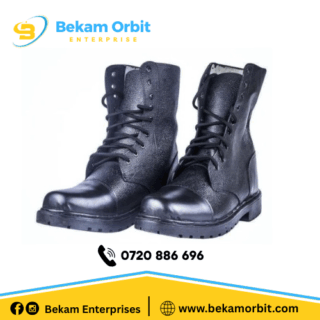
Askari Security Boots
KSh1,800.00
-
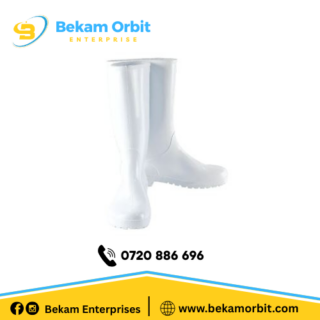
White light duty gumboots
KSh800.00
-
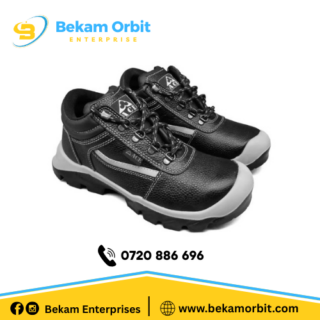
Ace Duma Safety Shoes
KSh3,100.00