
Recently Viewed Products
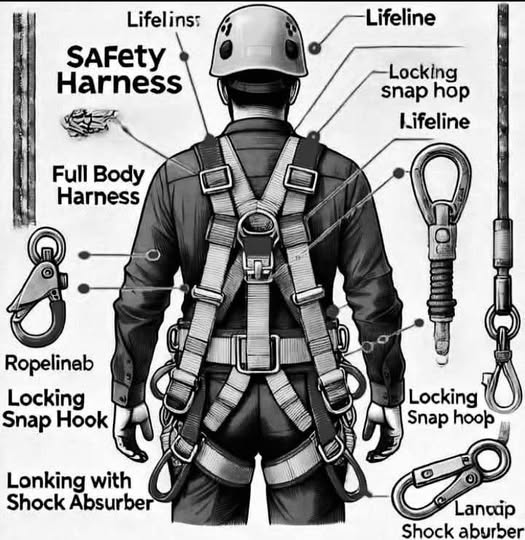
Safety Harness Types in Kenya: 1-Point to 5-Point Harnesses, Standards, and How to Choose for Every Job at Height
If you’re researching safety harness types in Kenya, you’re probably trying to answer a practical question, fast:
-
Where do I clip in—back, chest, waist, or seat?
-
Will this harness work for tower climbing, roofing, scaffold work, or work positioning?
-
Is it a true fall arrest harness—or just a positioning setup?
This guide is Kenya-focused (real-world site use cases, procurement language, and standards). It starts with point classifications (1–5), then expands into other harness types, and finally shows which standards match which jobs—so your team buys the right system the first time.
For shopping while you read, browse your full PPE range here: Browse PPEs in Nairobi & Kenya.
Why “points” matter in safety harness types in Kenya (and why many people get it wrong)
When buyers ask for a 1-point harness, 2-point harness, or 5-point safety harness, they’re usually mixing two different meanings:
-
Attachment points (D-rings / loops you clip to)
-
Adjustment points (where you tighten for fit: legs, shoulders, chest, waist)
That’s why “5-point” causes the most confusion. Many manufacturers use “5-point” as a fit/adjustment description—not a universal technical category. (WorkSafe GEAR Australia)
Buyer clarity tip: Treat “points” as clip-in points first. After that, remember “5-point” may refer to adjusters for fit, not extra D-rings—so always confirm the harness has the attachment points your job requires (dorsal, sternal, side rings, and ventral/seat where needed).
Working at height basics before choosing safety harness types in Kenya
A harness is part of a system—not the first control. Good work-at-height planning follows a hierarchy:
-
Avoid work at height where possible
-
Prevent falls using platforms/guardrails/controls
-
Reduce the distance and consequences of a fall if one occurs (HSE)
Where fall protection is required, regulators typically outline acceptable approaches such as guardrails, safety nets, or personal fall arrest systems (PFAS), depending on the task and risk.
Kenya’s compliance angle that helps conversions
Under Kenya’s OSH framework, workplaces must maintain safety systems and records—including safety and health audits at least once every twelve months (and keep reports available for inspection). (Natlex)
(Always confirm site obligations with your safety advisor / DOSHS requirements for your specific workplace setup.)
Harness anatomy in safety harness types in Kenya: the attachment points you’ll see on real worksites
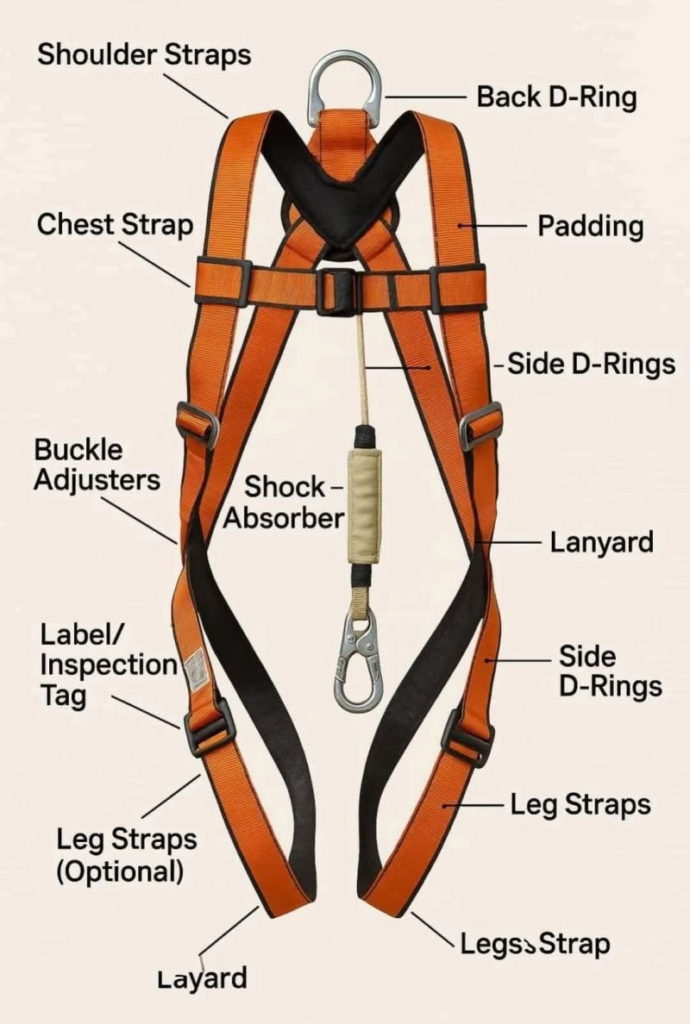
Harness anatomy
Most safety harness types in Kenya are classified by which of these attachment points are present:
-
Dorsal (back): between the shoulder blades; the most common fall arrest connection point
-
Sternal (front/chest): front connection used on some systems (climbing, certain rescue workflows, system-dependent)
-
Side (waist) D-rings: typically work positioning (hands-free support) when used with the correct lanyard/belt system
-
Ventral/seat (low front): common for rope access / sit positioning/suspension setups
Critical clarity: side/ventral points are usually not your default fall-arrest point. Always follow the harness instructions and system design (anchors, connectors, clearances, rescue plan).
Safety harness types in Kenya by point classification (1-point to 5-point)
Below is a Kenya-friendly way to explain point classes based on attachment points (the way buyers and procurement teams usually mean it). “Point naming” varies by brand, but this structure matches common catalog language on harness types. (SafetyLiftinGear)
| Point class | Typical attachment points | Best for (Kenya use cases) | What to watch |
|---|---|---|---|
| 1-point harness | Dorsal only | Basic fall arrest on scaffolds/edges where front connection isn’t needed | Least versatile for climbing/positioning tasks |
| 2-point harness | Dorsal + sternal | Fall arrest + better flexibility for ladder/tower behavior on some systems | Confirm front point type (D-ring vs textile loops) & intended use |
| 3-point harness | Dorsal + two side waist | Fall arrest + work positioning support | Side rings are usually positioning, not primary arrest |
| 4-point harness | Dorsal + sternal + two side waist | Tower/telecom/utilities + scaffold crews doing mixed tasks | Must be paired with correct lanyards/rope grabs/anchors |
| 5-point safety harness | Often dorsal + sternal + two side + one ventral/seat (or manufacturer-specific) | Advanced: arrest + positioning + suspension/rope access | “5-point” may refer to adjusters—confirm before buying (WorkSafe GEAR Australia) |
1 point harness in safety harness types in Kenya (dorsal-only)
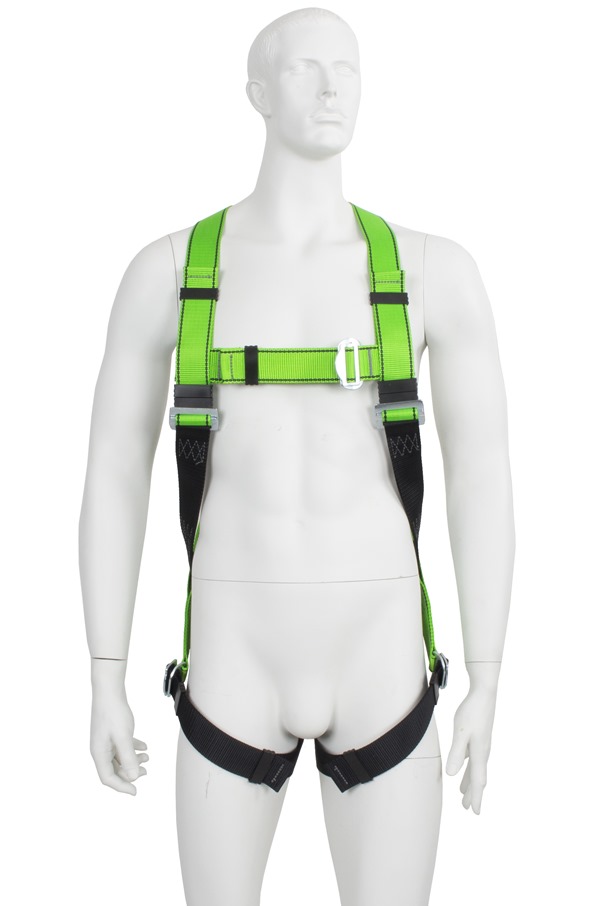
A 1 point harness has one main attachment point at the back (dorsal). It’s the simplest fall-arrest style and is popular because it’s easy to issue to teams and harder to misuse.
When it makes sense in Kenya
-
Straightforward scaffold/edge work (basic fall arrest)
-
Teams that want simple donning with fewer clip-in options
Limitations
-
Less flexible for climbing systems or work positioning
If you want a complete, ready-to-go kit for general work at height, link readers here:
See the Fall Protection Kit (Comfy II Harness + Twin-Leg Lanyard + Rope Grab)
2 point harness in safety harness types in Kenya (dorsal + sternal)
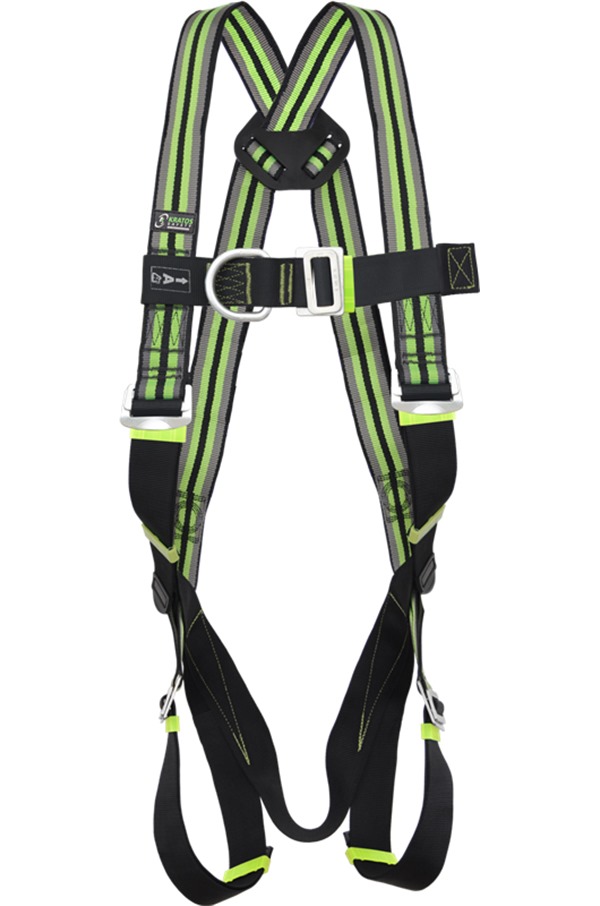
A 2-point harness adds a front (sternal) attachment to the dorsal point, giving more options depending on the system used.
Why Kenyan buyers choose it
-
Some ladder/tower workflows prefer or allow a front connection depending on equipment setup
-
Better versatility without jumping to multi-purpose harnesses (SafetyLiftinGear)
Buyer tip (reduces returns):
Ask where the front attachment is (metal D-ring vs textile loops) and what it’s intended for (fall arrest vs climbing vs rescue), then match it to the lanyard/rope grab/SRL system you’ll actually use.
3 point harness in safety harness types in Kenya (dorsal + two waist points)
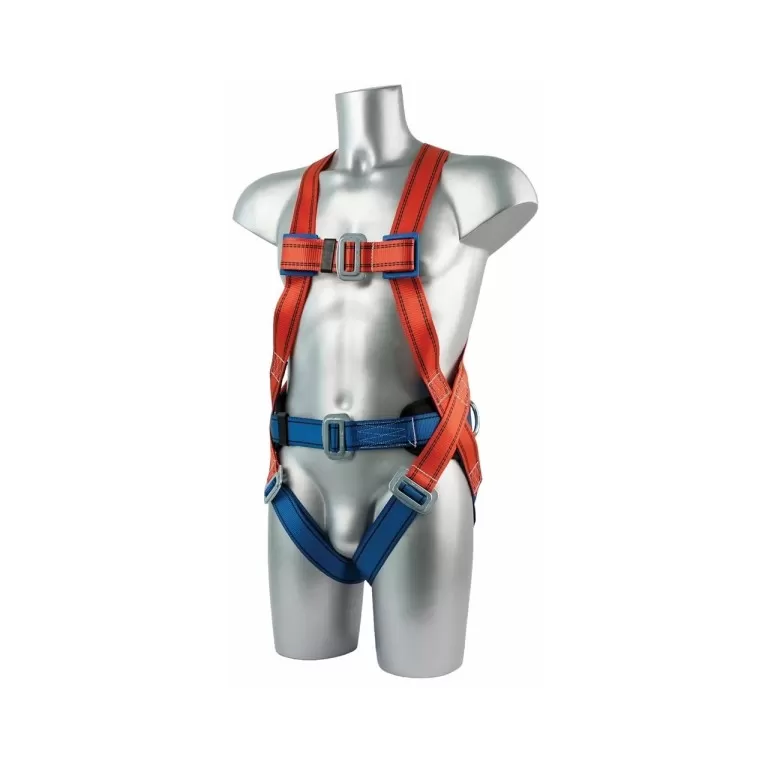
A “3 point harness” (as many buyers mean it) often includes side waist D-rings to support work positioning.
Where it wins in Kenya
-
Maintenance crews are doing frequent hands-free positioning
-
Light tower/pole work support (when used with the correct positioning lanyard systems)
Key safety clarity:
Side D-rings are typically for work positioning, not your main fall arrest point. Many manufacturers’ instructions warn against using a single-sided ring as the primary arrest connection. (Safety Harness Direct)
For positioning components,check:
Shop Work Positioning Waist Belts
4 point harness in safety harness types in Kenya (dorsal + sternal + two waist points)
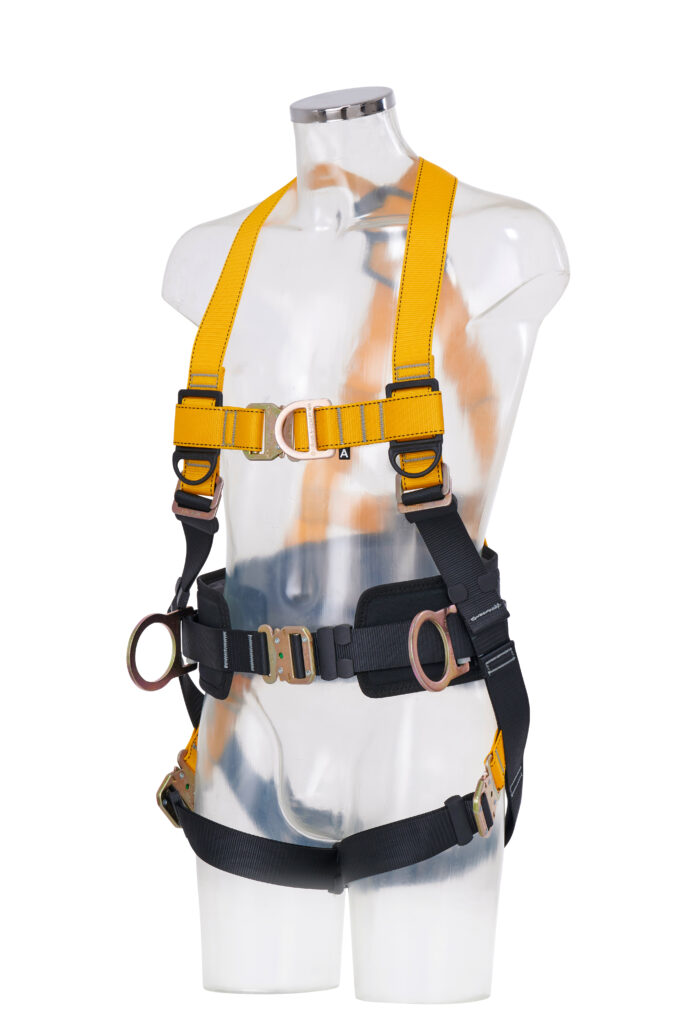
4 point harness in safety harness
For many teams in Kenya comparing safety harness types, the 4-point configuration is the best “all-rounder” because it supports a range of tasks.
Common Kenya use cases
-
Telecom tower climbing + positioning while hands are working
-
Utilities, structural maintenance, scaffolding crews that reposition often
If you want a strong “tower + positioning + fall arrest” use:
Explore the Red Comfort II 4-Point Safety Harness
5 point safety harness in safety harness types in Kenya (explain it the right way for SEO + buyer clarity)
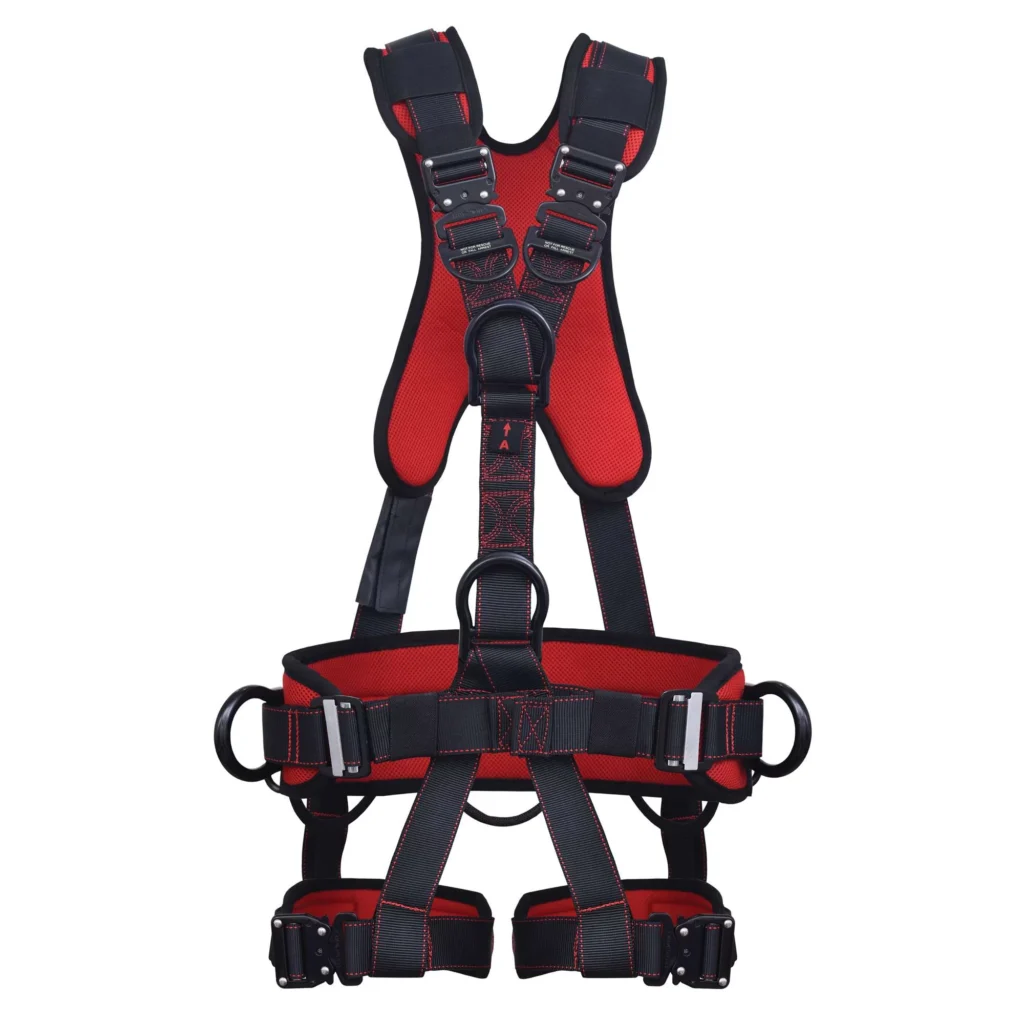
Here’s the simple truth you need before you buy in Kenya:
1) “5-point” may mean five adjustment points
Many harnesses are marketed as “5-point” because they have five key adjustment zones for fit (legs/torso/chest/waist, brand-dependent). This is common in manufacturer and retailer explanations.
2) “5-point” may mean five attachment points
Other brands use “5-point” to mean five attachment locations (commonly dorsal, sternal, two sides, and one ventral/seat). You’ll see this phrasing in some harness categories and product groupings. (liftinggear-shop.com)
A 5 point safety harness can mean either five adjustment points for fit or five attachment points for multi-task work—so the best way to choose is to confirm the harness has the specific D-rings you need: dorsal (rear), sternal (front), side positioning rings, and a low ventral/seat point when rope access or suspension is required. (WorkSafe GEAR Australia)
Other safety harness types in Kenya that buyers search for (beyond points)
Fall arrest harness (full body harness Kenya)
This is the core fall-arrest harness class. In many markets, it aligns to EN 361, and in the US standard family, it aligns to ANSI/ASSP Z359.11.
Work positioning harness/belt systems (work positioning harness)
Work positioning often involves waist- or side-mounted D-rings and systems commonly aligned to EN 358 (belts/lanyards for restraint/work positioning).
Rope access / sit harness systems
Sit harnesses are used where a low attachment point is needed for rope access and positioning. But sit harnesses are not suitable for fall arrest on their own (they must be used within a complete fall protection system when fall risk exists). (iTeh Standards)
Rescue / confined space harness systems
Rescue configurations often require harness features designed for retrieval/rescue use, and product specs may reference EN 1497 depending on design and intended use (always verify spec sheets for the exact model).
Standards that matter for safety harness types in Kenya (and which jobs they match)
The standards families buyers commonly see
-
EN 361 – fall arrest harness (full body)
-
EN 358 – work positioning / restraint belts & lanyards
-
EN 813 – sit harnesses (rope access/positioning) not for fall arrest alone
-
ANSI/ASSP Z359.11 – full body harness requirements (Z359 family)
Job-to-standard cheat sheet for Kenya
| Job type in Kenya | Harness “point” style that often fits | Standards to ask for (typical) | Best-practice add-ons |
|---|---|---|---|
| Construction (scaffolds/edges) | 1-point or 2-point minimum | EN 361 harness + compatible connectors/anchors | Shock-absorbing lanyard or SRL; verified anchor |
| Telecom/tower climbing | 4-point often ideal | EN 361 + EN 358 capability (positioning) | Rope grab/positioning lanyard; documented rescue plan |
| Roofing & maintenance | 2-point or 4-point | EN 361 + correct anchor system | SRL can reduce free-fall distance |
| Rope access/façade work | “5-point” when ventral is needed + backup | EN 813 for sit function + fall arrest backup | Two-system approach (work line + safety line) |
| Rescue / confined space retrieval | Multi-point + rescue features | Verify EN 1497 (where applicable) + system compatibility | Pre-planned rescue method & equipment |
For anchors check:
See EN 795 Webbing Anchorage Sling Options
How to choose safety harness types in Kenya without guessing (buyer checklist)
When you’re selecting safety harness types in Kenya, use this simple checklist:
-
Define the job: fall arrest only, or fall arrest + positioning, or rope access/suspension
-
Confirm attachment points needed: dorsal only? dorsal + sternal? side rings? ventral/seat?
-
Match standards to application: EN 361 (arrest), EN 358 (positioning), EN 813 (sit/rope access)
-
Check compatibility: lanyard type, rope grab type, SRL, anchor connector, clearance
-
Plan rescue before work starts: A rescue plan is part of competent work-at-height management
-
Train users: donning, fitting, correct clip-in points, inspections, storage
Fit, inspection, and replacement for safety harness types in Kenya
A harness can be certified and still fail in real life if it’s worn loose, clipped wrong, or used after damage.
Daily pre-use checks
-
Labels/markings readable; instructions available
-
Webbing: cuts, burns, frays, chemical damage
-
Stitching: pulled threads at load points
-
Hardware: corrosion, deformation, cracks
-
Buckles: function smoothly; lock correctly
Replacement rule of thumb
If a harness has arrested a fall, remove it from service and follow the manufacturer’s guidance on retirement and inspection.
Also, don’t ignore rescue planning—suspension after a fall is a real hazard, which is why safety guidance emphasizes rescue procedures and prompt retrieval.
FAQs: safety harness types in Kenya
1) What is the difference between a 1 point harness and a 2 point harness?
A 1 point harness typically has a dorsal (back) attachment only. A 2 point harness adds a sternal (front/chest) attachment for more flexibility depending on the system used.
2) What does a 5 point safety harness mean in Kenya?
A 5 point safety harness can mean five adjustment points for fit or five attachment points for multi-task work. Confirm the harness has the D-rings you need (dorsal, sternal, side rings, and ventral/seat where required).
3) Is a sit harness (EN 813) the same as a fall arrest harness?
No. EN 813 sit harnesses are for restraint, work positioning, and rope access systems where a low attachment is needed; they are not suitable for fall arrest on their own.
4) Which safety harness types in Kenya are best for tower climbing?
Tower work often benefits from a multi-point harness (commonly 4-point) that supports fall arrest and work positioning, combined with the correct lanyards/rope grabs and a rescue plan.
5) What should employers in Kenya do beyond buying harnesses?
Beyond PPE, employers should do a proper work-at-height risk assessment, train users, inspect/maintain equipment, and maintain safety systems and audit compliance as required under Kenya’s OSH framework.



Product Gallery


Featured Products
-
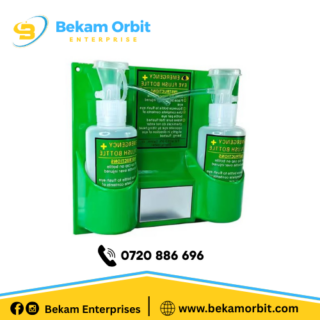 wall-mounted with 1000 ml bottles emergency eye wash station
KShs9,000.00
wall-mounted with 1000 ml bottles emergency eye wash station
KShs9,000.00
-
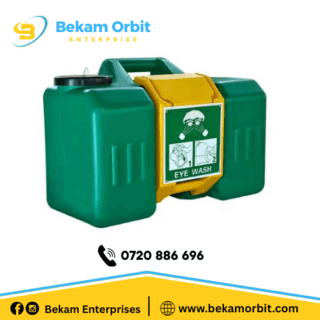 9-Gallon Gravity-Flow Portable Eye Wash Station
KShs17,000.00
9-Gallon Gravity-Flow Portable Eye Wash Station
KShs17,000.00
-
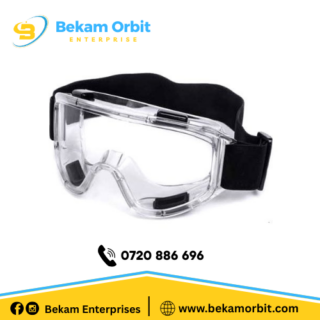 Lab Safety Goggles
KShs400.00
Lab Safety Goggles
KShs400.00
-
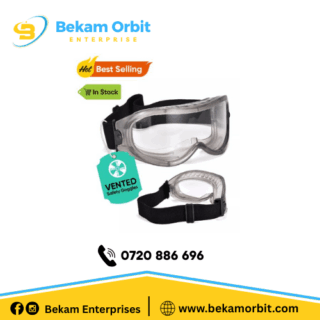 Over Glasses Safety Goggles
KShs700.00
Over Glasses Safety Goggles
KShs700.00
-
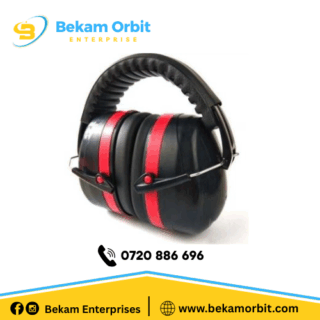 Safety Noise Cancelling Earmuffs
KShs1,300.00
Safety Noise Cancelling Earmuffs
KShs1,300.00
-
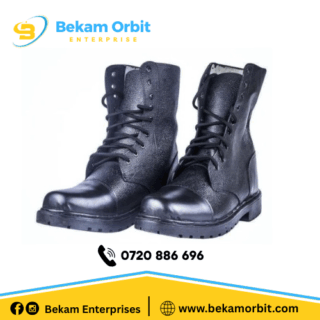 Askari Security Boots
KShs1,800.00
Askari Security Boots
KShs1,800.00
-
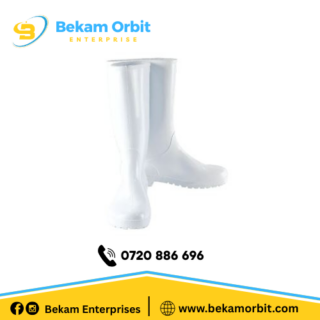 White light duty gumboots
KShs800.00
White light duty gumboots
KShs800.00
-
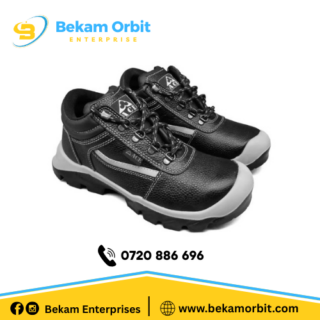 Ace Duma Safety Shoes
KShs3,100.00
Ace Duma Safety Shoes
KShs3,100.00



















Leave a Reply